Booster Shots

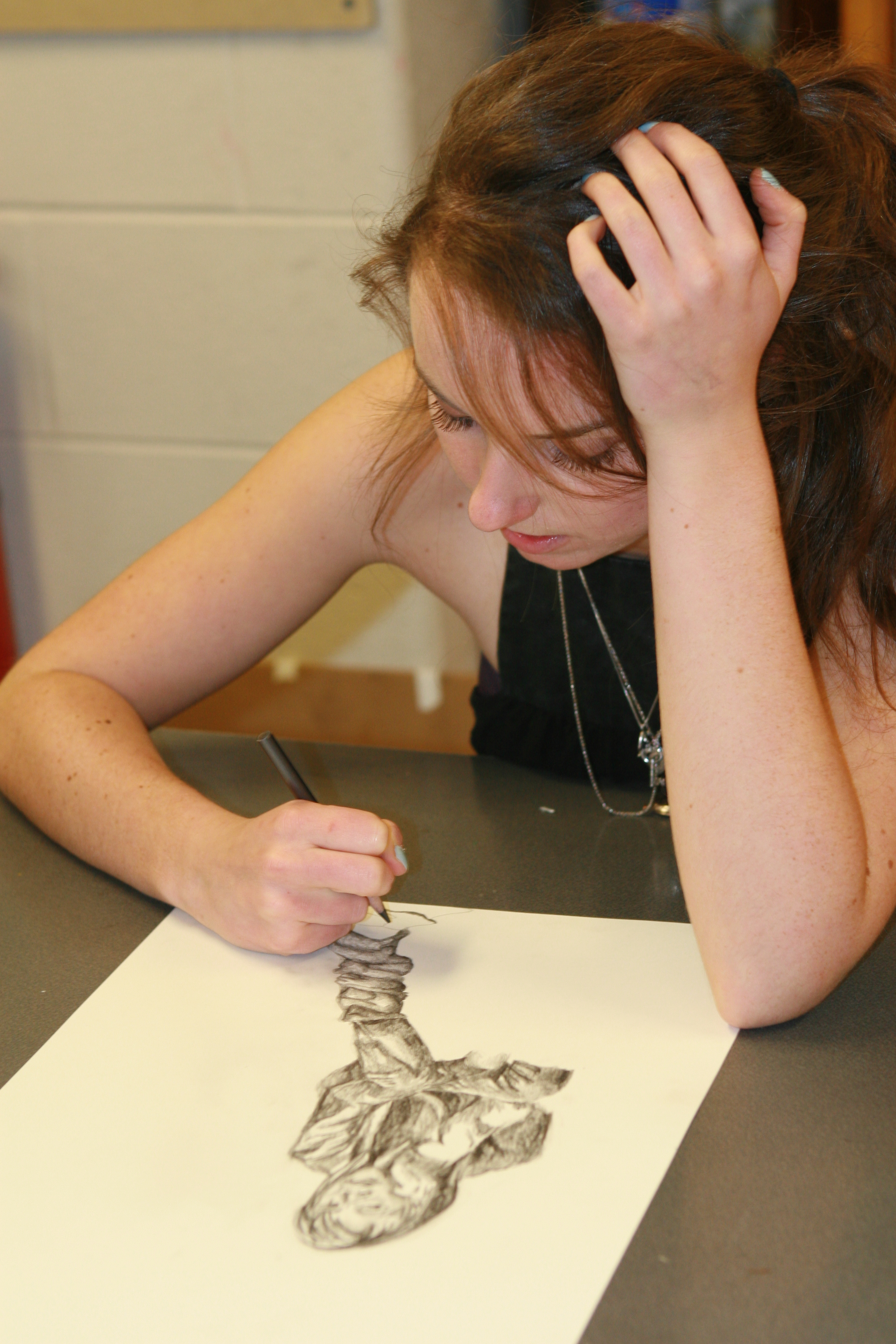
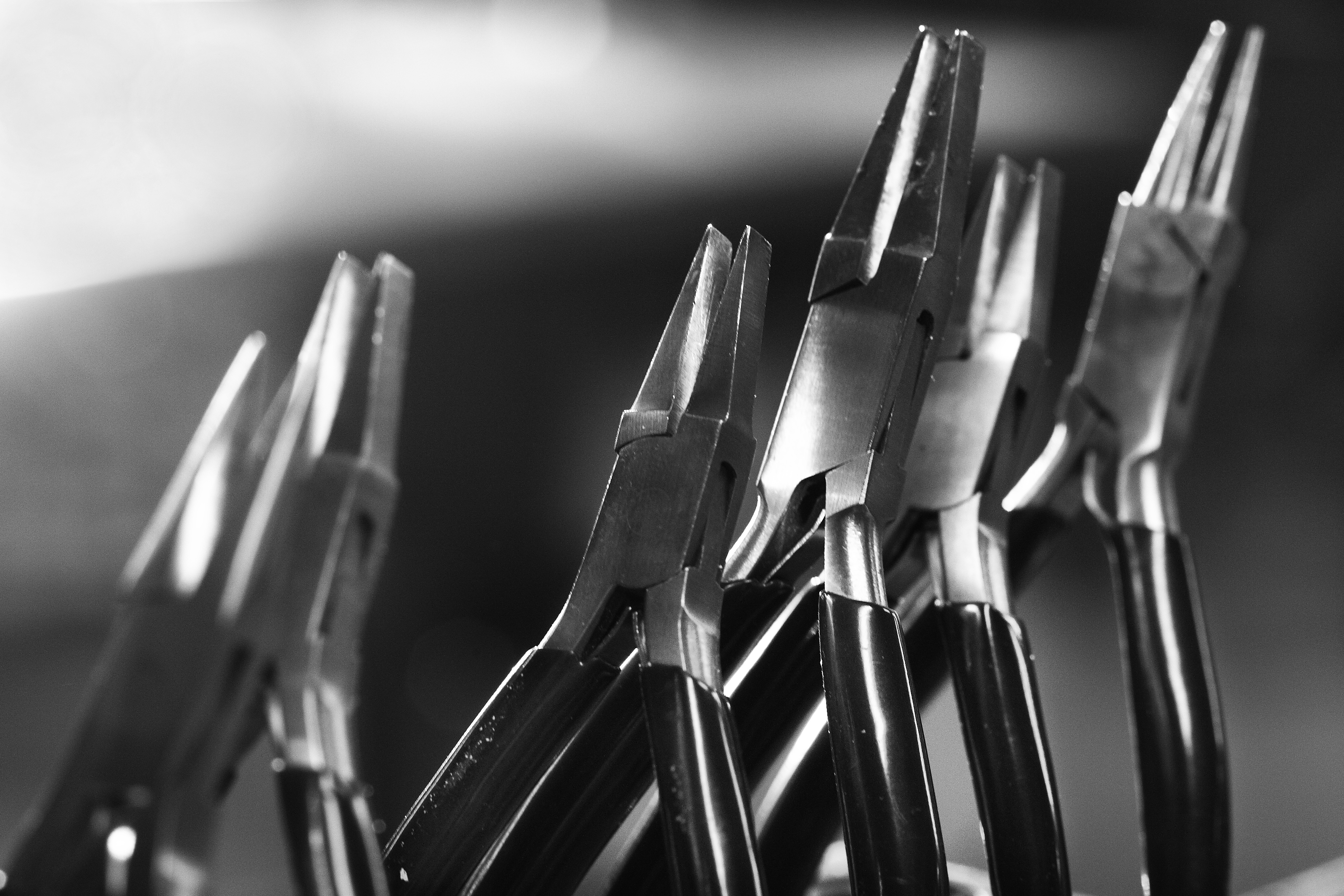
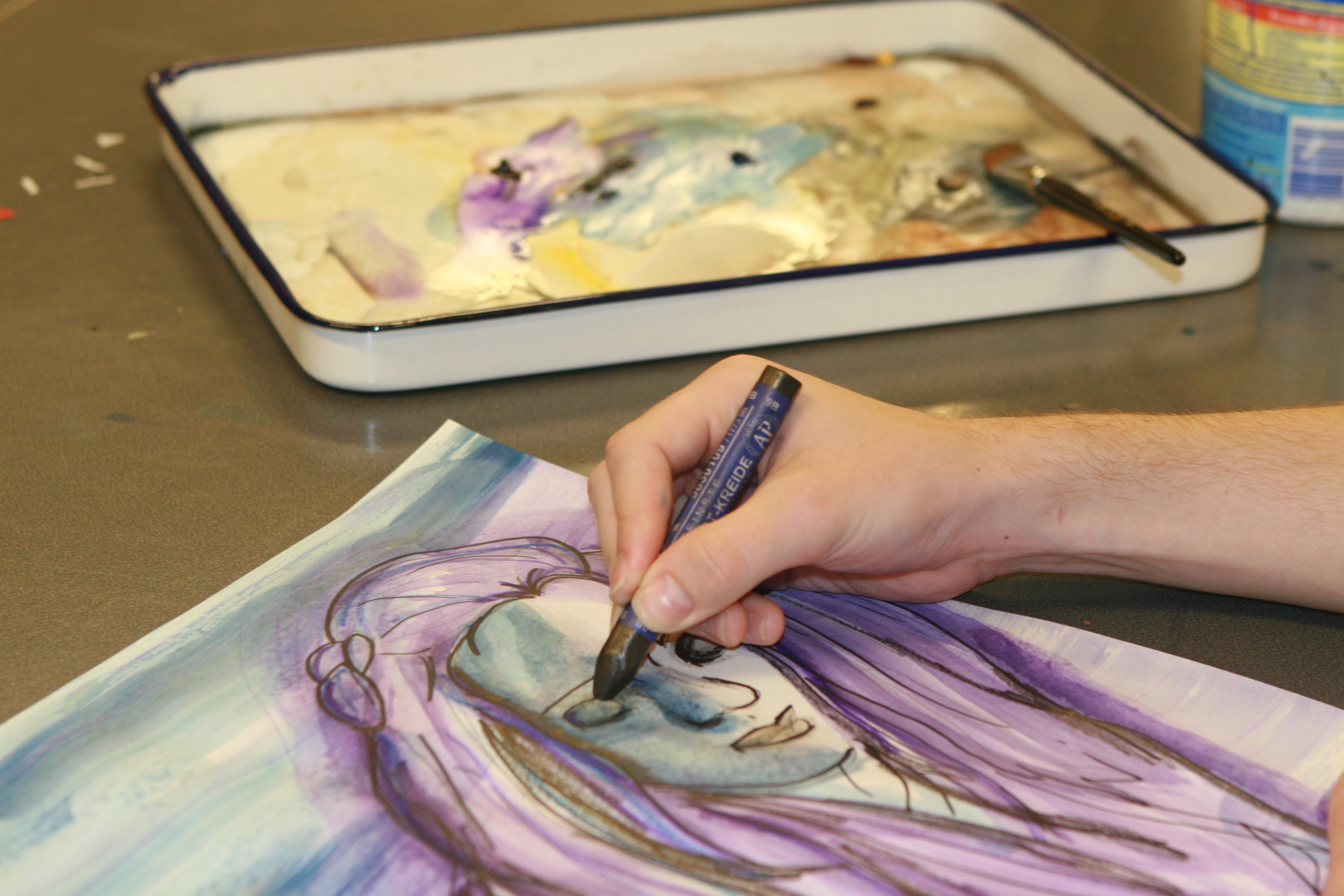
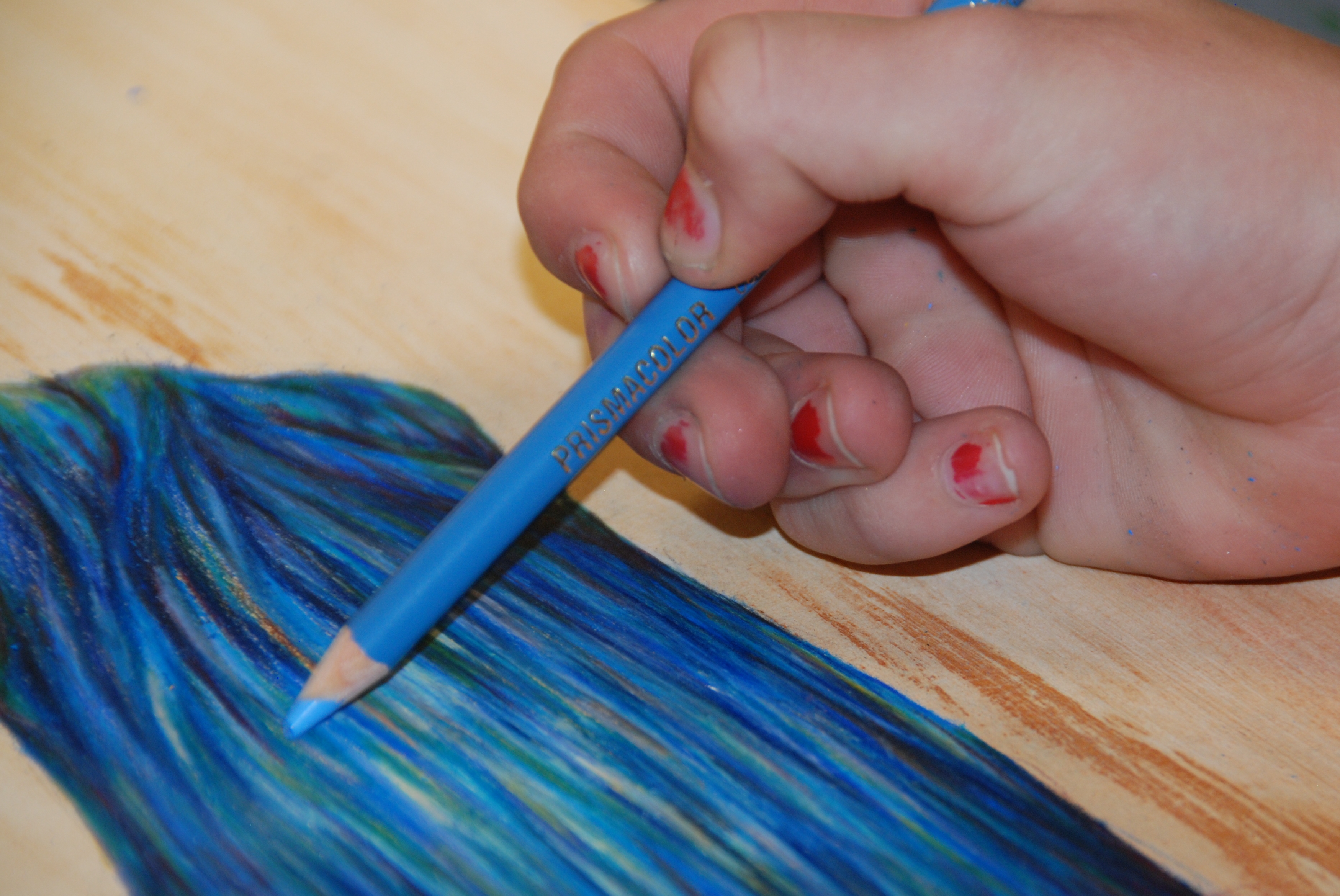
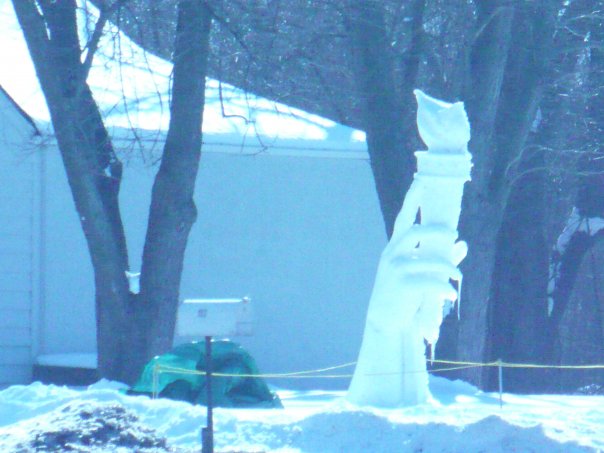
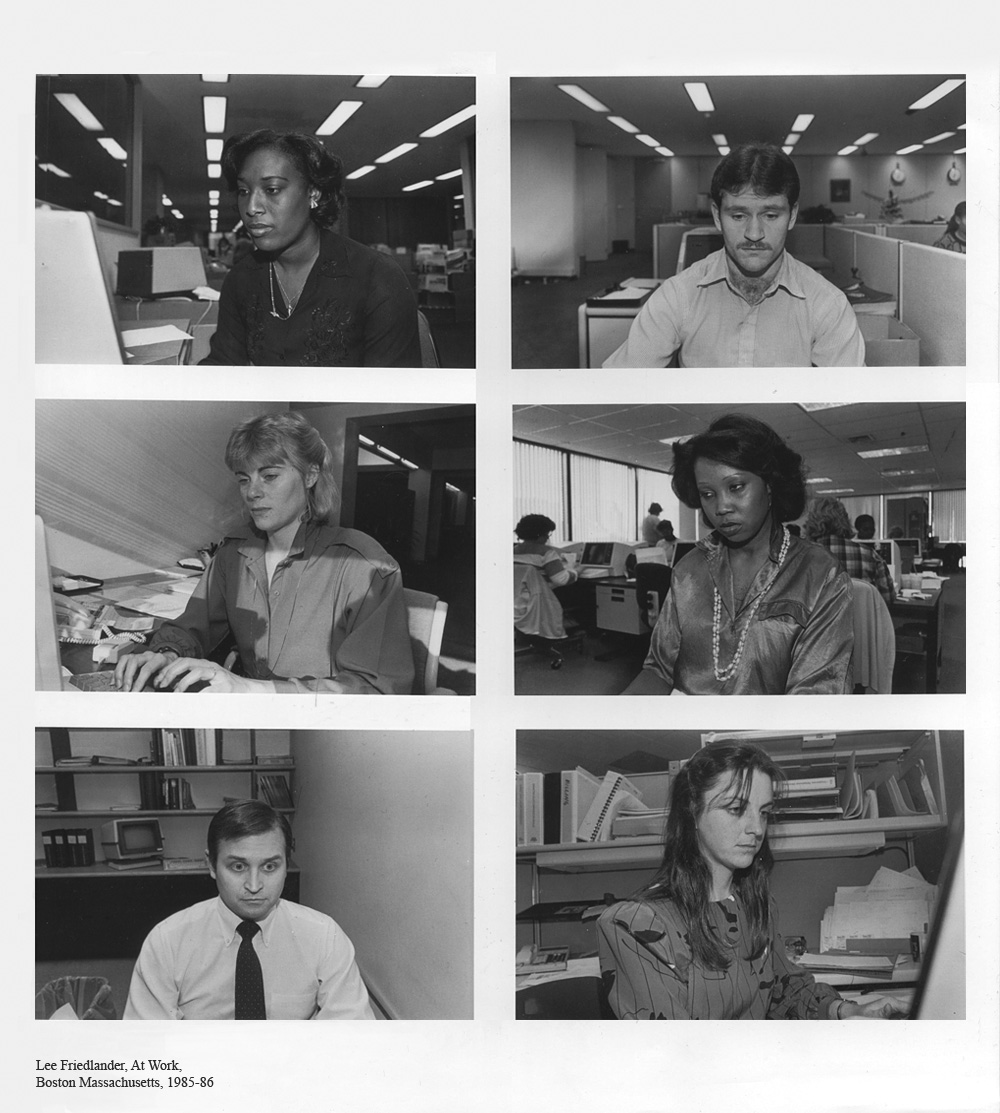
The Fine Arts Boosters asked the AP class to shoot around the department, so that pictures could be offered for sale as a fundraiser; just about everyone in the class contributed to the project. Here are a few of the images (I’ll add more [and credit lines], so check back).

Seasonal Events

http://blakeandrews.blogspot.com/2010/02/proposed-olympic-events-for.html

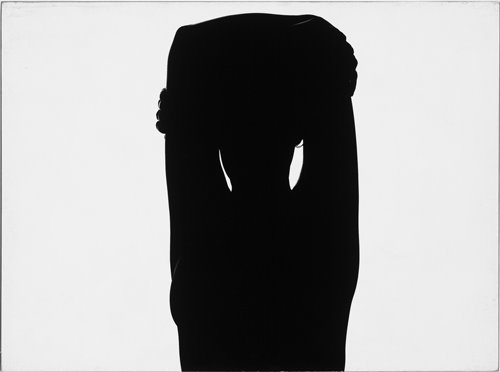
Current Events, in Silhouette

Technically, a silhouette (“little silhou”)* is gotten on film by exposing in a situation that produces a black outline, engaging for its easily readable form rather than for any shadow detail, against a much brighter field. Sunsets (with, oh, I dunno; cacti?) come to mind. We can’t/don’t want to wait for such occurrences because we can invent them and have control over them. Ideally, there should be a difference of five stops from foreground to background, and you’d like the meter to go by the background’s light level, not “over” expose for the sake of recording information in the darker “figure.”

(Harry Callahan, Eleanor, 1948)

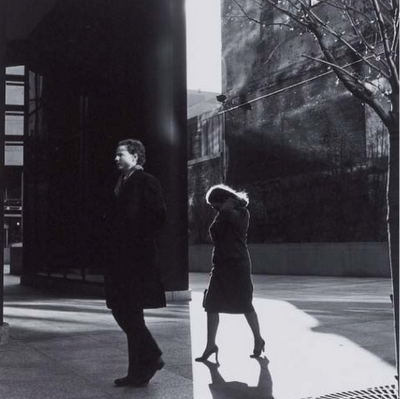
For the first semester students’ second project, make silhouettes of our (and your) current events. This can be easily done indoors by a window, without braving the elements; or in a doorway between two rooms; or perhaps in an open garage, and still achieving the necessary four- or five-stop differential without resorting to harsh, amateurish “post-production” versions. The earlier in the process one can intend, the easier (and “better”) it is.

(Ray Metzker)

In class, we brainstormed in order to add to our list of recently shared adversities (H1N1, snowstorms, rampant headlice, earthquake).  Make negatives of silhouettes by February 23, in order to shift one’s next project (street photography) from passive to active, from research and writing to actual street shooting.

* JK

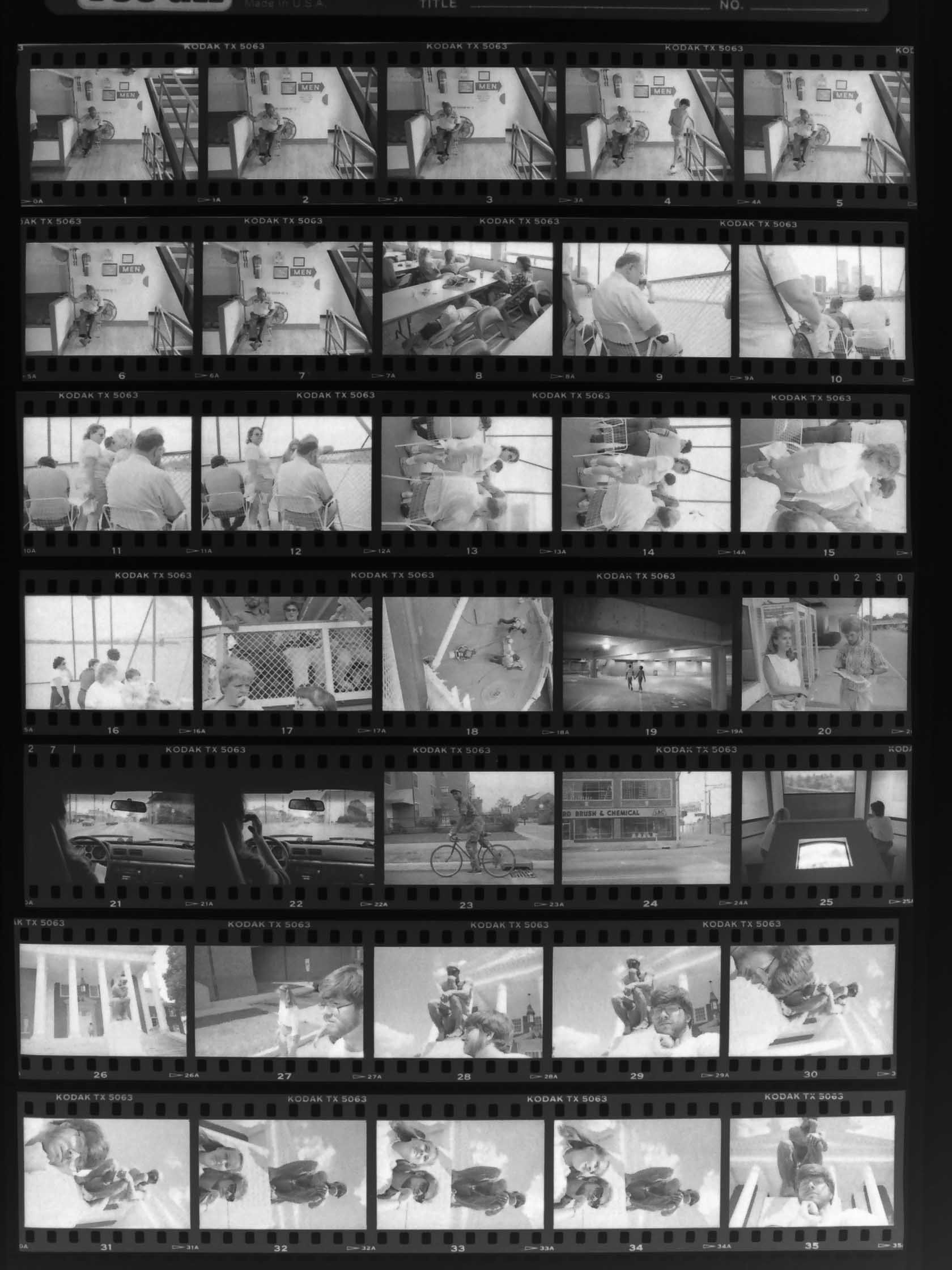
Contact Sheets, Made by You

A contact sheet (aka proof sheet) is indeed a photograph, and needs to be considered seriously as such. It’s information about the negative.

In our darkroom, we recommend making a contact sheet without a filter that would modify contrast. Set the enlarger height to illuminate one of our 9×11″ pieces of glass, with a negative carrier installed. Expose through the glass, through the negatives, onto the paper for nine seconds at f11 (f8 if the developer concentrate calls for it).

Some folks (Mr. Winogrand was one) prefer to make proofs at contrast grade 1, reasoning that they can see better into the highlights and shadows. Consistency is key here.

Typologies

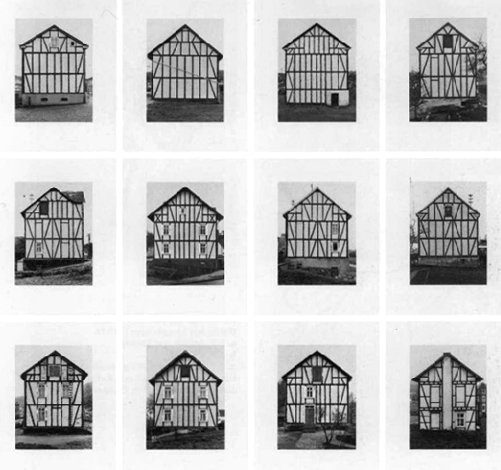
We (Photo II-IX) are planning and making typologies. Here are some ways to consider them:

Descriptive: similarities in form, consistent presentation

Explanatory: information, in order to understand

Interpretive: potential implications

Ethically evaluative: references to cultural judgment

Aesthetically evaluative: references to art, the art world; self-referential

Theoretical: explores possibilities

Check this out: http://www.ukessays.com/essays/photography/bernd-hilla-becher.php

I guess I love the colons, eh?

Make your first batch of negatives by 2/23 (which is before the street photography project).

Then, read this: http://caraphillips.wordpress.com/2008/05/12/typology/

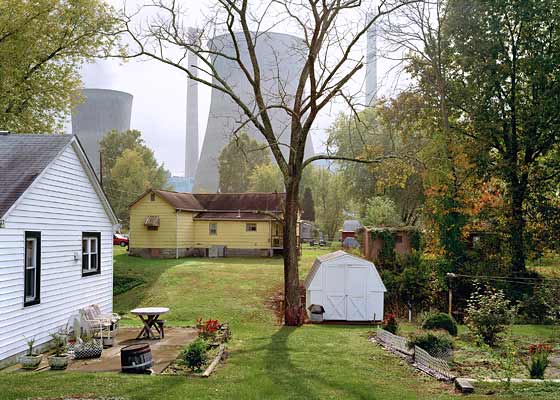
Mitch Epstein

…is speaking this Thursday at Columbia College: 6:00 in Ferguson Theater. Free. Rock star status among Photography majors. I predict standing room only (and HGFOS). Don’t miss it.

Regarding Our Intelligence

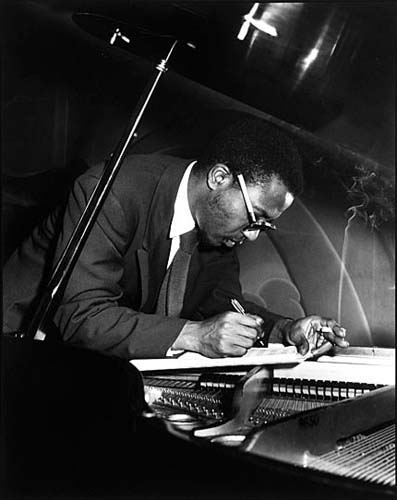
Here is a substantial excerpt from Mr. Mayhew’s Honors course “Writing Jazz” blog:

“Intelligence, in any field, is driven by the desire to discover the inner logic of things, how things work from the inside out. Education, even at the highest levels, tends to emphasize the acquisition of knowledge, but erudition is not intelligence.

“If you take an approach to learning that is oriented toward discovering how things work, you will acquire a lot of erudition along the way, but, more importantly, you will develop real intelligence, which I define as the capacity to draw connections within and between complex systems.

“In some sense the knowledge (erudition) is the easy part. For example, if you asked me analyze the rhythmic interactions between Paul Chambers, Philly Joe Jones, and Red Garland in the Miles Davis quintet rhythm section, it would be very difficult. It would require a lot of close listening and analysis… Jazz provides a good opportunity to exercise this kind of intelligence because of its complexity and subtlety. Since jazz is already a complex musical style, and takes place as one part of a complex culture, then interpreting its place within culture involves relating two complex systems to each other.

“Now I think you’ll say that to this you have to be very, very intelligent… I would put it another way: the way to become intelligent is to do things like this. This shouldn’t really be a wholly new approach for you. I think good students figure this out for themselves eventually. Sometimes very intelligent students, however, don’t really get it. They still think of education mostly as acquiring knowledge and doing well in classes rather than trying to figure out the secret logic of things.”
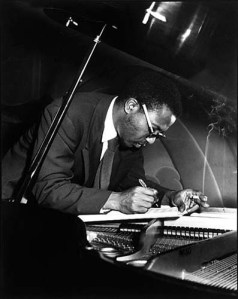
(Who was it who referred to revealing the hidden structure of things? Metzker? Naw. G. Spencer Brown? Nope. It’ll come to me… Anyway, the point is — one of the points is — that we get smarter through the doing. We don’t need to know what or how before we start out on something, but rather at the middle or the end (ideally; no guarantee, of course). Ah, it popped into my head: the hidden structure quote might be from Emmet Gowin, in the video we have and will likely watch in class soon.)

Matthew Woodward: Bare Ruined Choirs

Go to the Barrington Area Library right away to see the exhibit of Matthew Woodward’s drawings, because you’ll be revisiting before it all comes down on the 20th. Look around carefully so you don’t miss any of the pieces. There are parallels to the kind of monochromatic printmaking that we do.

The library’s website says:

“Through Woodward’s medium of charcoal and graphite on paper, he highlights interesting motifs found on century old edifices. By selecting architectural details from cornices, doors, and gates, he captures a misty beauty of ghost-like finials and creates hazy, haunting, compelling images.”

In between visits, read John Berger’s essay “The Company Of Drawings” in this month’s Harper’s magazine. Here’s a little quote (which happens to begin with a clear similarity to camerawork:

“Drawing now involves subtracting as much as adding. It involves the paper as much as the forms drawn on it. I use razor blade, pencil, yellow crayon, spit. I can’t hurry.”

Assessment Criteria for This Semester

(Yes, this chalkboard picture is meant to segue from the above post.)

In an effort to broaden the six-point system for projects last fall, here is a list of criteria that earn 3 points each:

Film & Contact Sheets: making well-exposed and developed negatives; making correct and useful proofs.

Following Directions: using the assigned set of concerns to shoot; observing deadlines.

Interpretation: going beyond the letter of the law, trying stuff to see what can resonate for the viewer.

Printmaking: exercising one’s craft to produce engaging pictures.

Late or incomplete work at a given deadline earns no credit; reassessment may occur, but is not guaranteed.

Decisions & Resolutions

The phrase that’s been sticking in my rostromedial prefrontal cortex lately is “Prioritize heavily.”

http://calnewport.com/blog/2010/01/29/an-argument-for-quitting-facebook/

  • Calendar

    • May 2026
      S M T W T F S
       12
      3456789
      10111213141516
      17181920212223
      24252627282930
      31  
  • Search