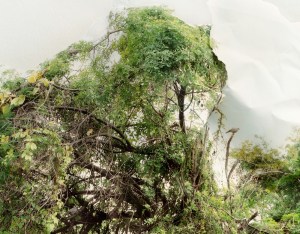
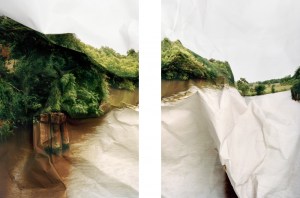
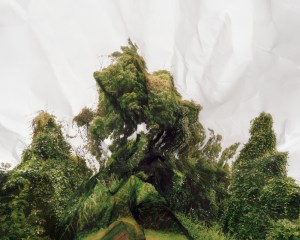
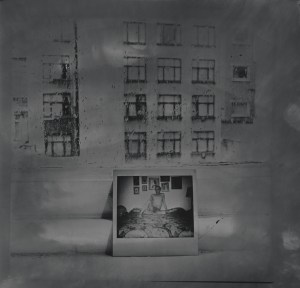
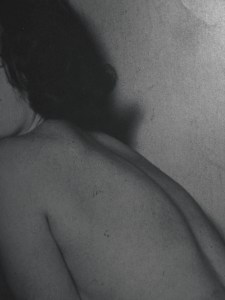
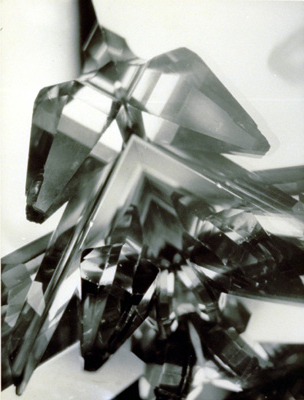
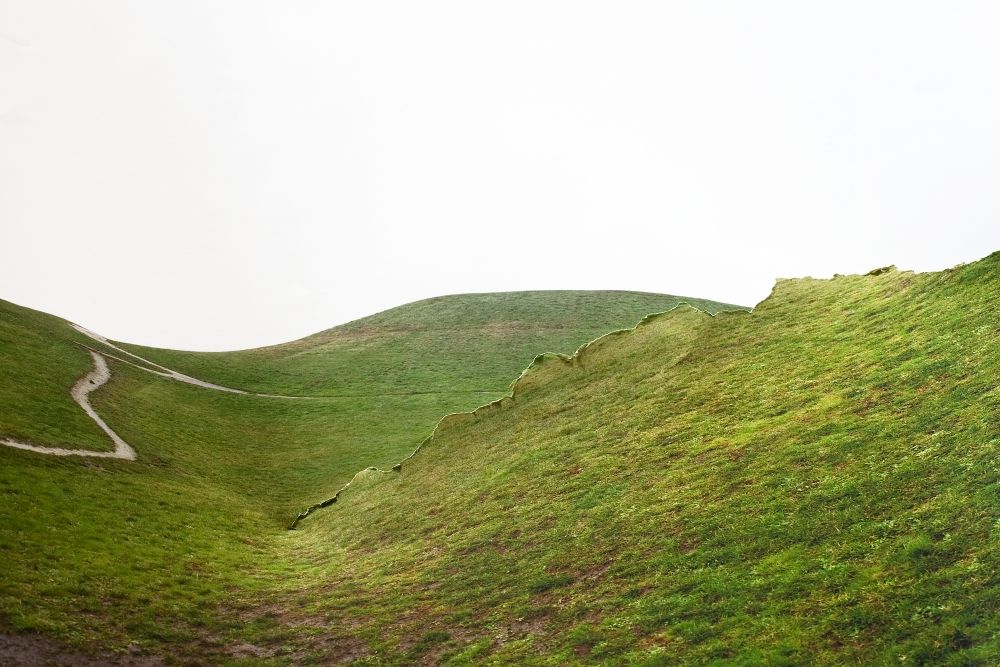
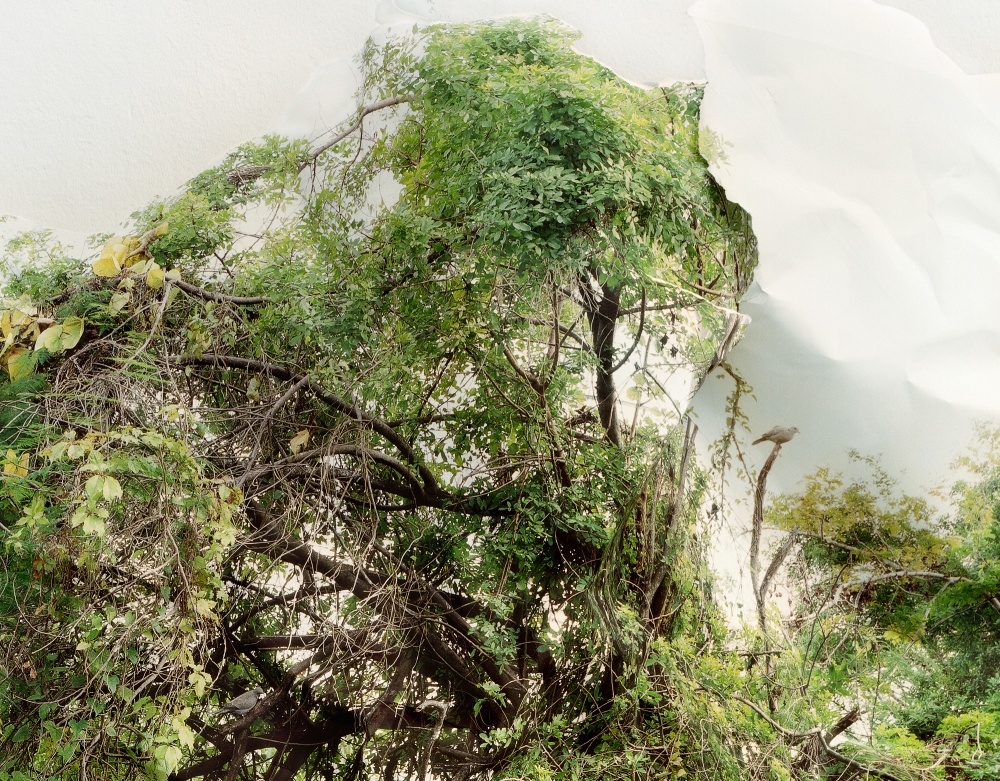
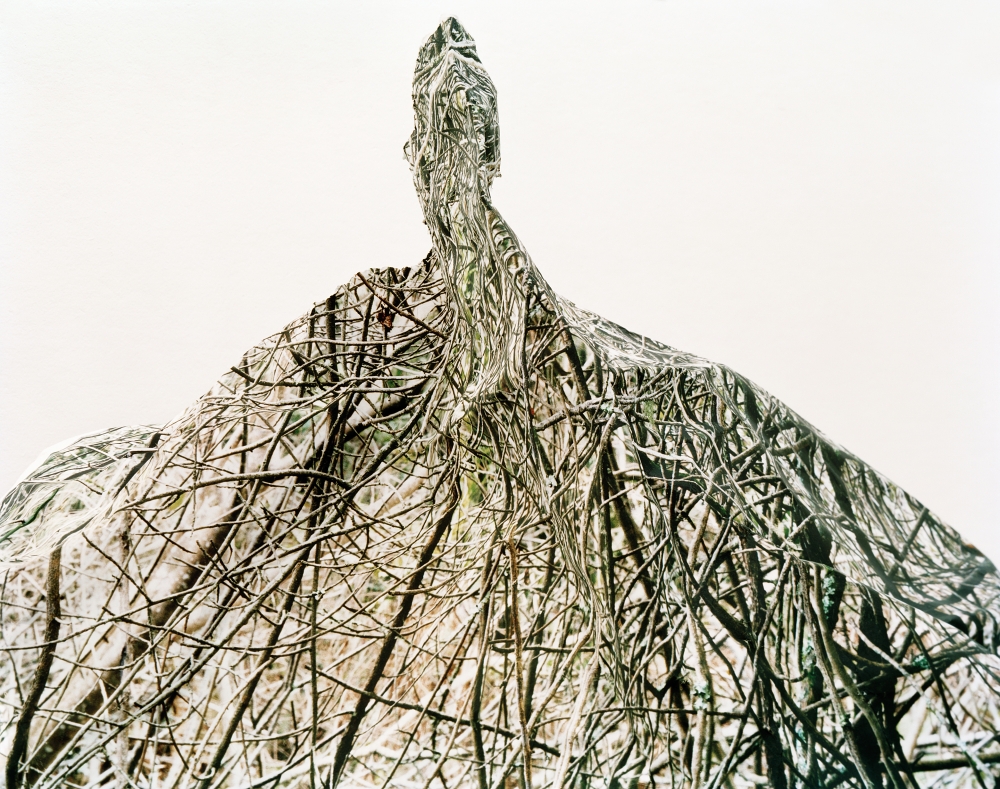
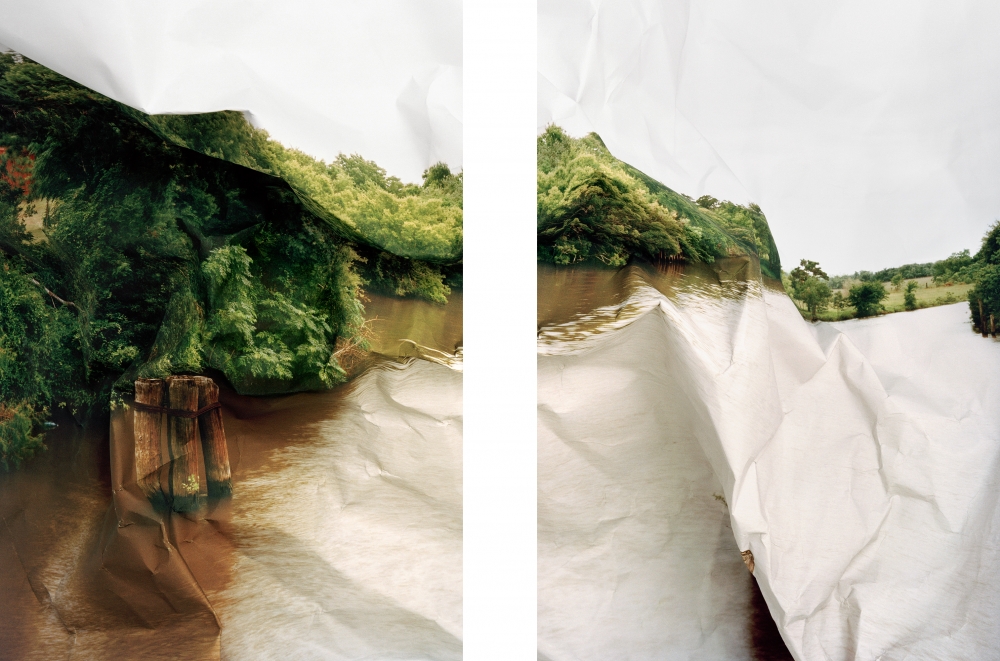
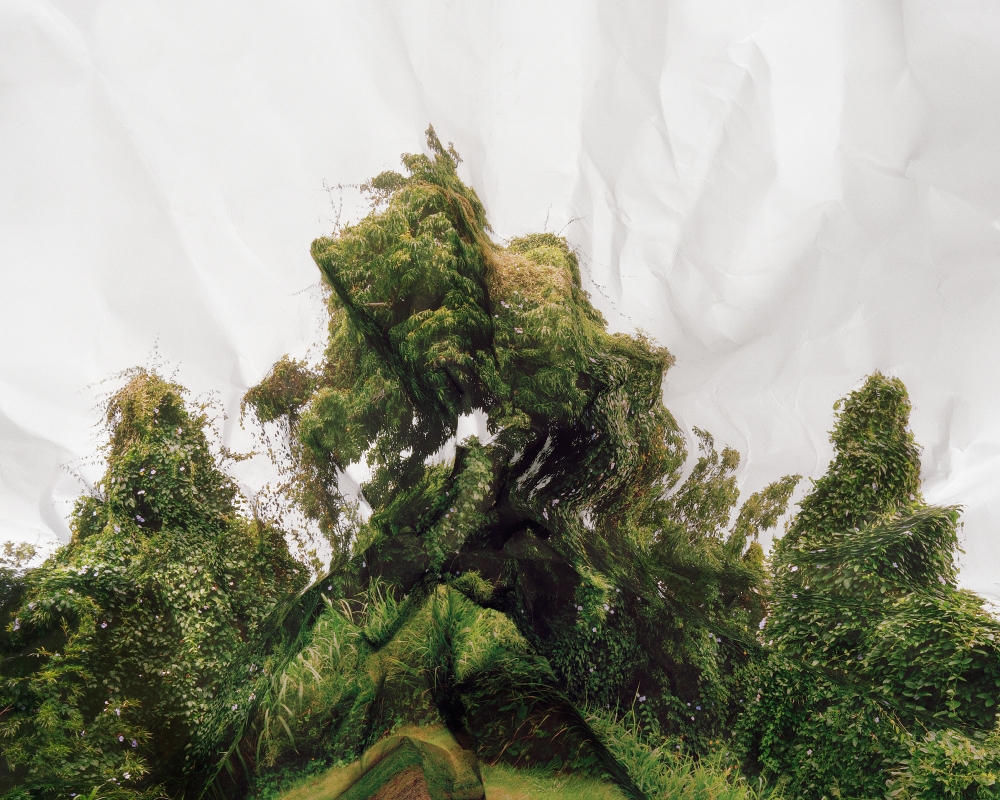
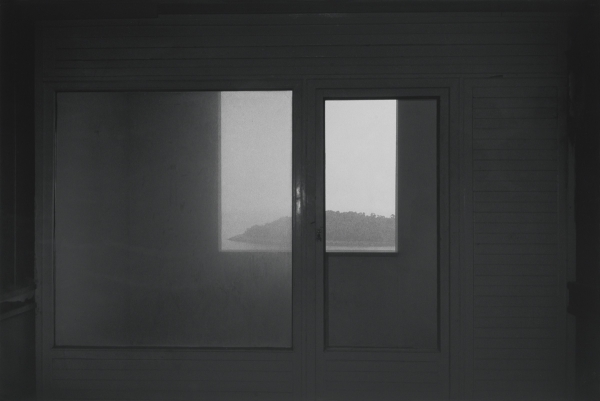
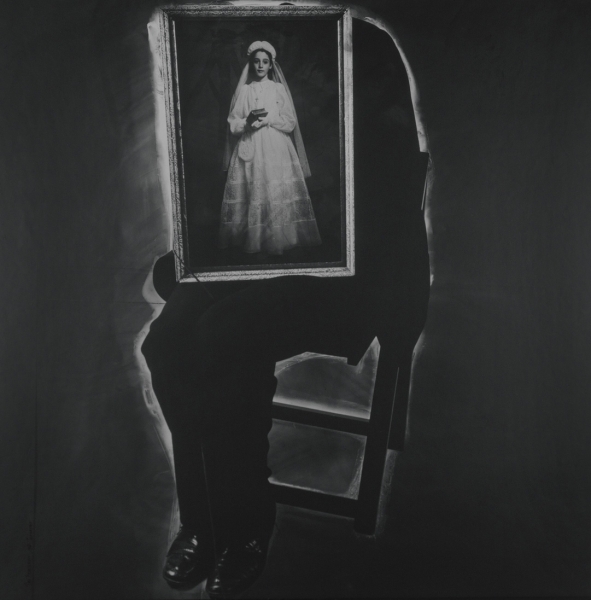
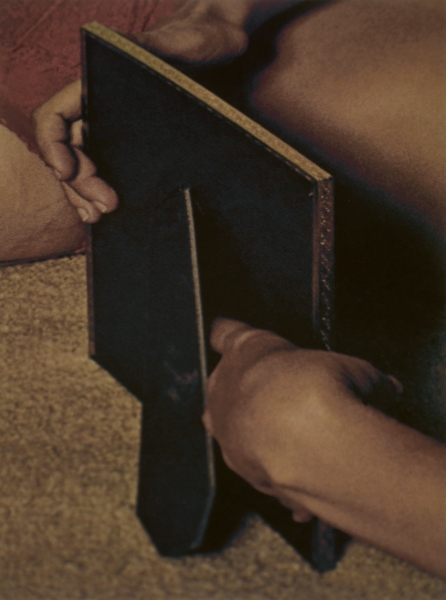
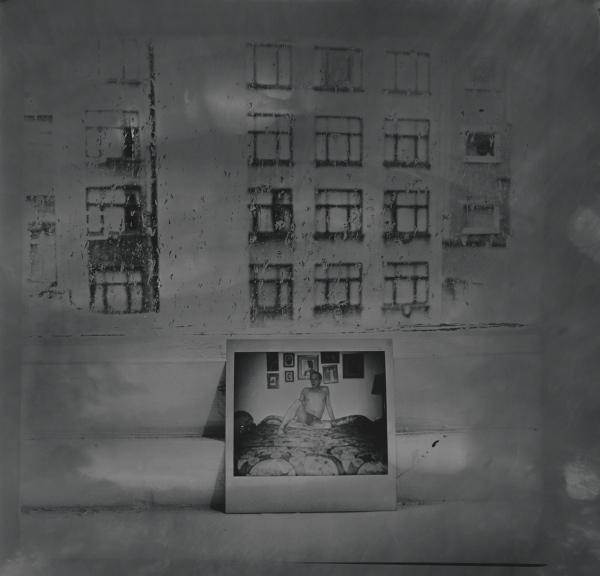
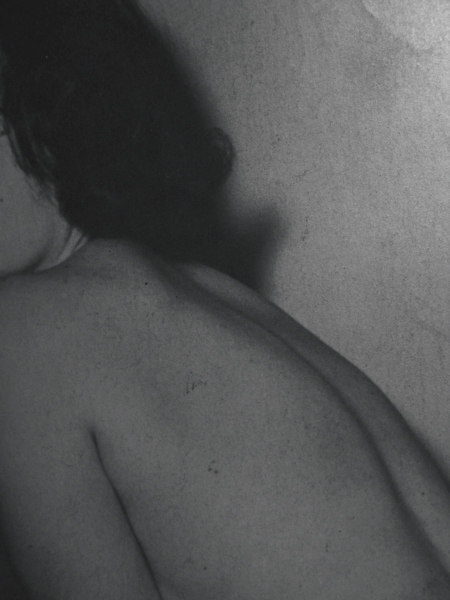
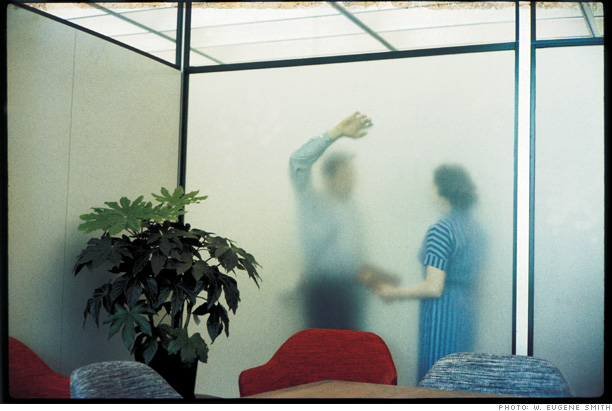
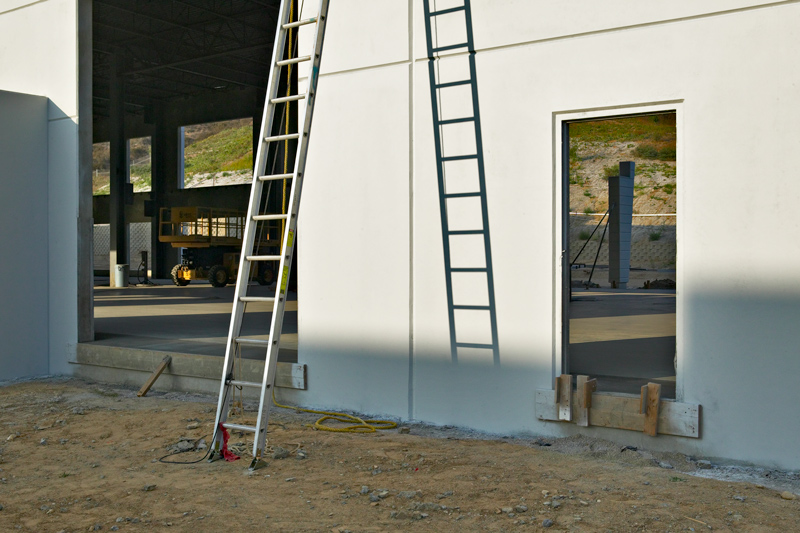
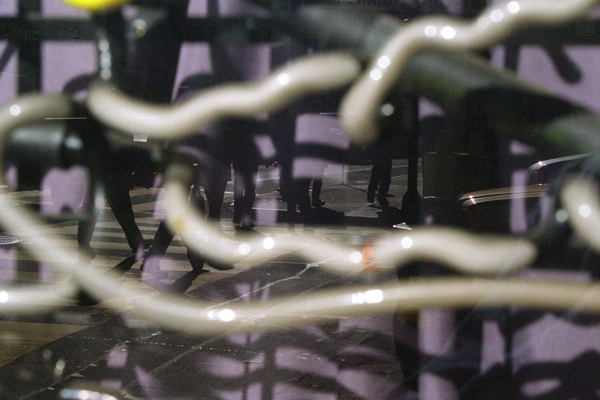
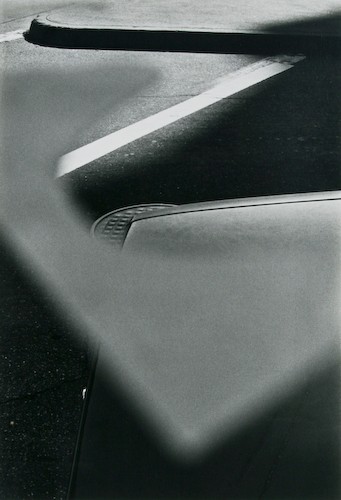
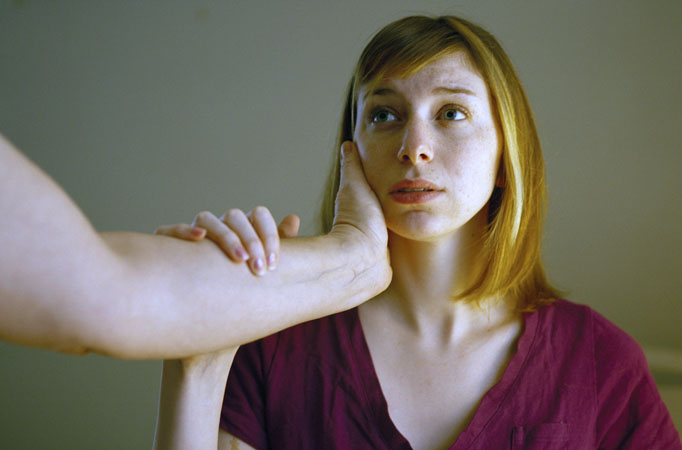
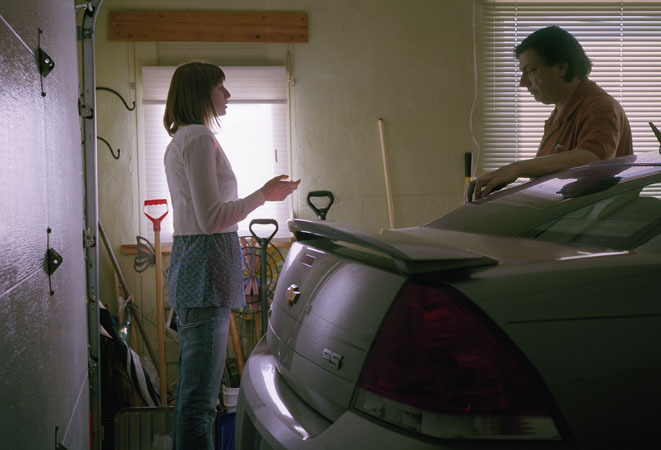
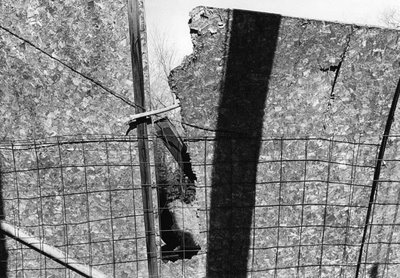
Of late, a few artists in the World of the Glowing Hoodies have been making pictures that will present a (welcome) challenge when the time comes to upload them to the College Board. They (the physical images) remind us that form is at least as important as content (cf. Winogrand), if not moreso to the point of total dominance (cf. Groover).
Here is a statement from Laura Plageman that addresses an aspect of this in her series Response:
“In this series I am responding to photographs both as representations and tangible objects. Through physically altering enlarged prints and then re-photographing the results, I create works that oscillate between image and object, photography and sculpture, landscape and still life. While they may appear illusory, the resulting pictures are documents of actual events and are thus as authentic as the original representational images contained within.
“My process unfolds through observation and experimentation – I let the image and its materiality dictate its direction. Playing with paper and with light in unplanned and organic ways, I look for new ways to perceive the space, form, and context of my subjects. In some works, large pieces of the original image are torn out while in others, smaller parts are more subtly altered. I use a large format view camera throughout my process so I can control perspective and record as much detail as possible. Whether focused on a ripped paper edge or a nesting bird, I hope to reach a place where picture elements interact and merge in unpredictable and expressive ways.”
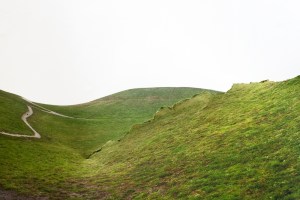
Even more pertinent to the current AP work is this caveat regarding the posting of work by Dirk Braekman:
“We would like to inform the visitor that this website is merely a documentary tool. Please keep in mind that the rendering of the original prints on a digital platform is only approximate and involves considerable loss of quality, contrast and depth when shown on most computer monitors. With their very specific tactile values, textures and the (mostly) large formats, the original photographs are thus extremely difficult to reproduce. It goes without saying that only seeing them in reality can do them justice.”
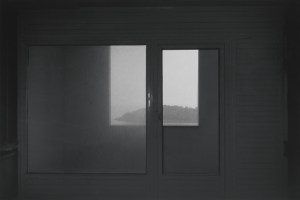
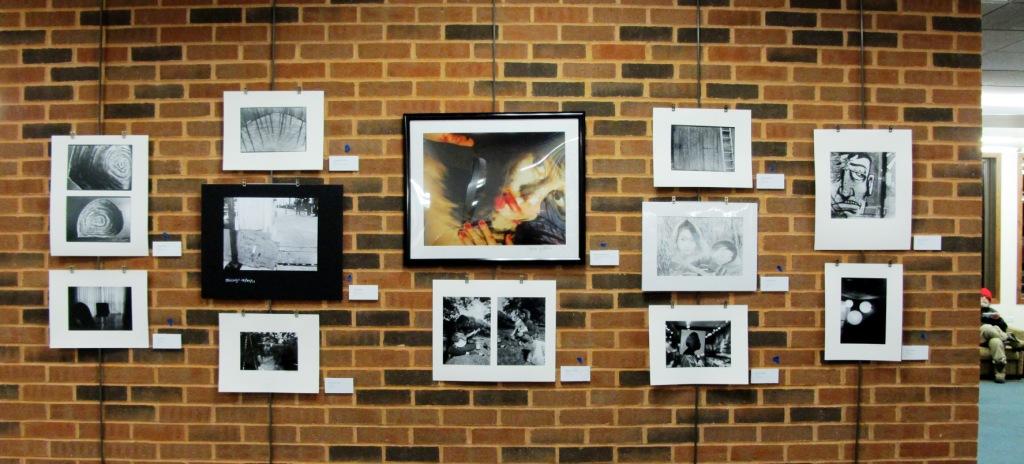
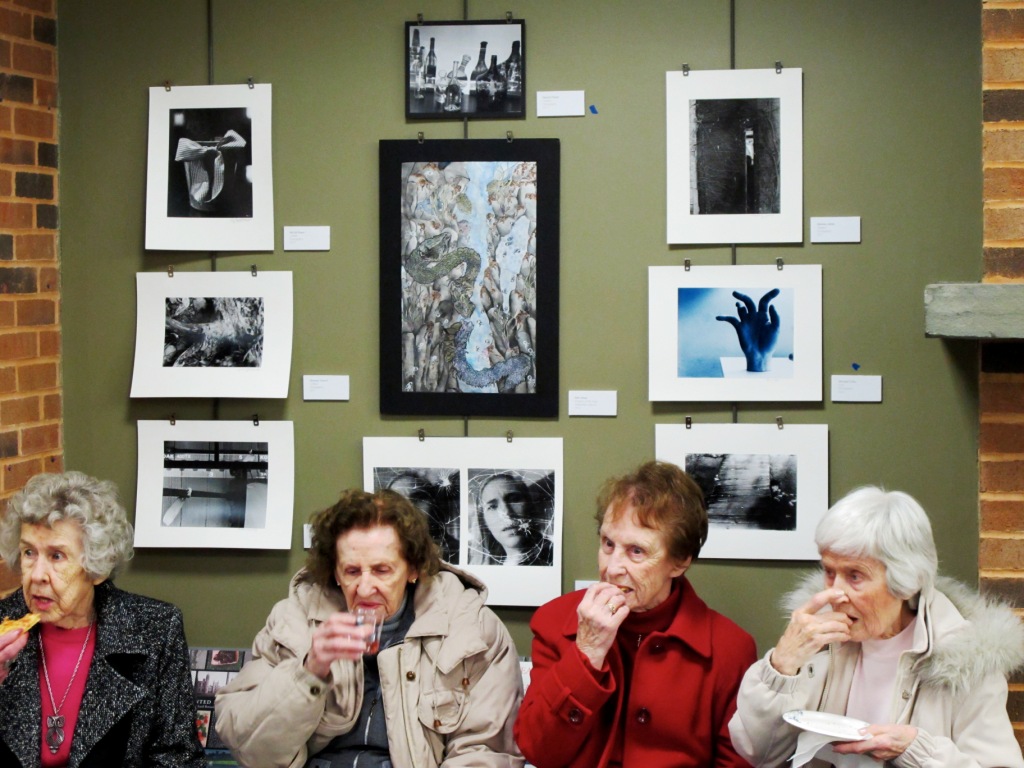
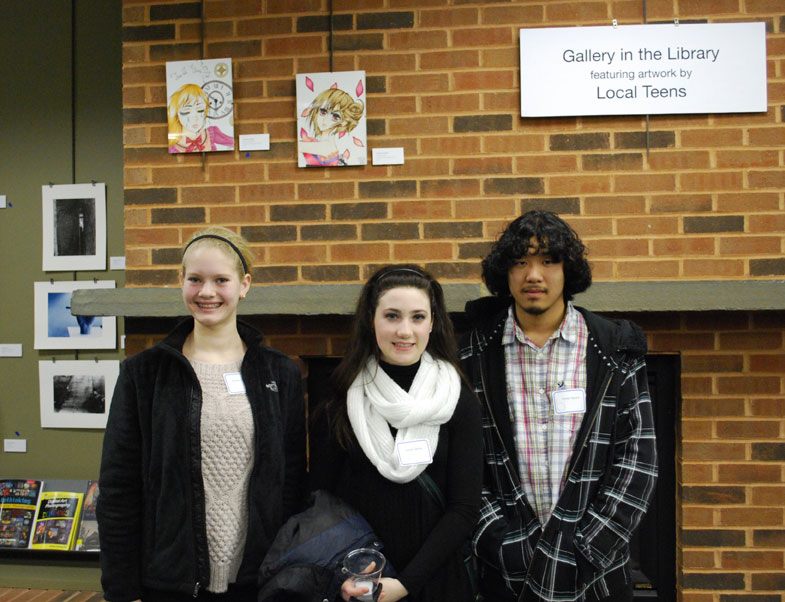
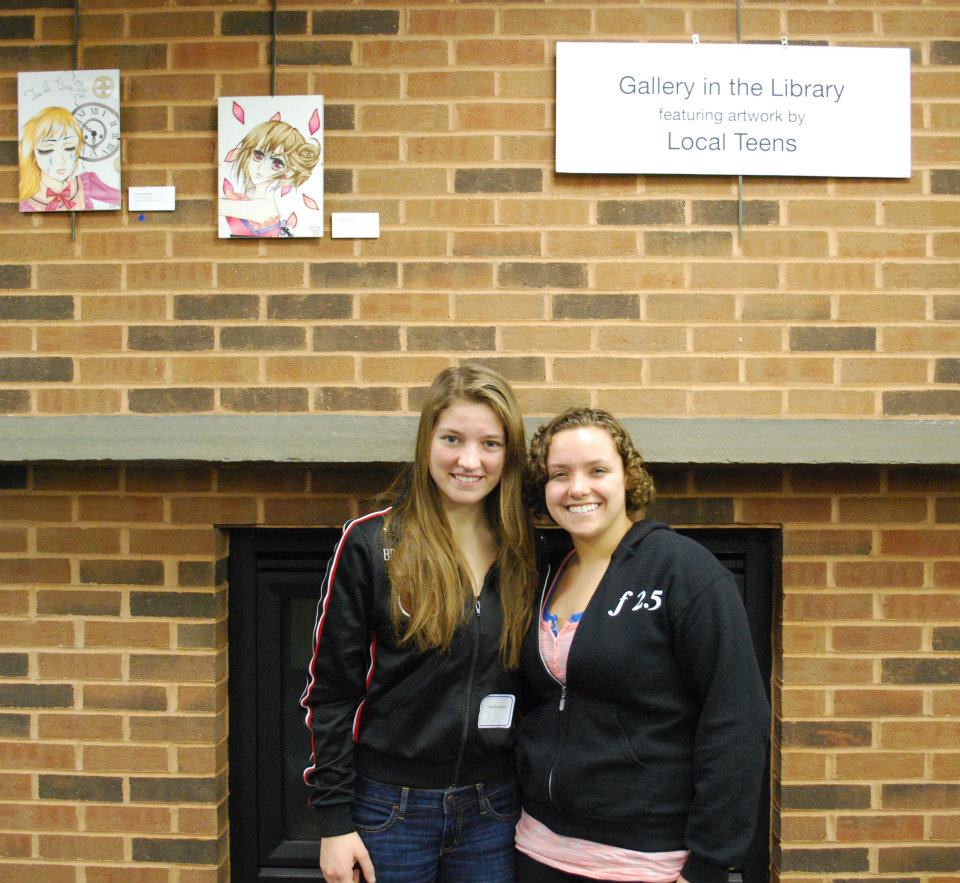
…held a lovely reception last week on Friday night. The show extends to April 15, so hie thee to the stacks before you figure your tax.
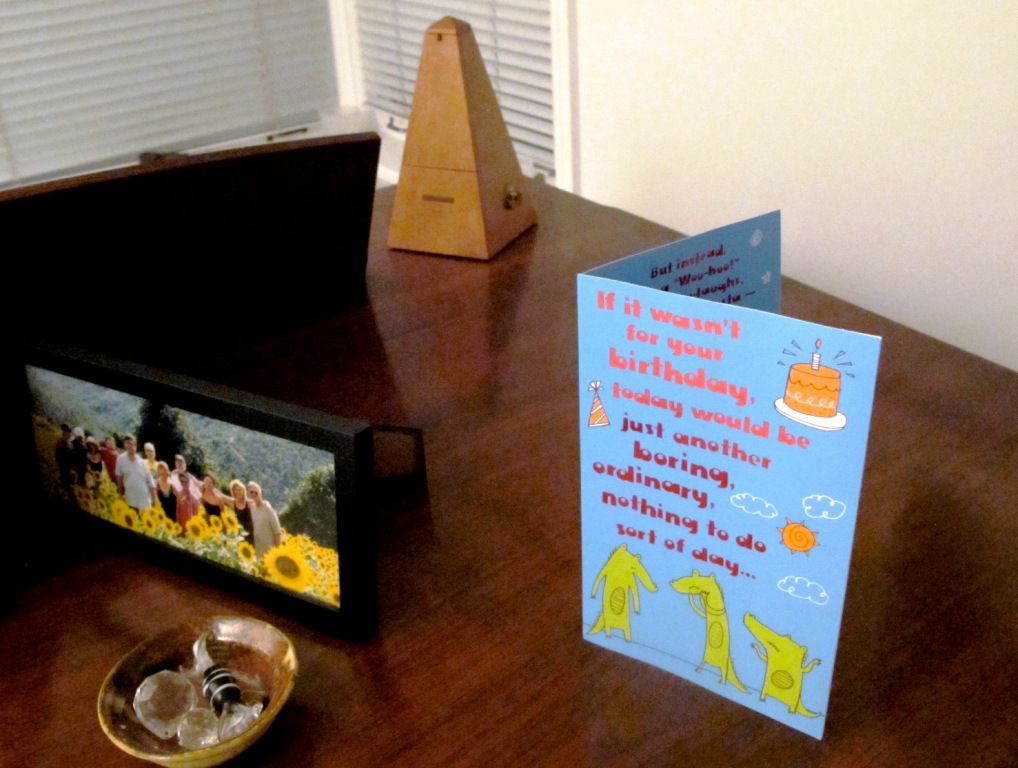
Annnnd it was my surprise birthday! Thanks, Leslie!
Here are the Library’s PR pix as well:
As soon as an award list is published we’ll add it here.
UPDATE: Here ’tis.
Best in Show: Alicia Parrish
Gold: Kristen Holland, Zachary Rowe, Rachel Parker, Samantha Labar, Stephanie Walterman, Michelle Henneberry, Nicole Galanti, Yin Ming Wang.
Honorable Mention: Joyce Gaffney, Jamie Gray, Kristina Bastidas, Michael Colby, Alexa Hanaford, Lauren Captain, Justine Kaszynski, Fay Jenson.
(Hmmm… twelve of the seventeen share a certain 7th hour class.)

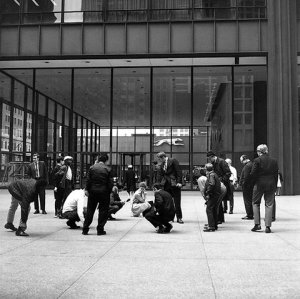
The folks at the Gray Lady admits they’re playing catch-up regarding the saga of Vivian Maier, but they’re making up for that with a brace of posts. As promised last year, we’ve/they’ve only begun to scratch the surface of negatives in the newly processed film.
http://lens.blogs.nytimes.com/2012/02/16/vivian-maier/?src=rechp
http://6thfloor.blogs.nytimes.com/2012/02/16/vivian-maiers-muse/
http://www.nytimes.com/interactive/2012/02/19/magazine/vivian-maier.html

Pick Sunday’s NYT for the Magazine feature.
(Kelly, did you get a badge?)
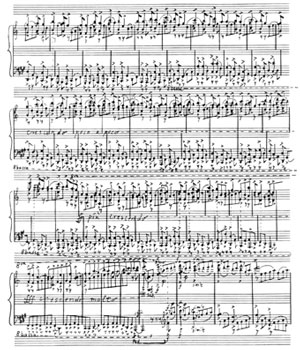
Ligeti wrote: I lay my ten fingers on the keyboard and imagine music. My fingers copy this mental image as I press the keys, but this copy is very inexact: a feedback emerges between ideas and tactile/motor execution. This feedback loop repeats itself many times, enriched by provisional sketches: a mill wheel turns between my inner ear, my fingers and the marks on the paper. The result sounds completely different from my intial conceptions: the anatomical reality of my hands and the configuration of the piano keyboard have transformed my imaginary constructs.
http://www.youtube.com/watch?v=JPa4XAhSYhE&safety_mode=true&persist_safety_mode=1&safe=active
Ligeti said: “The music from the ‘Sonata form’ tradition, the big symphonic enterprises: all of this belongs to the German tradition, which was the strongest tradition in the 19th century. But even then, Paris was a cultural capital. Of course, Debussy had undertaken a decisive revolution in the beginning of the 20th century. But jazz arrived (and, before it, ragtime, Scott Joplin) and imposed a combination of influences – it is not African, nor Irish nor French, not even American – it’s everything all together, the first musical expression to be multicultural. Shortly after there is a popular dimension in jazz, notably with Armstrong. I find this very interesting because it is spontaneously creative, distant to today’s commercial phenomenons that are designing popular culture. At the turn of the 30’s, jazz was a unique and spontaneous explosion, the most beautiful stylistic expression of the century. I don’t know if it is still possible that an art of this importance can continue to develop because marketing now instantly grabs new musical forms from the street.”
Congratulations
to next year’s new members
of the
Advanced Placement
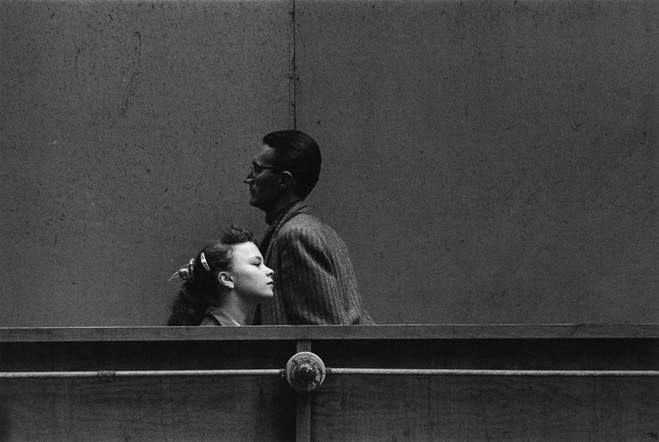
2-D Design class:
Bianca Adams
McCall Braun
Grace Barbolla
Delaney Crouch
Mikayla Johnson
Marian Jostock
Jessica Loomis
Imran Mohsin
Claudia Nielsen
Kayli Putman
Michele Riefenberg
Stephanie Walterman
Maggie Ziolkowski
They join returning artists
Kristina Bastidas, Lauren Captain,
Alexa Hanaford, Fay Jenson, Sam La Bar,
Nikki Nixon, and Zach Rowe. Welcome in!
Simply to remind ourselves from time to time (like, say, before a field trip):
Police officers may not generally confiscate or demand to view your photographs or video without a warrant.
Much more at http://www.aphotoeditor.com/2012/02/13/aclu-says-know-your-rights-photographers/ including, for instance:
If you are arrested, the contents of your phone may be scrutinized by the police, although their constitutional power to do so remains unsettled. In addition, it is possible that courts may approve the seizure of a camera in some circumstances if police have a reasonable, good-faith belief that it contains evidence of a crime by someone other than the police themselves (it is unsettled whether they still need a warrant to view them).
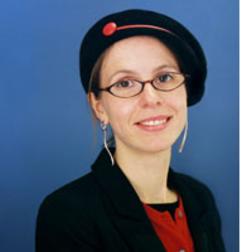
“My passion is collaborating with innovative and risk-taking musicians, film-makers, visual artists and, in particular, choreographers. Creating new works through a fluid artistic dialogue has consistently fuelled my art-form from new perspectives and has maintained a fresh and exciting creative environment. Inspired by visual images and physical movement, my intention is to create music that complements and interacts with other art-forms, and that impacts performers & audiences alike.”
Read Mr. Margasek’s report: http://www.chicagoreader.com/chicago/anna-clyne-mead-composer-residence-cso-muti-night-ferry/Content?oid=5587726
More: http://www.youtube.com/watch?v=JemXDJxzADk and http://www.youtube.com/watch?v=JGovFsr11Jw
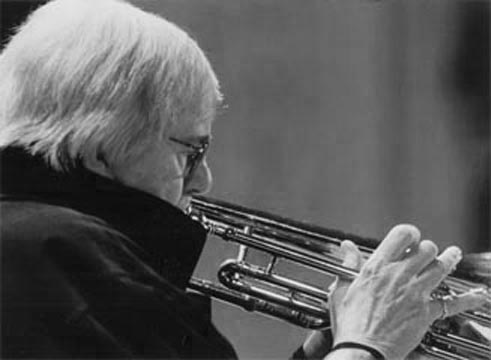
“If you give a soloist an open solo for thirty seconds, he plays like he’s coming from the piece that you wrote. Then he says, ‘What the hell was that piece I was playing from?’ And the next thirty seconds is, ‘Oh, I guess I’ll play what I learned last night.’ And bang! Minute Two is whoever he likes. Which is probably Coltrane.”
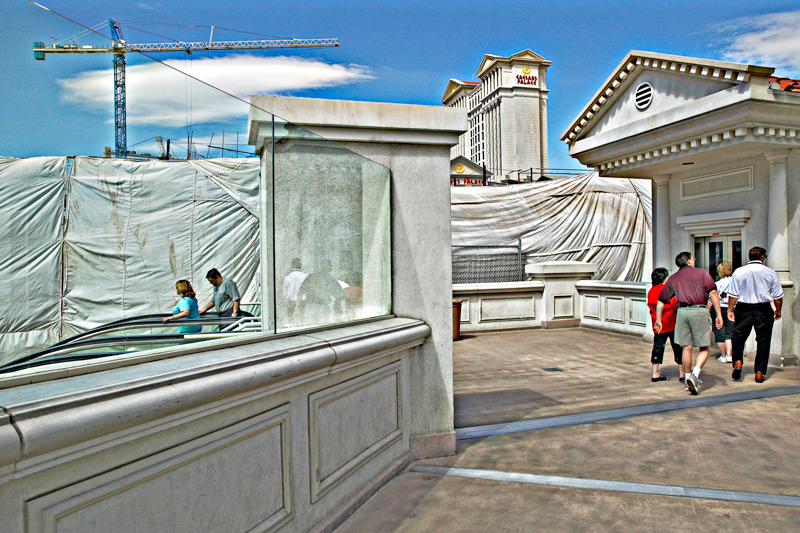
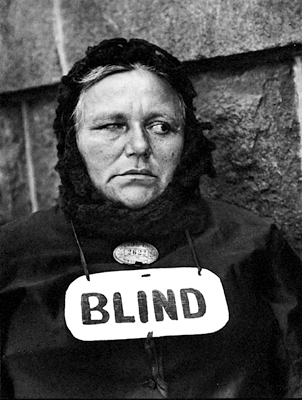
Each year, the department defines a theme upon which each of the mediums can riff all at once, in order to mount a show; this time it’s about barriers. See if any of these images inspire you.
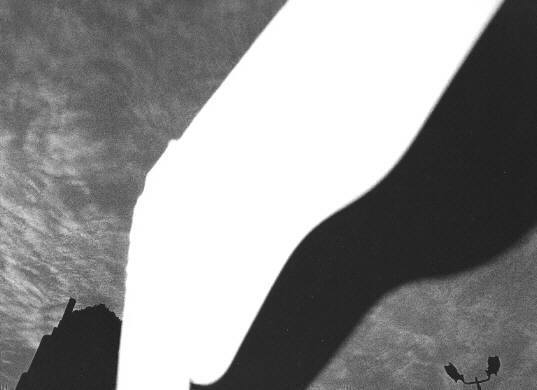
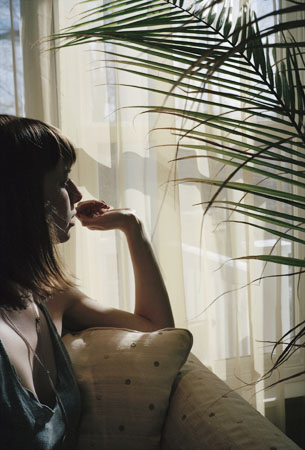
(Our apologies for uncredited pictures. There are some mysteries in this are; we’ll rectify this as we progress.)