Dig ’em.



I’ll reconnect the names with the pictures when… you help me.
See the musical this weekend; buy some pictures to support the department.
Dig ’em.
I’ll reconnect the names with the pictures when… you help me.
See the musical this weekend; buy some pictures to support the department.
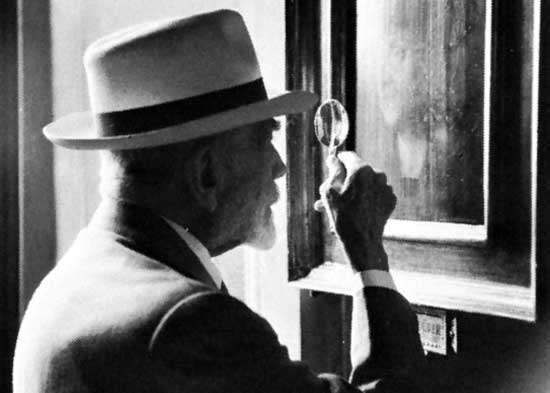
This is from a biographical profile of Thomas Hoving, former director of the Metropolitan Museum, by John McPhee. Mr. Hoving died last December.

“Princeton’s grading system goes from a high of 1 to a low of 7, and at the end of the senior year a student’s final departmental grade must be better than a 4 or he gets no degree. Hoving’s average at the end of that first term in his sophomore year was 4.46…
“In the second term of his sophomore year, Hoving went to a preceptorial in Art 301, a course he had signed up for that dealt with sculpture from the Renaissance to the present… In preceptorials–or precepts, as they are called–five or six students sit around a table with a professor and exchange ideas on the assigned reading and related material… The professor, Frederick Stohlman, set on the table a graceful piece of metalwork that had several flaring curves and was mounted on a base of polished hardwood. Stohlman asked each student, in turn, to say whatever came into his head about the object.
“Hoving heard the others using terms like ‘crosscurrents of influence,’ ‘definitions of space,’ ‘abstract approaches to form,’ ‘latent vitality,’ and ‘mellifluous harmonies.’ He felt unconvinced, unimpressed, unprepared, utterly nervous, and unsure in the presence of older and more knowledgeable students. A warm flush came over the back of his neck…
“Finally, Stohlman and the others looked at him, waiting for his contribution. ‘I don’t think it is sculpture,’ he blurted out. ‘It’s beautifully tooled, but it’s not sculpture. It’s too mechanical and functional.’
“Stohlman, an authority on Limoges enamels, was an inspiring teacher, and it was he who, some weeks later, first put into Hoving’s hands a work of art of importance–a piece of Roman glass. Now, in the precept, he looked at the other students and warned them of the dangers of getting caught in their own lecture notes, and went on to say that anything should be looke dat first as an object in itself, and not in the light of secondary reading or artistic theory. Finally, he pointed out that the sophomore was right–that the thing on the table was an obstetrical speculum.
“‘From that moment on, I had fantastic confidence,’ Hoving says. ‘I was never again afraid to say, “I don’t believe that.” Three weeks later, if that hadn’t happened, I might have been talking about elegant sfumato and sweeping diagonals, but, fortunately, I have never looked at a work of art through a cloud of catchwords. In the technical language of the history of art, you can draw a cocoon around anything, whether it is a Campbell Soup can or an obstetrical speculum. That’s what those cats in the precept did. A work of art should ba looked at as a humanistic experience, an object on its own. It betrays what it is immediately.’
“Hoving got a 1 in that course. He decided to major in art and archeology… He audited undergraduate art courses he was not enrolled in, and he sat in on graduate seminars… His final departmental grade was a straight 1, and he was graduated from the university with highest honors.”
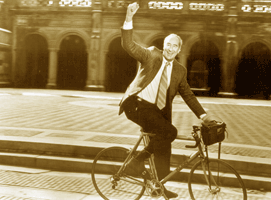
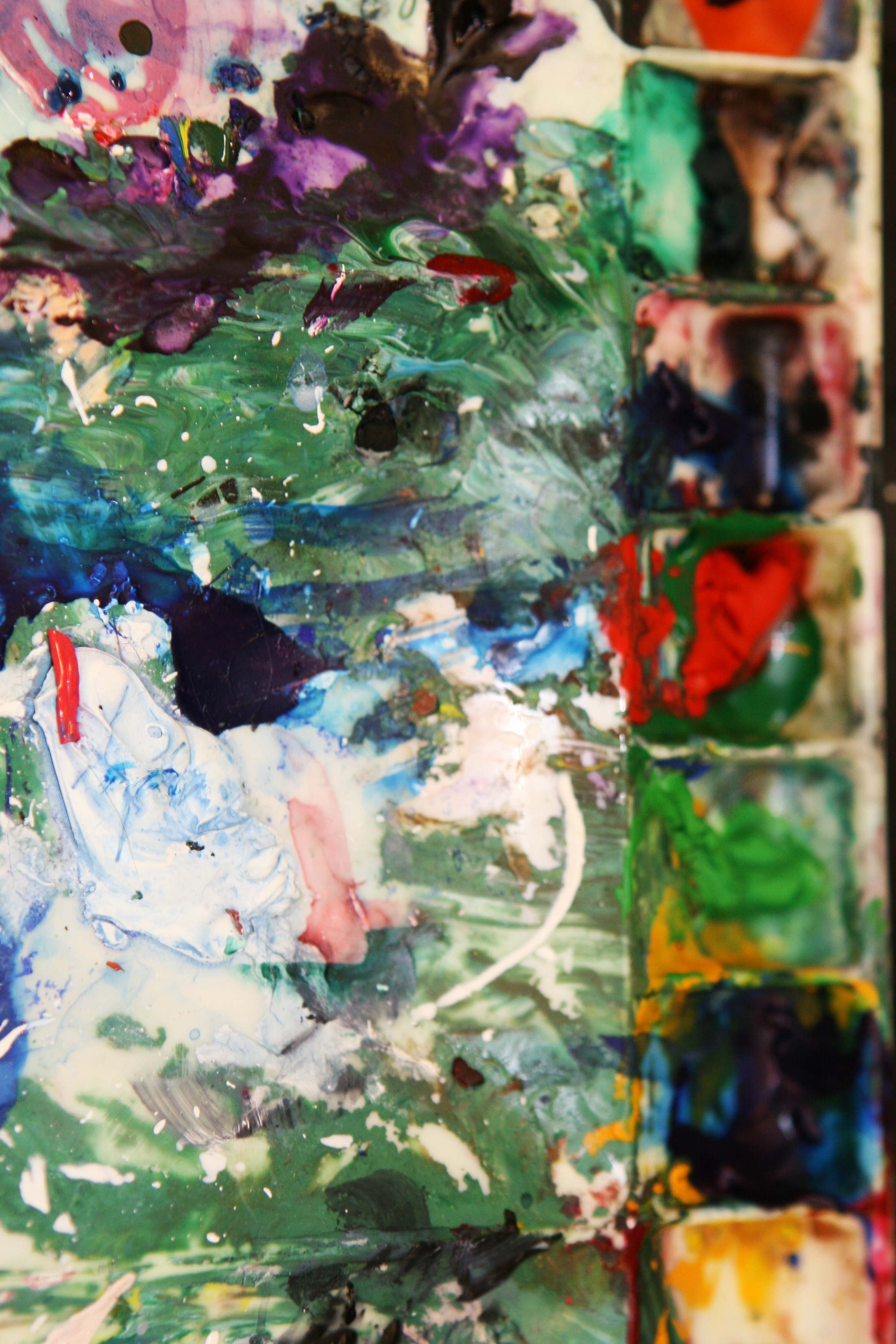
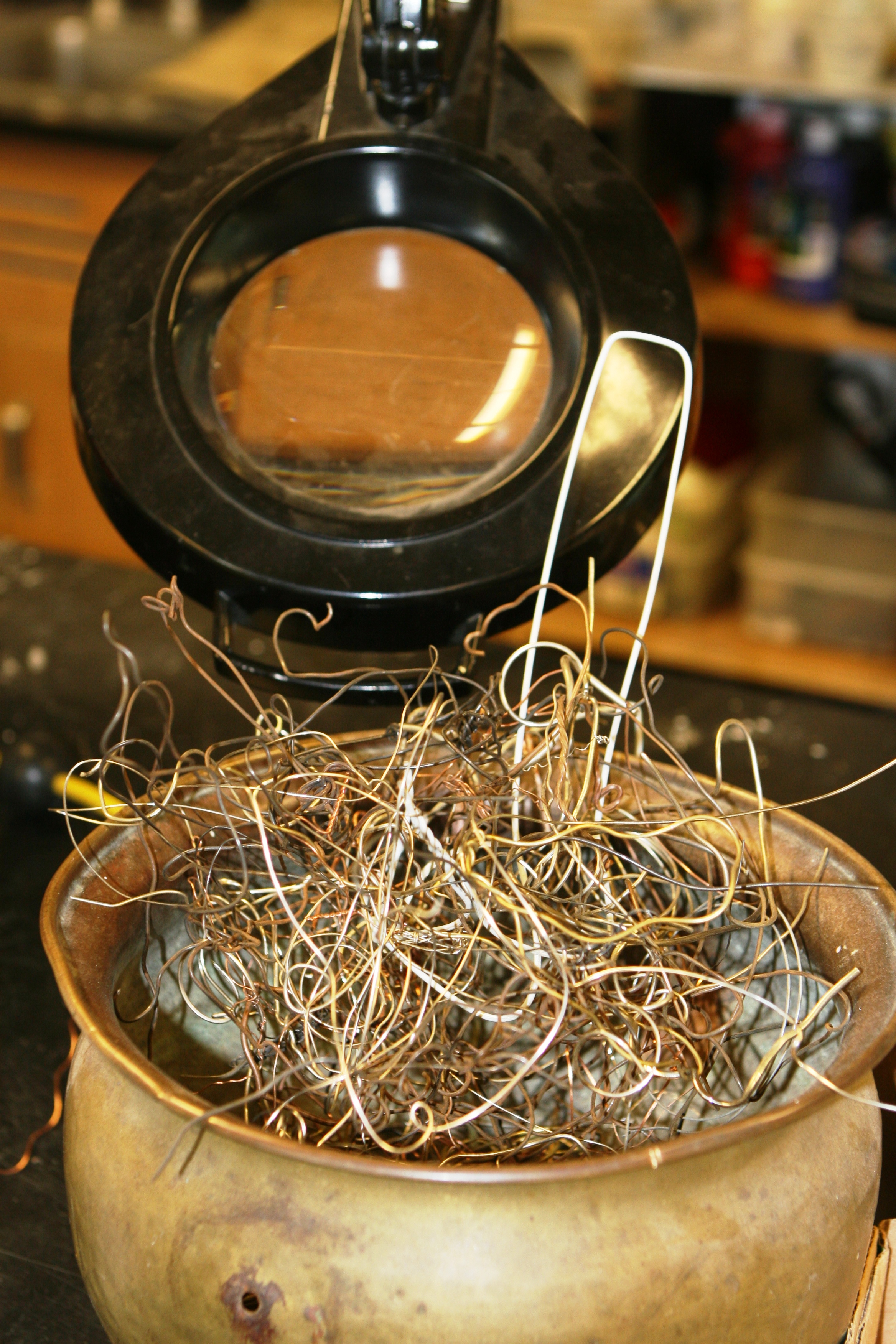
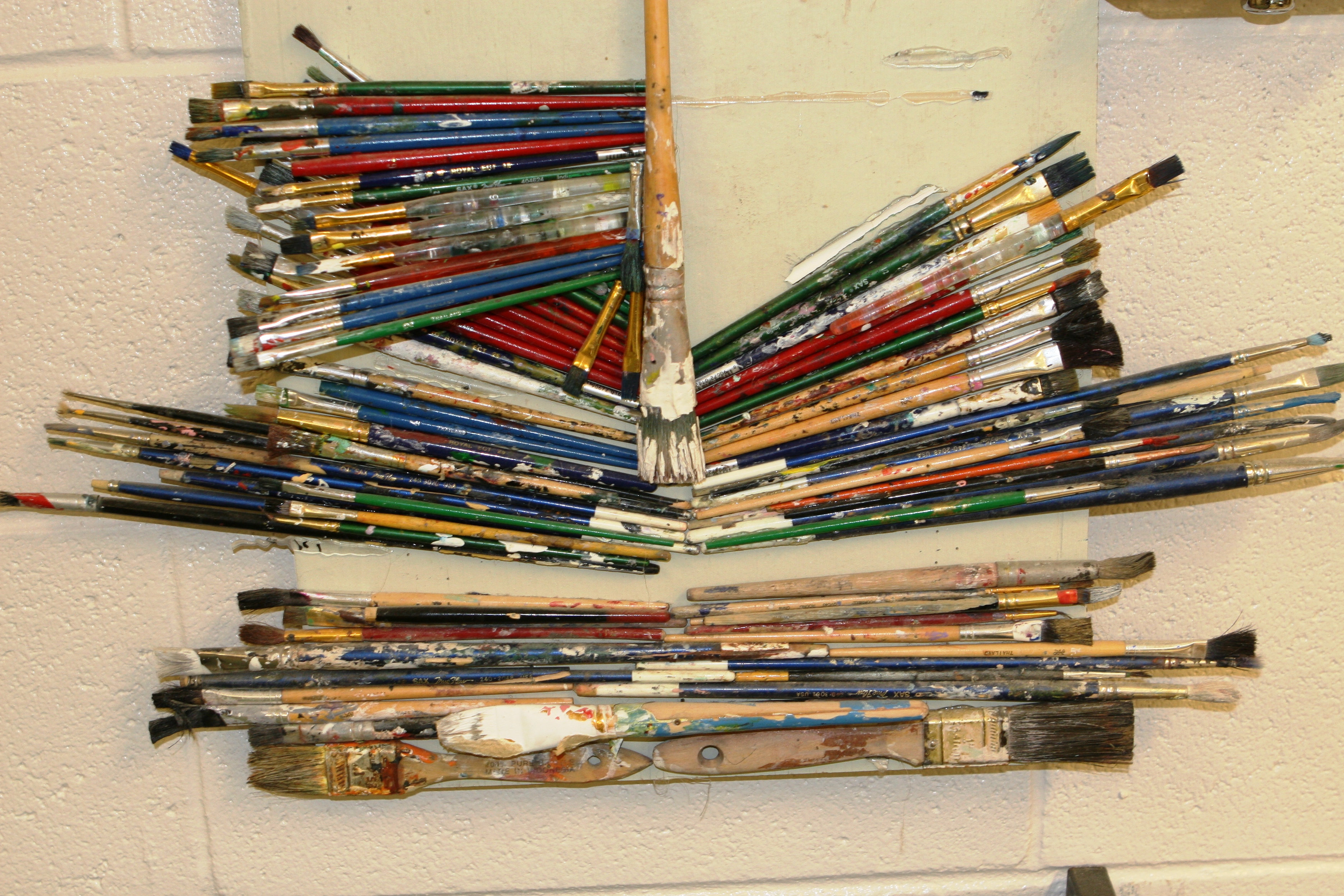
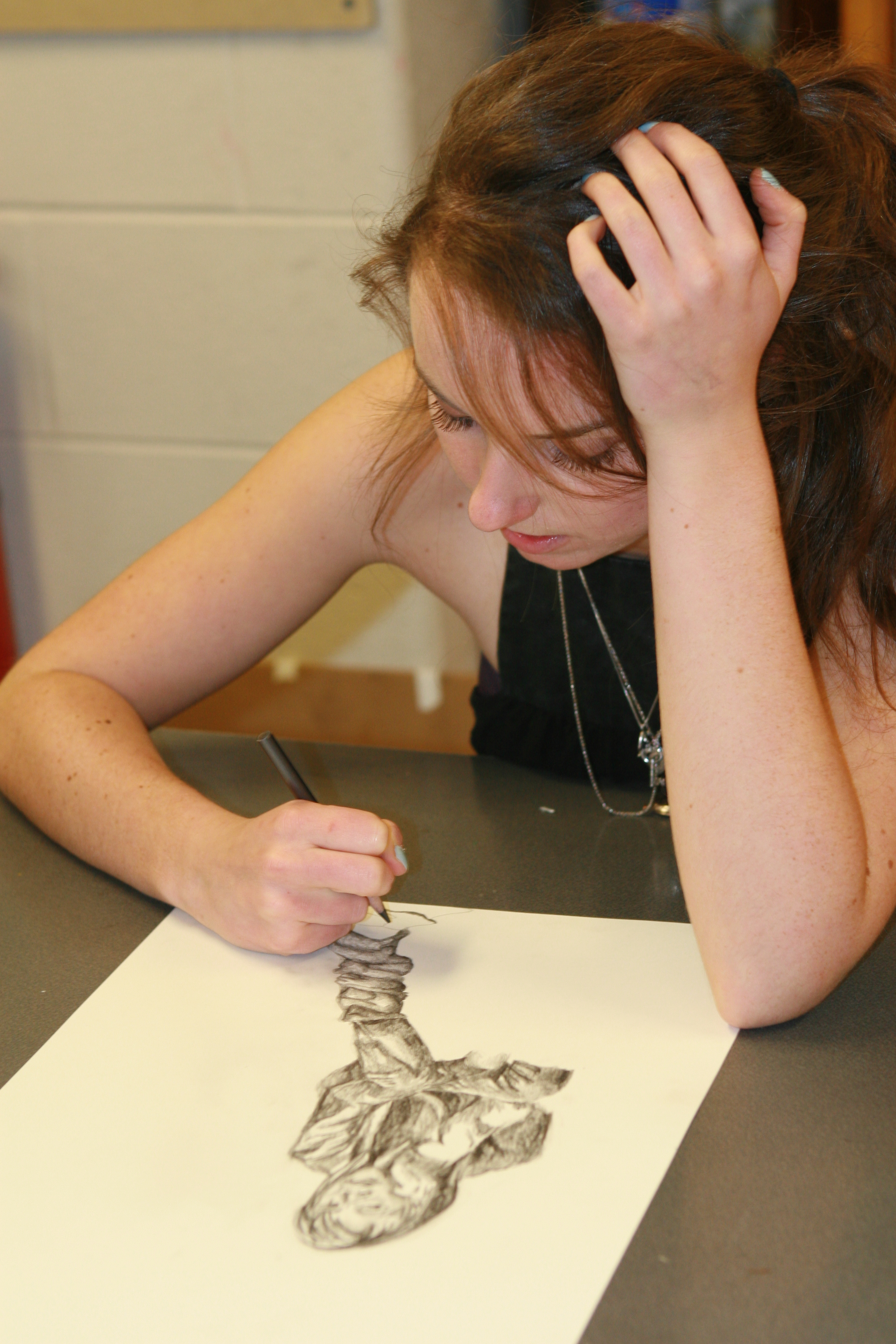
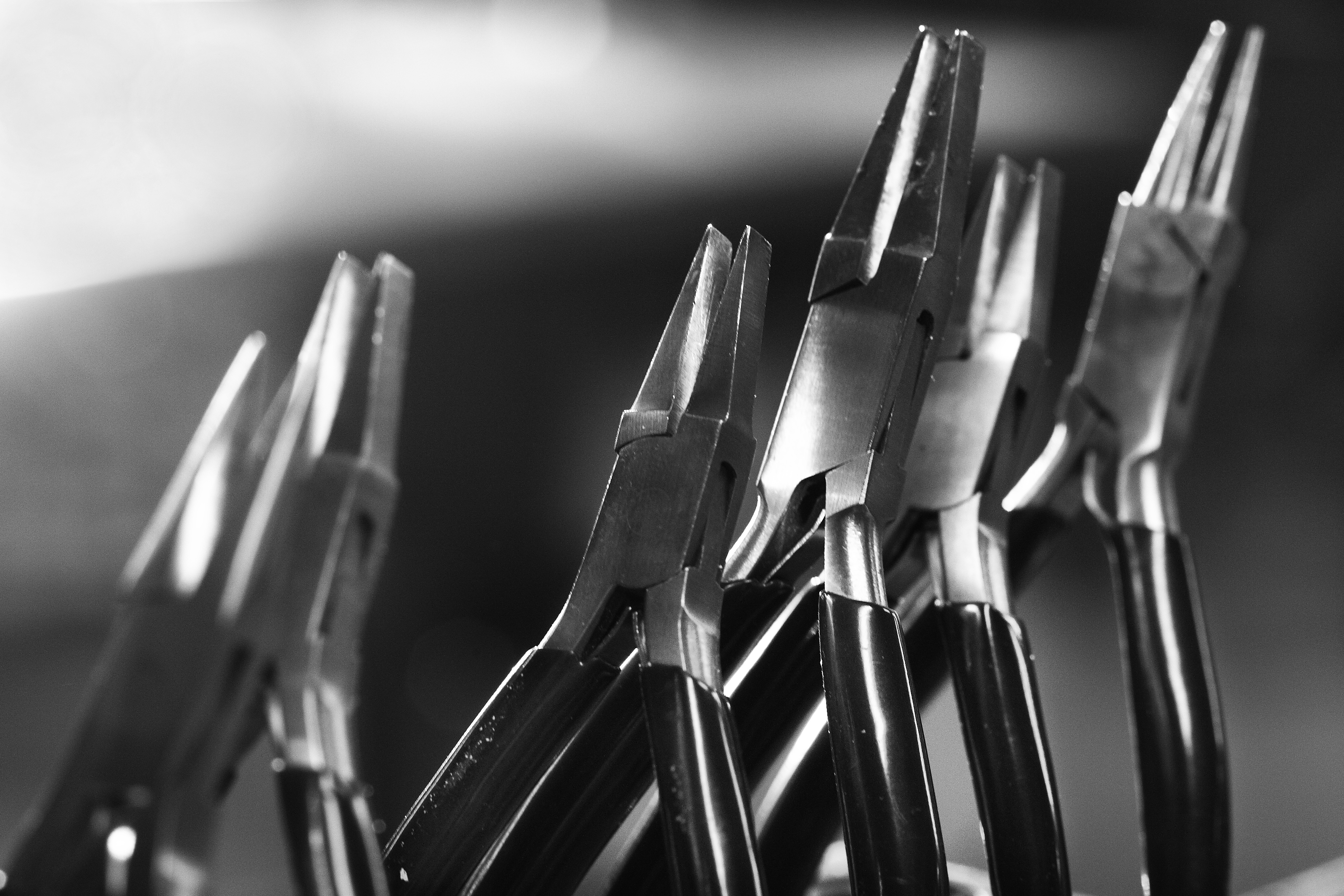
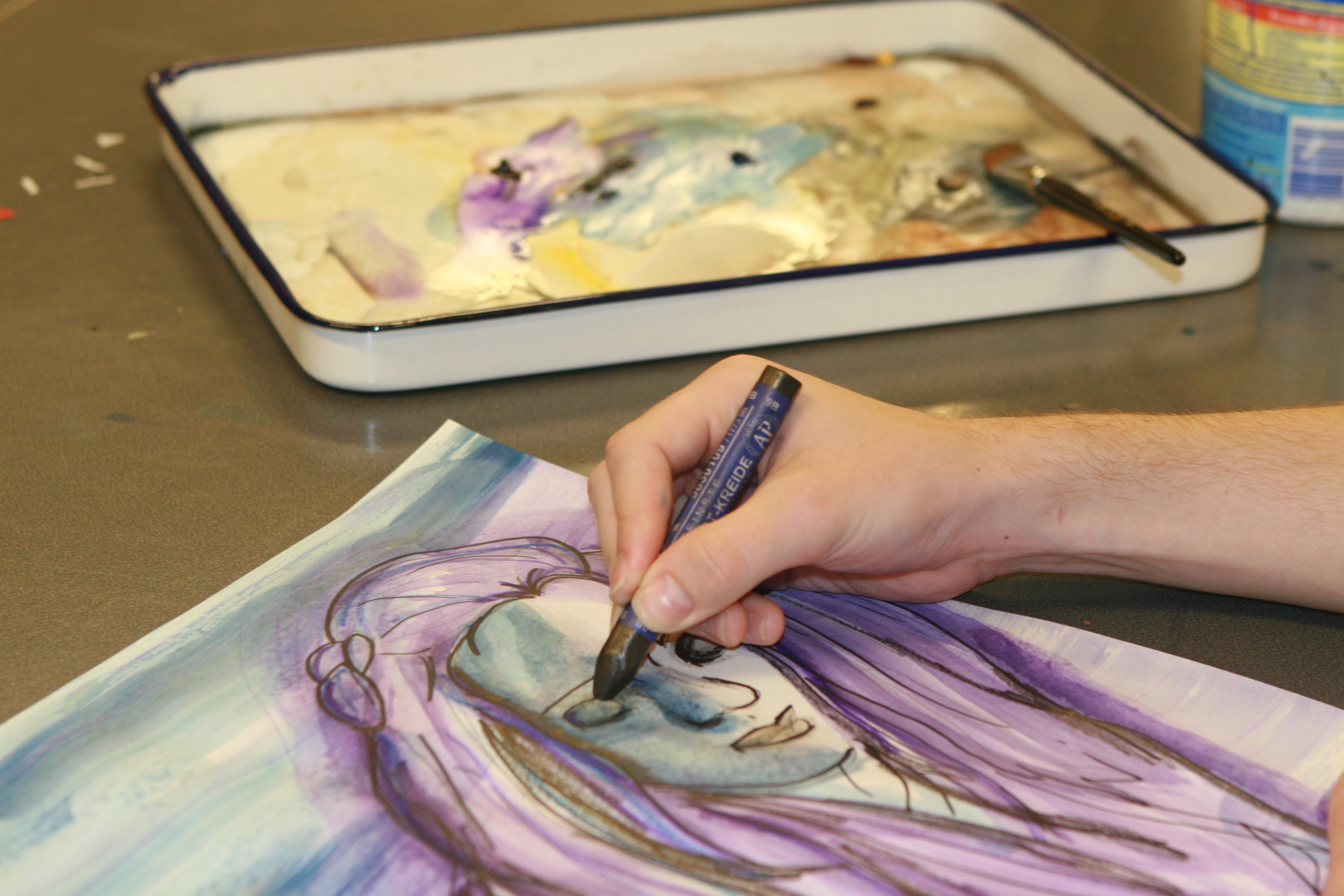
The Fine Arts Boosters asked the AP class to shoot around the department, so that pictures could be offered for sale as a fundraiser; just about everyone in the class contributed to the project. Here are a few of the images (I’ll add more [and credit lines], so check back).
Congratulations to next year’s new members of the
Advanced Placement 2-D Design class:
Annabel Perry
Ben LeCompte
Brianna Yeargin
Caitie Dawson
Chanelle Biangardi
Christina Buerosse
Corey Nguyen
Emma Haney
Erin Dalton
Hailey Anderson
Hailey Featherstone
Jamie Gray
Kulsoom Jafri
Michael Cygan
Michelle Henneberry
Nicole Galanti
Tara Grundy
They join returning artists Kristin Kuhn,
Maggie Kramer, Molly Hendrickson,
Olivia Kottke, Susan Listhartke,
and Zach Schwermer. Welcome in!
http://prosedoctor.blogspot.com/2010/01/explaining-your-project.html comes along just as we are working on current drafts of the commentary for the Concentration section of the AP portfolio; how fortuitous.
http://apcentral.collegeboard.com/apc/members/exam/exam_questions/2134.html will show you sections of admirable portfolios from the past few years. You can see Quality samples, Concentration samples and Breadth samples, and read Commentaries and rationales for the College Board scores, scoring guidelines and more.
Happy holidays to all, from hours-old Isaac to SteveandGinger.

Now, to re-capitulate what’s up in class: some of you are shooting sleep-related pictures (see the earlier post “Perchance” to begin brainstorming) or shooting that project again out of dissatisfaction with your negatives; bully, I say. One or two amongst the AP roster are finishing/continuing with “Layers” and the long-term port-buddy project.
‘Twould be prudent to re-consider the content of earlier posts “JingJingJingJingChingChingChingChing,” “Better Negatives Through Chemistry,” “Build-A-Room,” and “Barbara Crane: Challenging Vision,” especially since that show closes on the 10th, and it’s an excellent opportunity to write a review for Bonus Karma.

Carpe the diem, everyone; carpe the diem.
Here is a small selection from AP’s first deadline:


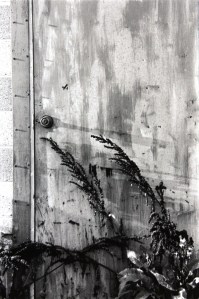
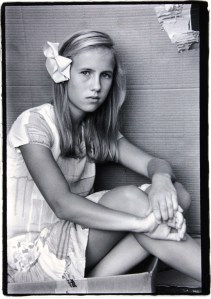
A few more deserve to be here, of course, but for the time being we’d be ever so pleased to receive feedback from fellow student photographers: questions and substantive comments, s’il vous plais.
We just watched “What Remains” in class; now take a look at Sally’s latest pictures (which feature Larry):
http://jmcolberg.com/weblog/2009/08/sally_mann_proud_flesh.html#more

Don’t be stranglers strangers, now.
 Creative Camerawork