Build an Effective Portfolio

Your portfolio should include at least 10-20 examples of your best and most recent work (usually completed within the last year). It is very important that you conduct research about the schools you are most interested in, and find out what is required within the portfolio.

Personal work and/or work outside the classroom assignments can strengthen the overall portfolio; this demonstrates personal motivation. You should assume complete ownership for the ideas and visual information in each piece. You should also try to use assignments and technical exercises as vehicles to express your own personal ideas, viewpoints, emotions, stylistic approaches and individual ways of working.

Here are suggestions regarding work that could be included in your portfolio.

Breadth: art based on life, objects and general surroundings (when working observationally, you should try to address personal concerns).

Portraiture. A common source for observational work is the self-portrait.

Objects (Still Life). You might locate items that hold some meaning or are visually interesting to use in the work.

The Figure is one of the most traditional subjects utilized throughout the history of art. Working with the human body as subject matter can add a better understanding of formal structure. You can sometimes use the body as a reference point for your ideas.

Landscape, working with both exteriors and interiors to explore depth and spatial relationships.

Personal Work / Thematic Concentration: work based on imagination, personal interests and ideas, and exploration into selected subjects.

The Sketchbook is one of your most important tools as an artist. A sketchbook is your diary/journal. It is not uncommon for a student to include some of their strongest from a sketchbook in an admissions portfolio.

Choice of Medium: some portfolios have a medium concentration (such as photography, graphic design, or digital animation) to emphasize one’s own personal interests.

The Series, or “Body of Work.” Working in a theme or in a series can help you find personal focus, add a sense of cohesiveness, and identify strengths or possible future topics.
Portfolio Context and Arrangement

Think about the portfolio as a written essay: each piece placed in your portfolio is a like sentence in that essay.

Or, think about the portfolio as a musical composition. This can be especially helpful if your work tends to be more expressive or abstract. Try to identify relationships through rhythm, pattern, tone, and color.

Or, think about your portfolio as a solo professional exhibition. Imagine how to arrange the “body” of work for display. What is the first piece you would like the viewer to see? What is the last? Do not just put all the best work in the beginning, or at the end; try to balance your entire portfolio. Attempt to start off strong and end strong.

Just because a school requires a maximum amount or 20 pieces doesn’t mean you might also consider the minimum amount of 10-15 pieces. You do not want to put in “filler” work – work that is unfinished, work that is older than two years, or work that does not relate to the bulk of your portfolio. Including work that you do not feel strongly about can sometimes weaken the overall presentation. You want to make the best impact that you can.
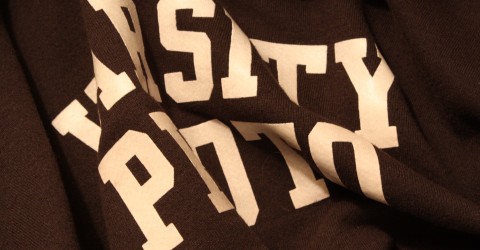
Varsity Photo Hoodies: An Aperture of Opportunity

For one time only, and for AP alumni only: $25.00 for the (shudder) “classic” Varsity Photo black zip-up hoodie. Glow-in-the-dark legend on the back; aperture over the left breast (not your choice, but probably different from everyone else’s); it’s the design that has been preferred by the last four or five classes. This offer simply exists because a number of Photo Devotos expressed a willingness to do so, and a bulk order will keep the non-profit price stable at $25. You e-mail me for the arrangements; you pay up front; you pick it up yourself (probably).

I gotta hear from you the week of the Columbus Day holiday, because that’s when the order will be placed. Carpe the diem, cats.

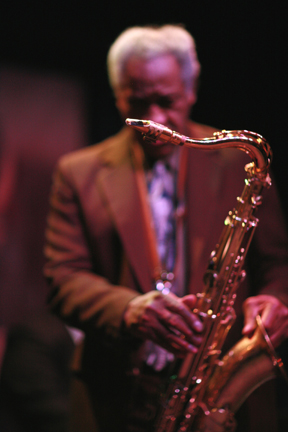
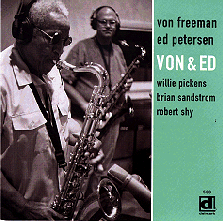
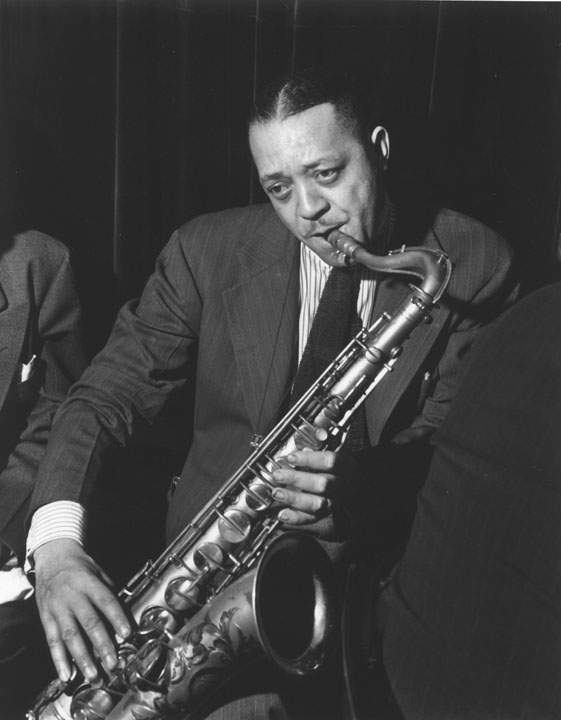
Earl Lavon Freeman is 88!

http://www.youtube.com/watch?v=Y1HAWuRo-2s

http://www.youtube.com/watch?v=mf0Ct5TDPLU

Listen: listen to Von.

MoCP Lectures

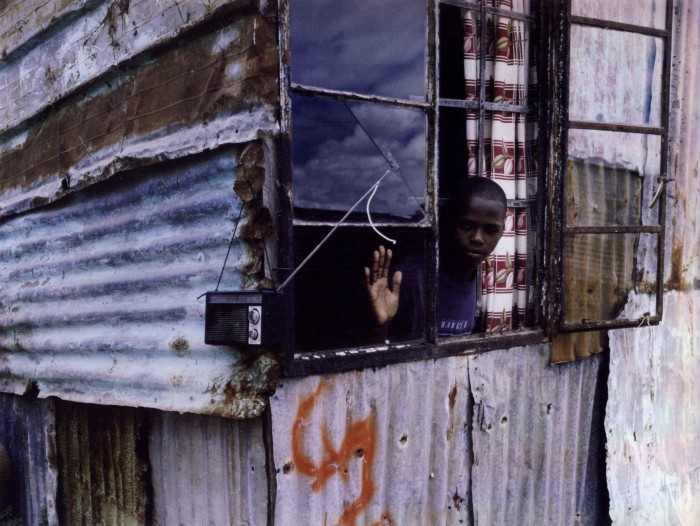
“Friend” (sign up for) the facebook feed from Columbia College regarding their lecture series. Three photographers feature their stimulating work every semester; the next free event showcases Zwelethu Mthethwa on Thursday, October 14. Contact me for the particulars if you wish (that means how to get there), and commingle with the HGFOS.

http://www.facebook.com/#!/pages/LECTURES-IN-PHOTOGRAPHY-COLUMBIA-COLLEGE-CHICAGO-PHOTOGRAPHY-DEPARTMENT/130587756916?ref=ts

(“Befriend?”)

May, 2010

Second hour:

Recent Findings

Just as our friends and colleagues cannot be expected to keep up with all that fills our lives, so it is with art that gets buried by all that follows it. Things are set aside and, ultimately, forgotten. Later, some of these things appear to re-appear, and we get to celebrate and to rewrite history.

http://artobserved.com/2010/09/ao-news-summary-madrid-breugels-41st-painting-one-of-his-largest-discovered-at-prado-museum/

http://www.nytimes.com/2010/08/17/arts/music/17jazz.html?ref=music

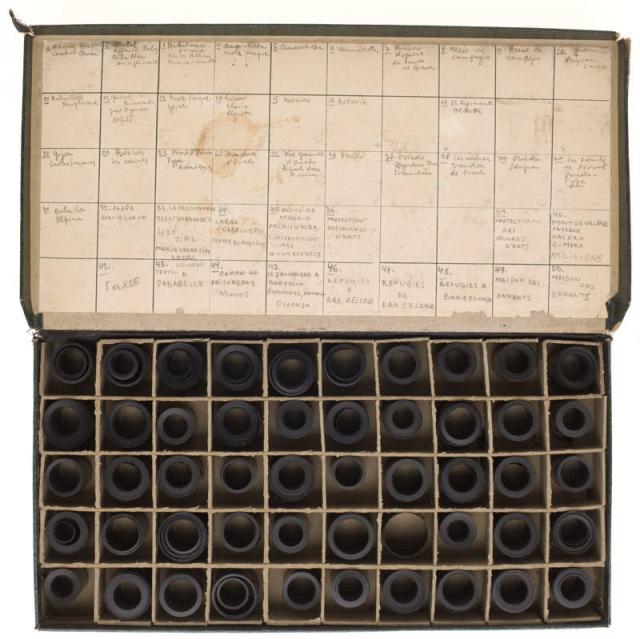
If you’ve been following the history of photography (or this blawwg), you already know that this is the point of this post:

http://museum.icp.org/mexican_suitcase/

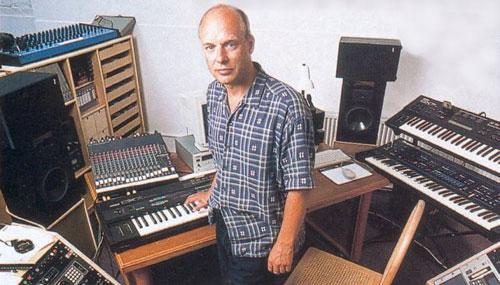
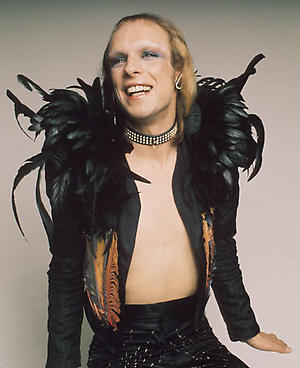
W. o’ W.: Brian Eno

“The trouble begins with a design philosophy that equates ‘more options’ with ‘greater freedom.’ Designers struggle endlessly with a problem that is almost nonexistent for users: ‘How do we pack the maximum number of options into the minimum space and price?’ In my experience, the instruments and tools that endure (because they are loved by their users) have limited options.

“When you use familiar tools, you draw upon a long cultural conversation – a whole shared history of usage – as your backdrop, as the canvas to juxtapose your work. The deeper and more widely shared the conversation, the more subtle its inflections can be. This is the revenge of traditional media. Even the ‘weaknesses’ or the limits of these tools become part of the vocabulary of culture. I’m thinking of such stuff as Marshall guitar amps and black-and-white film – what was once thought most undesirable about these tools became their cherished trademark.

“Although designers continue to dream of ‘transparency’ – technologies that just do their job without making their presence felt – both creators and audiences actually like technologies with ‘personality.’ A personality is something with which you can have a relationship. Which is why people return to pencils, violins, and the same three guitar chords.”

Read the entire piece here: http://www.wired.com/wired/archive/7.01/eno.html

Artists continue to be workers

Luke DuBois: “While working on the project, I discovered a few things. One is that I have five or six techniques that, when left to my own devices, I fall back on as compositional habits. I like to stretch and compress pre-existing recordings to see what a radical shift in time-scale does to a familiar piece of music. I find myself drawn to physics equations, mapping their results into musical parameters of pitch and rhythm. I also like to compose with random sets of musical probabilities, drawn either from my imagination or from the analysis of existing music. Failing that, I enjoy making a huge racket with field recordings run through different computer algorithms that splice, dice, distort, and otherwise mangle the original. So part of the challenge was avoiding my comfort zone of repetitive practice; with 365 pieces to make and no real expected listenership outside of my friends in my various creative communities, I felt, for the first time in years, that I could experiment and fail. So mixed in with the sonic time lapses of American folk songs, granulated recordings of home appliances, and musical deconstructions of film scores, I found myself making well-intentioned stabs at electronica, incidental music for contemporary dance, and long-form synthesizer pieces based on tracings of Kandinsky drawings. I even cover an Alex Chilton song. I can’t guarantee that all (or any) of this is good music, but I invite you to judge for yourself. Over the course of the year I wrote 72 hours of it, so there’s plenty for everyone’s taste. If you listen to every piece and still hate all of it, I’ll gladly give you a refund.

“The second (and more important) thing I learned was that, within a few months, making music every day became not only second nature, but a necessary part of my routine, like a morning coffee or remembering to feed my cat. By six months in, it had become my favorite thing to do; the only hour or two of guaranteed privacy I would allow myself, to focus on something that I really enjoyed. What at first was mainly anxiety and stress, as I feared I had walked straight into an impossible, pointless, and irritatingly Hemingway-esque routine which threatened to derail all the other things I had going on, fell away and was replaced with a different anxiety and stress: now that I’m turning [older], what will I do each day, instead?”

http://opinionator.blogs.nytimes.com/2010/09/09/a-year-in-mp3s/?h

http://cycling74.com/2007/04/27/a-video-and-text-interview-with-luke-dubois-educator-and-musician/

Links, Refreshed

Our links, over there on the right, hold treasures beyond one’s wildest speculations. The following contain recent updates:

http://seeingfromhearing.blogspot.com/

http://blog.amandahein.com/

http://nineteenfiftyfour.org/

http://claudiainscotland.blogspot.com/

http://danielleleigh-wtf.tumblr.com/

http://www.jackedinger.com/

http://365project.org/klphoto/365

http://kateharding.info/

http://katiethompsonphotography.com/

http://www.me-go.net/rtw/blog/

http://murachphotography.t83.net/#

http://www.aphotostudent.com/

http://www.nateazark.com/

http://collegereviewbyj-cat.blogspot.com/

Teen– um, “Young Adult” Art @ BAL

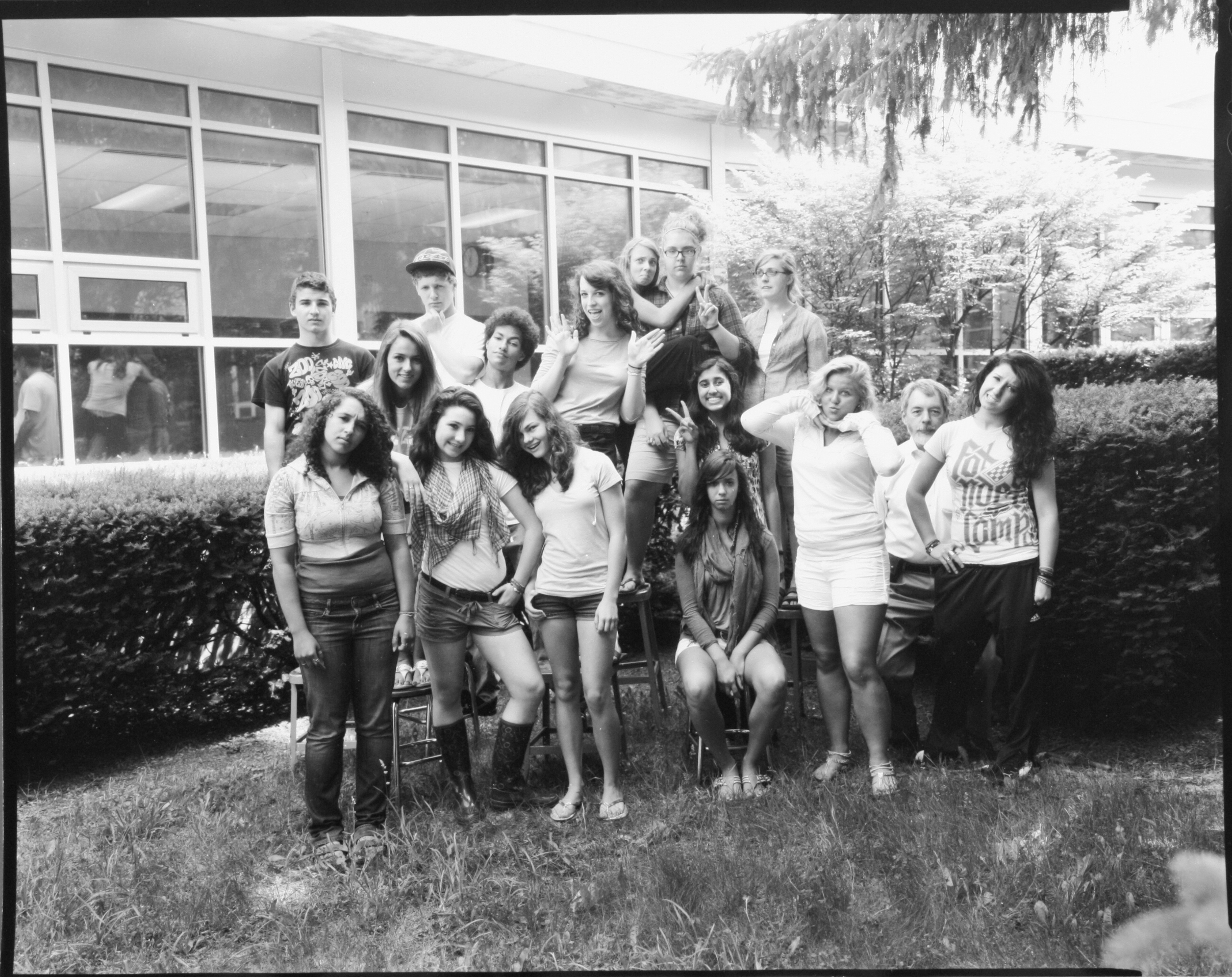
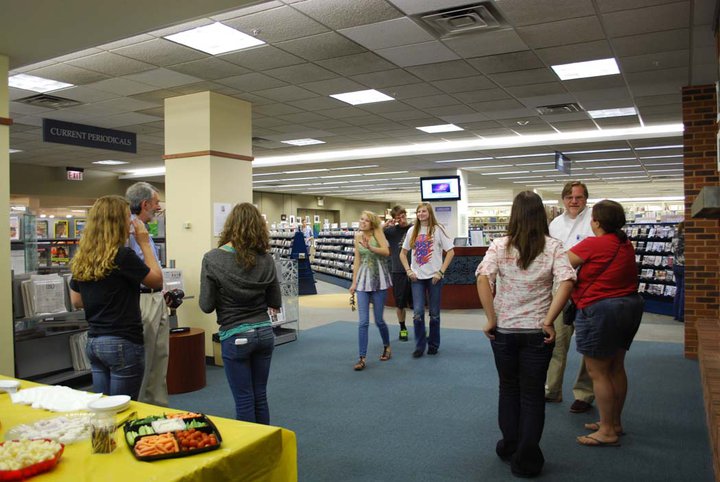
The work of twenty-one Photo Devotos comprise 60% of the library’s Young Adult Art Show! Featured artists include Chanelle Biangardi, Nina Blinick, Christina Buerosse, Mike Cygan, Nicole Galanti, Emma Haney, Molly Hendrickson, Michelle Henneberry, Maggie Kramer, and Olivia Kottke.

Honorable Mentions were awarded to Hailey Anderson, Kristin Kuhn, Corey Nguyen, Annabel Perry, and Danielius Ulitinas. Jack Foersterling and Caitie Dawson both received Bronze recognition, and Vanessa Ysais got a “Silver Certificate.”

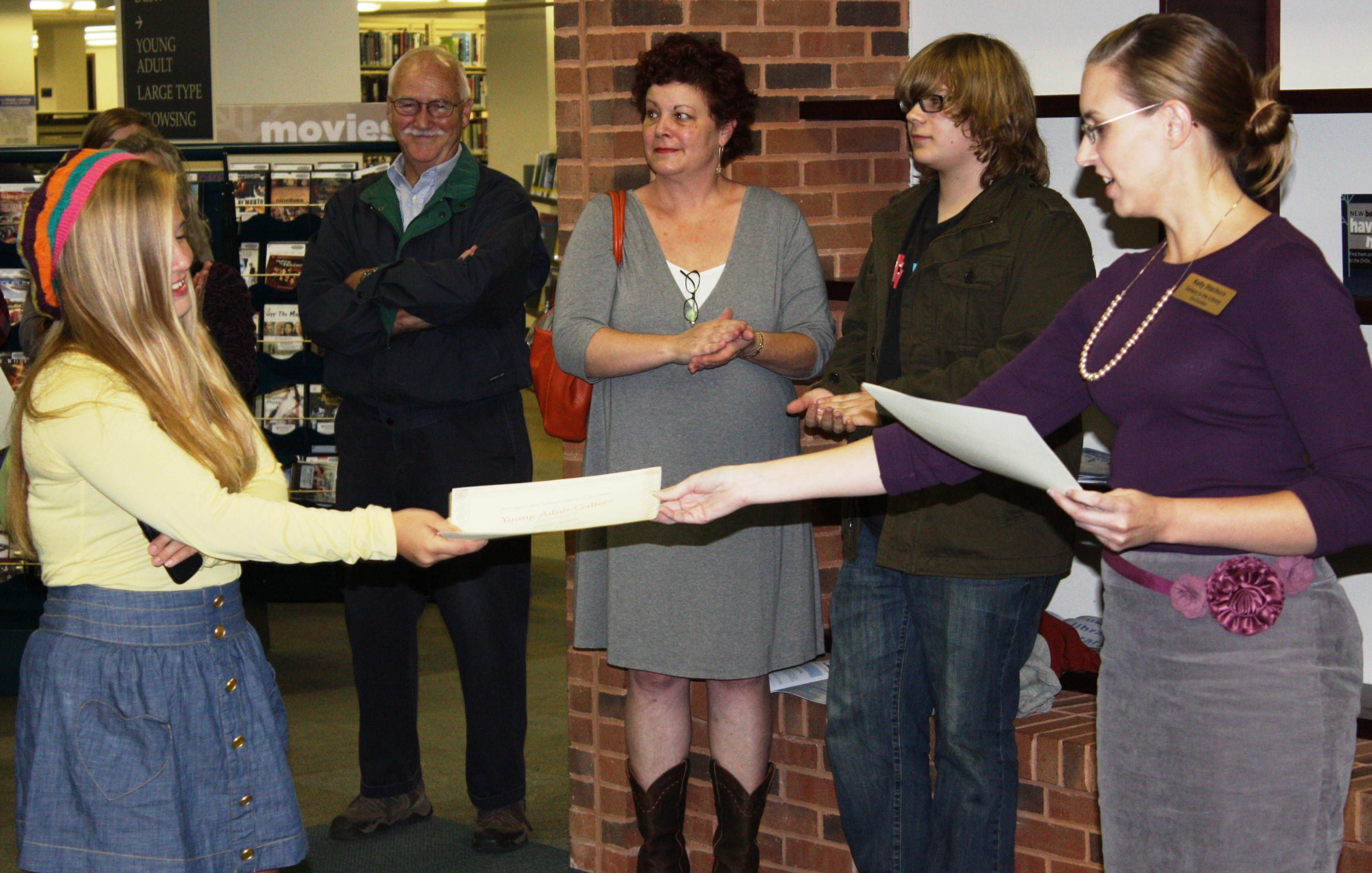
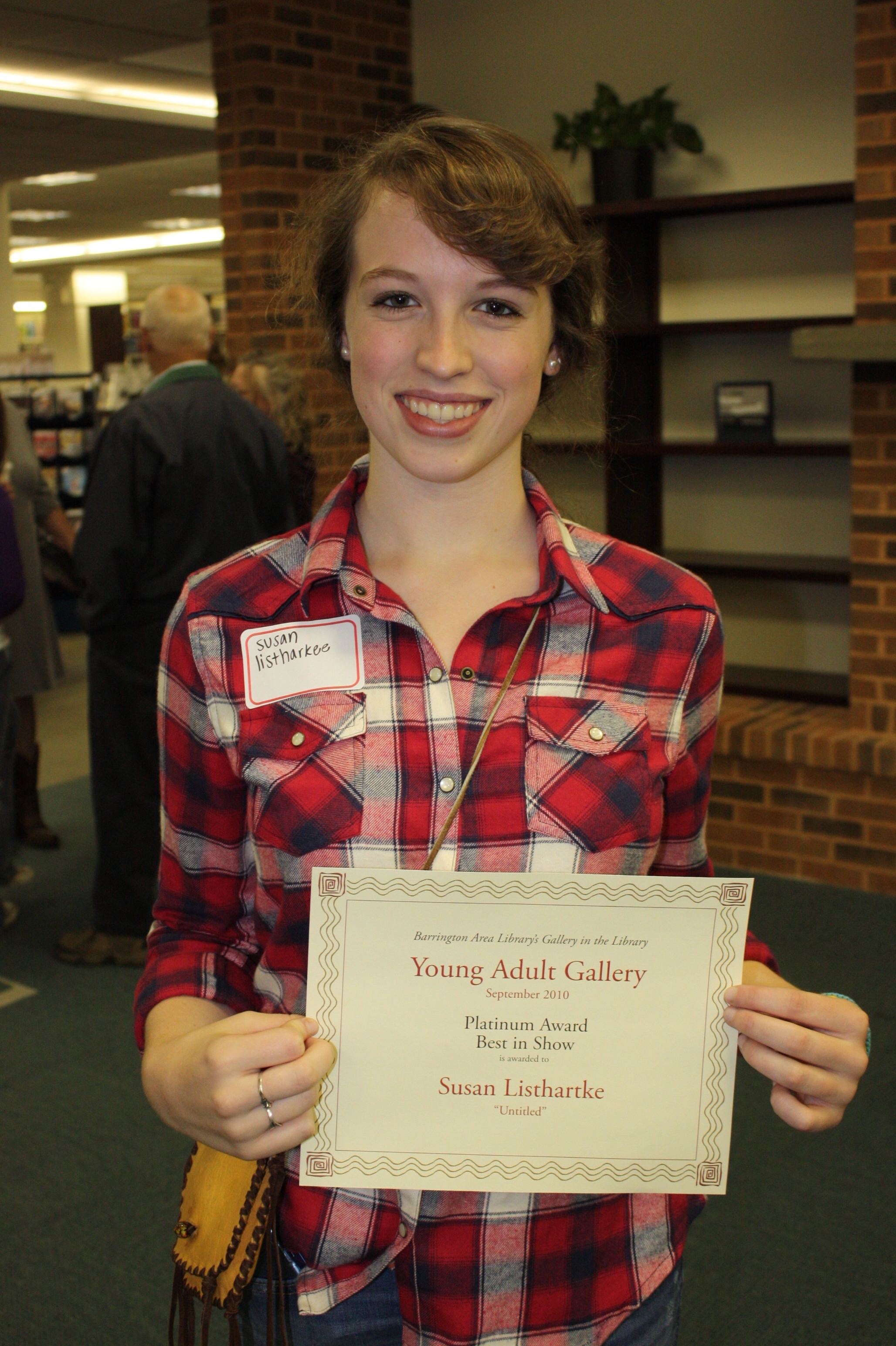
Hailey Featherstone got Gold (and Bronze); Rachel Parker arrived right after winning Gold and Silver. Susan Listhartke was awarded a Platinum prize and was named Best In Show.

(Celebrity impersonator.)

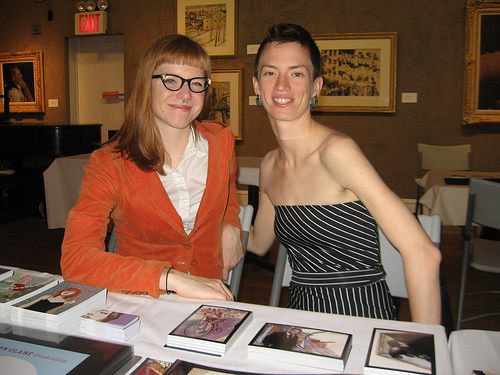
(Actual Best In Show winner, left; Kelly Stachura, right; people, in background.)

Everyone thanks judges Kelly Stachura and Lisa Swarbrick, very much. The show remains on display during library hours until September 19th. Go, and have an unexpected conversation with a fellow citizen.