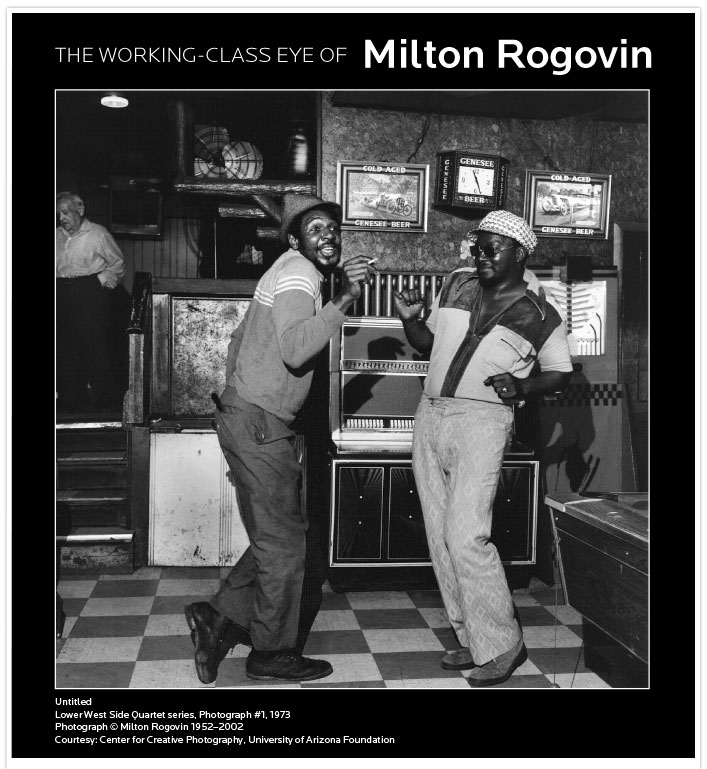
“Photography is light hitting an object. So if you scout something, when you go back the next day — or three days after — the light is not going to hit that object in the same way.”
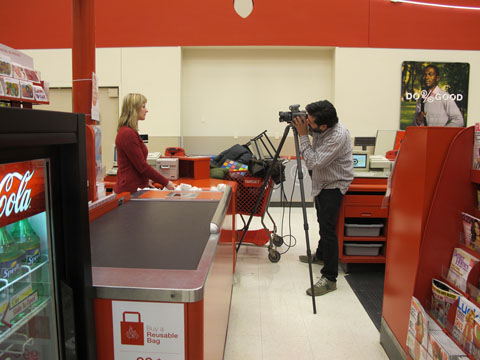
“Photography is light hitting an object. So if you scout something, when you go back the next day — or three days after — the light is not going to hit that object in the same way.”
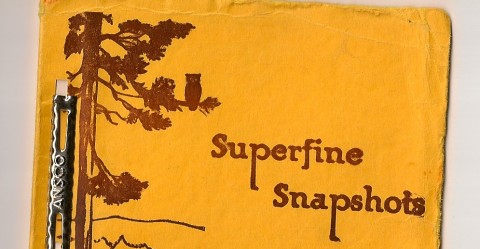
” The Ann Arbor Area Crappy Camera Club is a democratically based group of photographers who share some common interests. They are all using silver halide photography to make images. This means using film to express their various views of the world. The crappy camera moniker refers to cameras that to others may seem outmoded or obsolete. Devices such as old box cameras, toy cameras, Polaroid cameras, pinhole and zone plate cameras are a few examples.
“Many are into alternative processes such as cross-processing film, various printing methods like lith printing, salt printing and others which can be discovered and rediscovered. Some really enjoy using outdated film and paper just to see what whacked images they can get out of them. It’s always a surprise. These people get a thrill out of this kind of thing.”
A Manifesto
At this moment in history, the technical aspects of photography are receiving unprecedented attention. New cameras of amazing sophistication are breathlessly analyzed by photo magazines and websites. Photographers are draining their bank accounts attempting to keep up with equipment purchases.
But a few photographers are reacting against this conspicuous consumption and rampant technophilia.
The essence of photography – to place a particular frame around the world at a particular moment – remains unchanged. So some choose to pursue this act in the rawest possible way: by using the most obsolete, flawed, and low-tech cameras available. Most were created as economy snapshot cameras, some even as toys. Many are decades old. All share very limited controls, and optics of questionable quality; sometimes a mere pinhole.
The toy-camera aesthetic turns its back on sterile technical perfection. Instead it celebrates the
messy unpredictability and dreamlike imagery that only a truly rotten camera can provide.
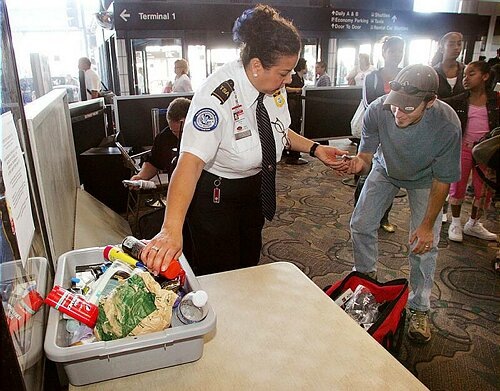
“Annoying the TSA is not a crime,” the blog post states.

http://www.dhs.gov/files/programs/ntas.shtm
“Photography is not a crime.
You have the right to fly without ID, and to photograph, film, and record what happens.”
http://www.theregister.co.uk/2011/01/25/passenger_acquitted/
Blake Andrews: “Spending time in front of a screen editing images seems to be the way of photography nowadays. For my last few shows I haven’t even made prints. I’ve just sent someone a file. It’s Photoshop this, Facebook that, Flickr the other thing. Here I am this morning, typing this. Sometimes it’s hard to remember the joy of daily practice, just walking by a river on a nice day with a camera.”
OTOH: http://www.eugenegrid.org/pages/about.html



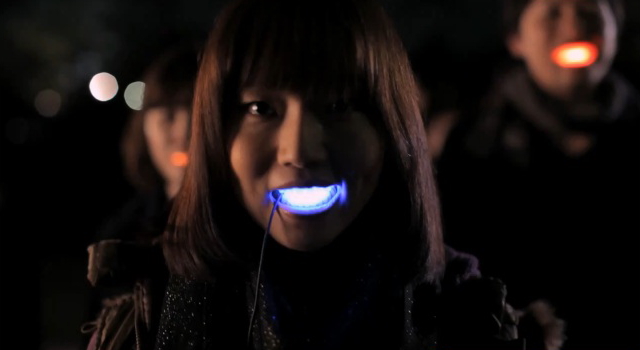
Brighter than iPods…
More menacing than radiating cell phones…
As senseless as phosphorescent hoodies. It’s every printer for herself from now on.
http://www.youtube.com/watch?v=QsWc58zmBKI
(Good luck controlling your neighbors’ highlights.)
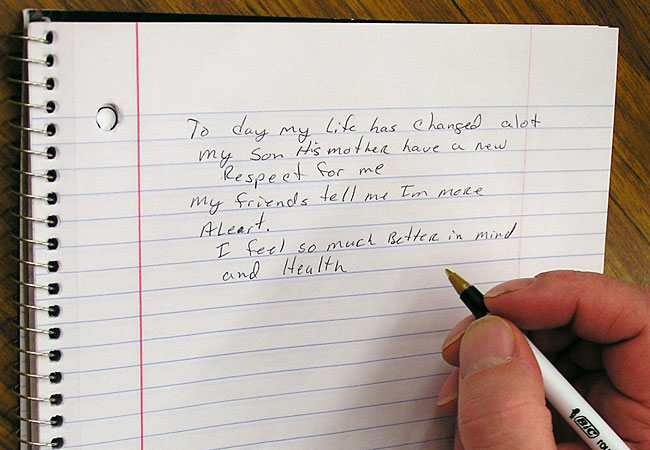
Bring things to the final: at the least, paper and a pencil; a laptop & jump drive, max. Prepare whatever notes you wish, from which to work on your concentration commentary. Here are some examples:
http://apcentral.collegeboard.com/apc/members/exam/exam_questions/200762.html
…or for 123 years and counting, anyway.
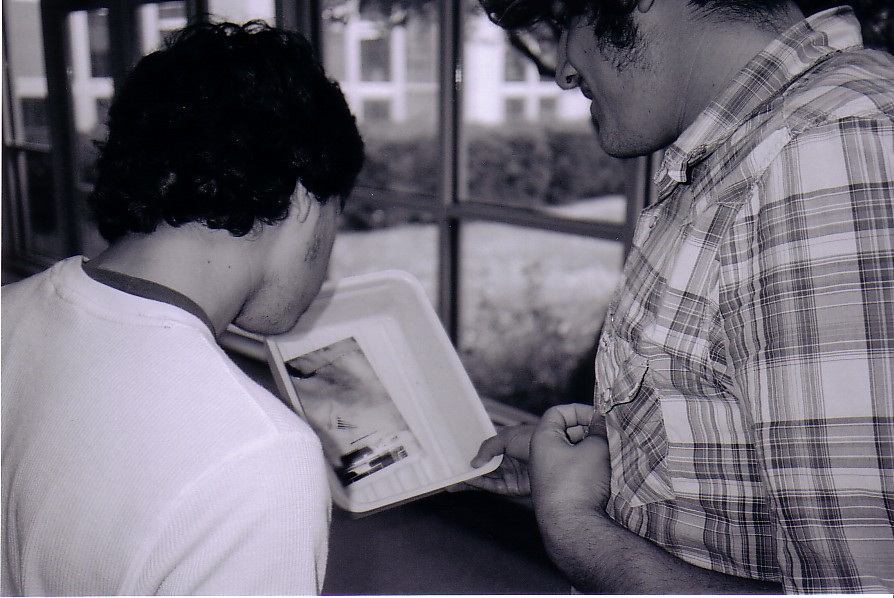
Here is our course description, virtually verbatim from the course catalogue:
“Creative camerawork with light-sensitive emulsions is at the core of this semester-long course. Students become familiar with the process and aesthetic considerations of the medium, beginning with basic technical instruction and problem-solving methods for black-and-white film photography. Camera operation, film processing, printmaking and presentation are the main areas of concentration. (Students must provide their own film cameras.) Student essays and reviews deal with contemporary issues as well as the history of the medium, in addition to work in the darkroom. In successive semesters, students investigate the concept of fine print, experiment with a variety of materials, and employ more extensive manipulation of images. Evaluation is based on effort and progress; continuing study assumes mastery of tools, materials and processes. The lab fee is $60.00; there are additional expenses for film, papers and field trips.”
Necessary gear? See https://photodevoto.wordpress.com/2010/01/25/choice-camera-choices-for-class/
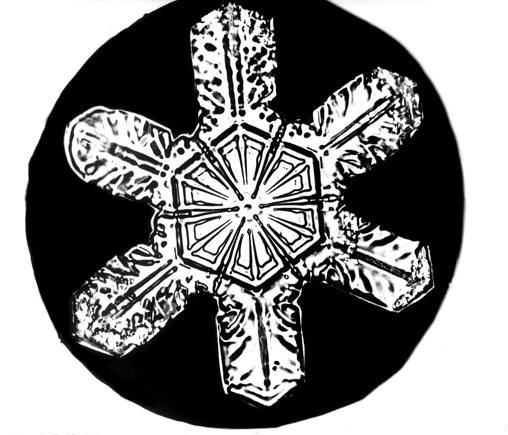


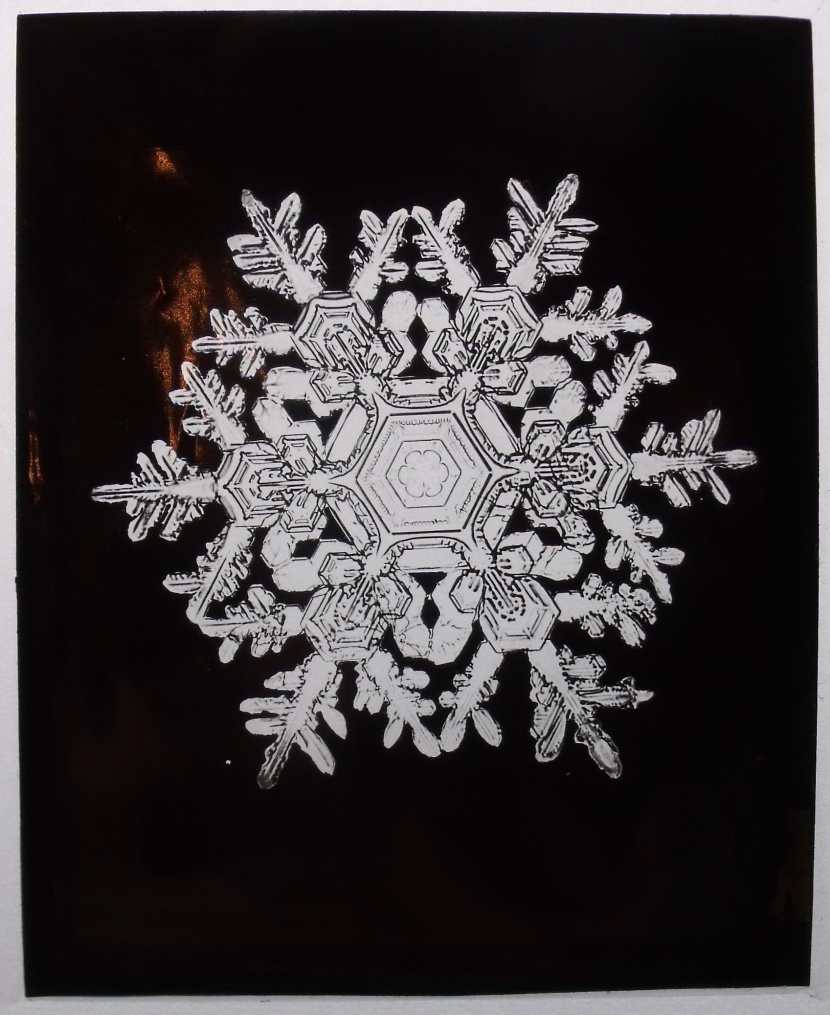




 Creative Camerawork