“Design education must, by its nature, dig below the surface, and must at the outset be more concerned to clarify intentions than to get results. If it is sensible to see learning and understanding as rooted in the continuum of life, it may be that a really useful introductory course will only show its value in the full context of subsequent experience; i.e. several years afterwards. Conversely, an education that concentrates on short-term results may give a misleading sense of achievement and fail to provide an adequate foundation for subsequent growth. This is a thorny problem, because under the pressurized and success-conscious conditions in which we live, students are naturally anxious to prove themselves as rapidly as possible (to themselves and their contemporaries and teachers). Something as intangible as the gowth of understanding may seem a poor substitute for the almost measurable achievement marked by a high output of design projects, however specious or thinly considered such projects may be.”
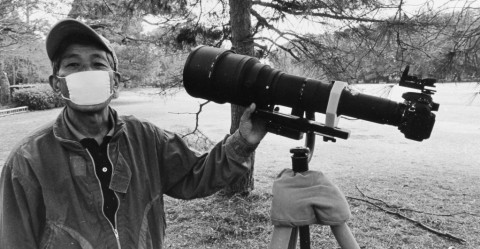
W. o’ W.: Nagisa Oshima
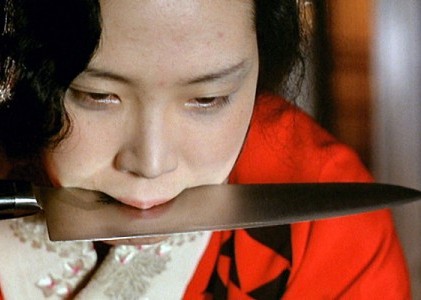
“Nothing that is expressed is obscene. What is obscene is what is hidden.”
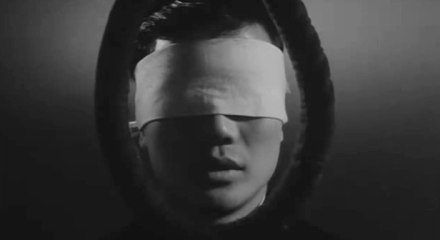
W. o’ W.: Bob Thall, Part Two
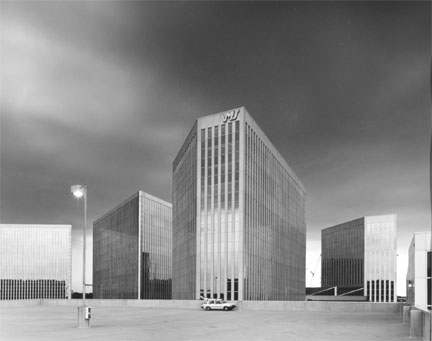
“Any attempt to describe a place is a complicated balancing act for a photographer. First are concerns of fairness, objectivity, and documentary completeness. If one goes too far in the direction of documentation, however, the project becomes an assemblage of new visual facts, the photographs mere illustrations in a catalog of items. Doing this type of work, one tries to create photographs that have integrity, beauty, and resonance as new objects, not just as records. Too much concern with form, though, risk losing the photograph’s connection with the real world. Furthermore, one wants to communicate personal insights. This type of photography, like all art, is most engaging as a statement of opinion, bias, and belief. On the other hand the photographer must be concerned that too much of his or her opinion does not cause the viewer to suspect that the photographs are unreliable, that the photographer has stacked the deck.

“These contradictory concerns, even the very terms “art” and “documentary,” can drive a photographer to distraction. Over many years, I’ve learned to fight this confusion and get down to productive work by thinking of my job in a simple, reductive way. I select a place and spend as much time as possible there, even years, walking and driving and looking for photographs. Initially it’s a haphazard way to come to know an area, but slowly the place reveals itself and I begin to understand what I find most interesting and important. I then try to make pictures, straightforward and factual–looking photographs that distill and exaggerate those aspects.”
W. o’ W.: Frederick Sommer
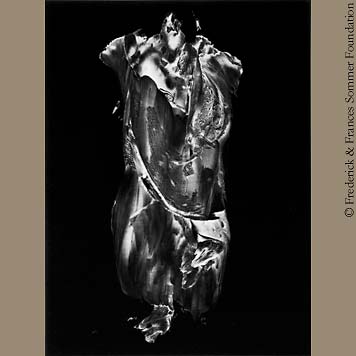
“Circulation of the blood is always circumnavigation of the world. We do not have it in our guts to misplace ourselves in such a way that we are uncomfortable where we go. This, from a photographer’s standpoint, is an important clue. I know now (and should have known earlier) that we are incapable of ever seeing anything new. Consequently, we would never photograph anything unless we have become attentive to it because we already have a part of it within ourselves. As we go around, whether we are painters or photographers, we are only paying attention to those things which already have occupied us, or, better still, are so much a part of us that we lean into the next situation finding that we are already there.”
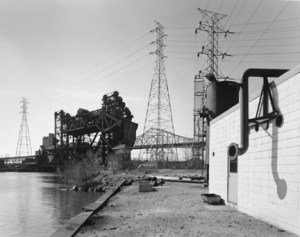
W. o’ W.: Bob Thall
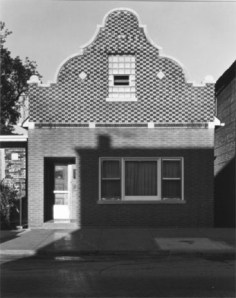
“Any attempt to describe a place is a complicated balancing act for a photographer. First are concerns of fairness, objectivity, and documentary completeness. If one goes too far in the direction of documentation, however, the project becomes an assemblage of new visual facts, the photographs mere illustrations in a catalog of items. Doing this type of work, one tries to create photographs that have integrity, beauty, and resonance as new objects, not just as records. Too much concern with form, though, risks losing the photograph’s connection with the real world. Furthermore, one wants to communicate personal insights. This type of photography, like all art, is most engaging as a statement of opinion, bias, and belief. On the other hand, the photographer must be concerned that too much of his or her opinion does not cause the viewer to suspect that the photographs are unreliable; that the photographer has stacked the deck.
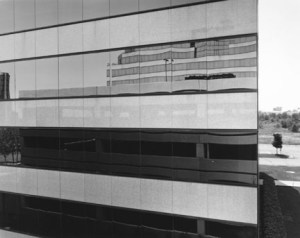
“These contradictory concerns, even the very terms ‘art’ and ‘documentary,’ can drive a photographer to distraction. Over many years, I’ve learned to fight this confusion and get down to productive work by thinking of my job in a simple, reductive way. I select a place and spend as much time as possible there–even years–walking and driving and looking for photographs. Initially, it’s a haphazard way to come to know an area, but slowly the place reveals itself and I begin to understand what I find most interesting and important. I then try to make pictures, straightforward and factual–looking photographs that distill and exaggerate those aspects.”
W. o’ W.: Susan Sontag
“In the journal, I do not just express myself more openly than I could do to any person; I create myself.”

Q. o’ th’ D.: Dave Hickey
…from an interview with Sarah Douglas.

SD: In a lecture in Michigan not too long ago, you talked about the problems inherent in art education—that it’s not something that can actually be taught. The conundrum of grading, for instance. I think you said that in your class one would earn an A for not turning anything in.
Dave Hickey: Well, I think artists should be proud and too cool for school. I told my students in my last class that I always had my TA grade their papers. They asked why I didn’t read their papers. I asked them how much they would enjoy teaching a swimming class where everybody drowned. So, I’m quitting teaching, too, and saving myself from that sort of desolation. Also, I’m too far away. I’m not competent to critique the work of young artists over whom I have so much leverage and experience. It’s like crop dusting with a 747. Bad for the crop and bad for the plane. This doesn’t mean I’m that much better, just that I’m ‘way older. What do you say about a painting or a story by a kid who hasn’t seen a million paintings or read a million books? Also, nobody cares if it’s good, anymore, and everybody hates it when something’s really great.
W. o’ W.: Tom Griggs
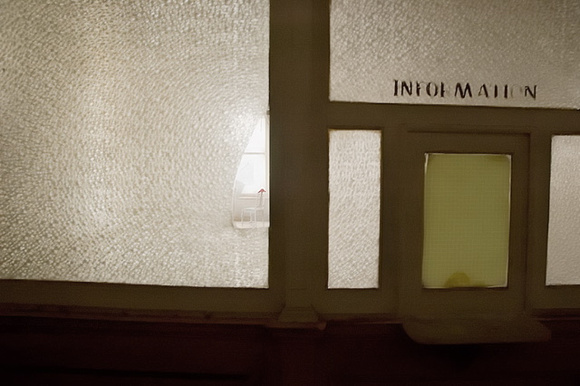
“We are in some sort of photographic Golden Age – the number of photographers today and the quality of images produced, as shown in this exhibition, is unprecedented, even if finding truly new and fresh ideas and territory to explore is increasingly a limited proposition as the medium enters adulthood. I’d just as soon do away with individual names, contests, and the fetishism of certain work. What does it serve beyond the market and egos?”
Q. o’ th’ D. (x 5 or so): Philip Perkis
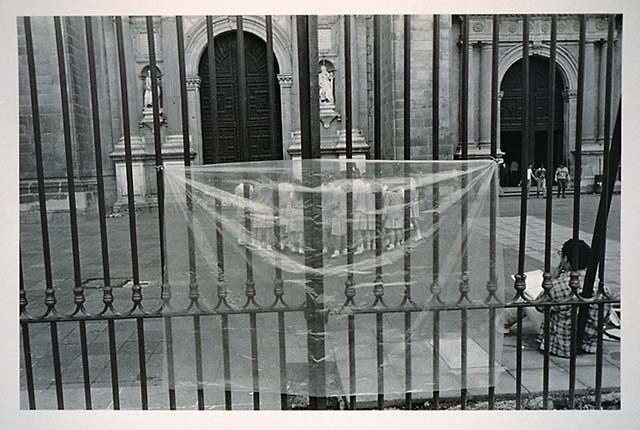
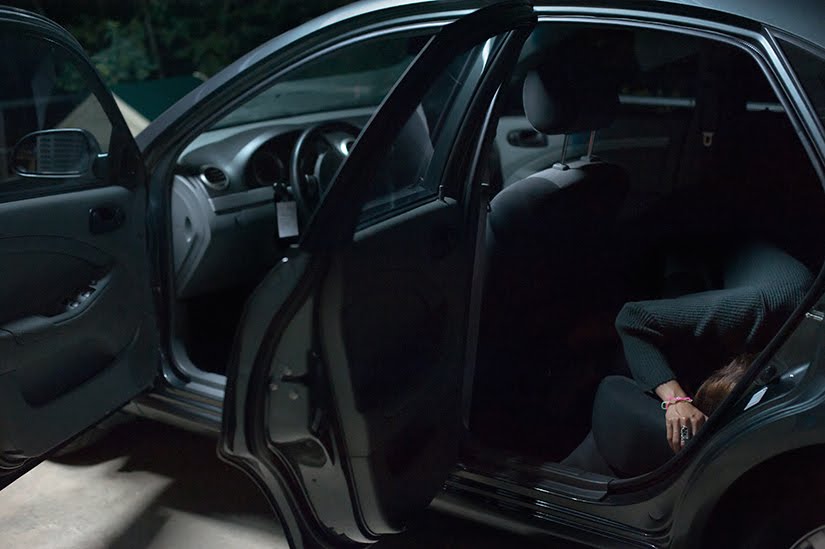
“I’m really interested in the fact that looking can be magic. If my pictures convey that at all, then I’m really successful. My process is so incredibly simple. I really do almost nothing. I just put a camera between me and what I’m looking at and I click it. There’s no technology involved in what I’m doing at all. The magic is in looking. Looking really is a miracle.”

http://savannahnow.com/accent/2010-04-17/photography-philip-perkis-magic-looking#.UFeQrI5dJ_0
 Creative Camerawork