“We spend billons on skin care each year and know much about it. Why not consider film the same way?”
“We spend billons on skin care each year and know much about it. Why not consider film the same way?”
Here’s a clever accessory for the screen on your inferior no-film camera:
http://www.clearviewer.com/Products.html

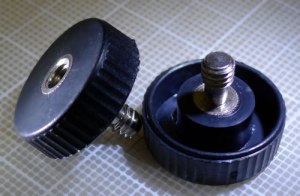
Hear me now and believe me later: nothing says “I heart you” quite like the little Hama and/or generic camera screw, at the same site.
Books, books, books; us Murkins’ is carrazy for Top Ten lists:
http://www.littlebrownmushroom.com/lists/top-10-books-of-2012-by-alec-soth-2/

The last I checked, there were only 14 remaining of the following fun second camera:
http://www.amazon.com/dp/B002YOVF90/ref=nosim/kkorg-20

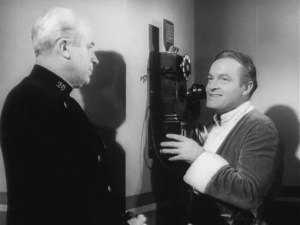
Lastly for now, treat yourself to some forties/fifties holiday froth: “The Lemon Drop Kid,” starring Leslie Townes “Bob” Hope!
http://www.youtube.com/watch?v=Nv_WZJPbWcc
“Ralph Gibson uses Andreas Feininger’s tray, Abe Frajndlich uses Minor White’s, and John Coplans’ tray is used by Amanda Means. The tradition of darkroom printing carries on, regardless of the arguments surrounding it and its supposed demise.”
I inherited an armload of items from Mrs. D.’s uncle, and I have a precious one-of-a-kind film drying…device… from Eileen Weber. On occasion, when donations to the Huge School darkroom arrive, we see fit to bequeath sundry pieces to diehard devotos who’ll give ’em a good home.
Richard Learoyd used a 19th century lens loaned to him from a portrait camera in Thomas Joshua Cooper’s office at the Glasgow School of Art.

http://blakeandrews.blogspot.com/#!/2012/11/camera-as-artifact.html
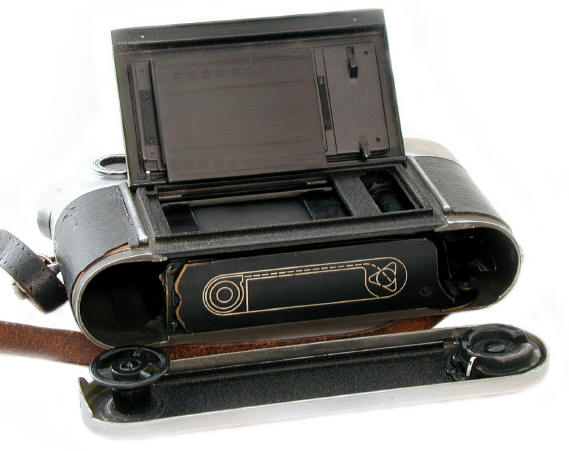
Garry Winogrand’s Leica. http://www.cameraquest.com/LeicaM4G.htm
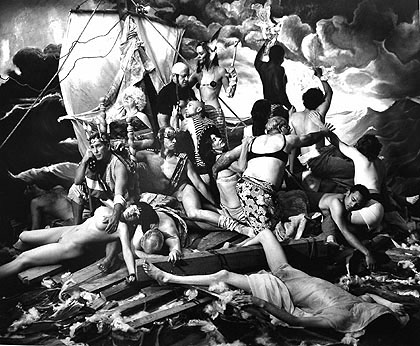
Somebody has Joel Peter Witkin’s enlarger. http://www.photoeye.com/auctions/citation.cfm?id=1

http://lareviewofbooks.org/article.php?type=&id=1040&fulltext=1&media=
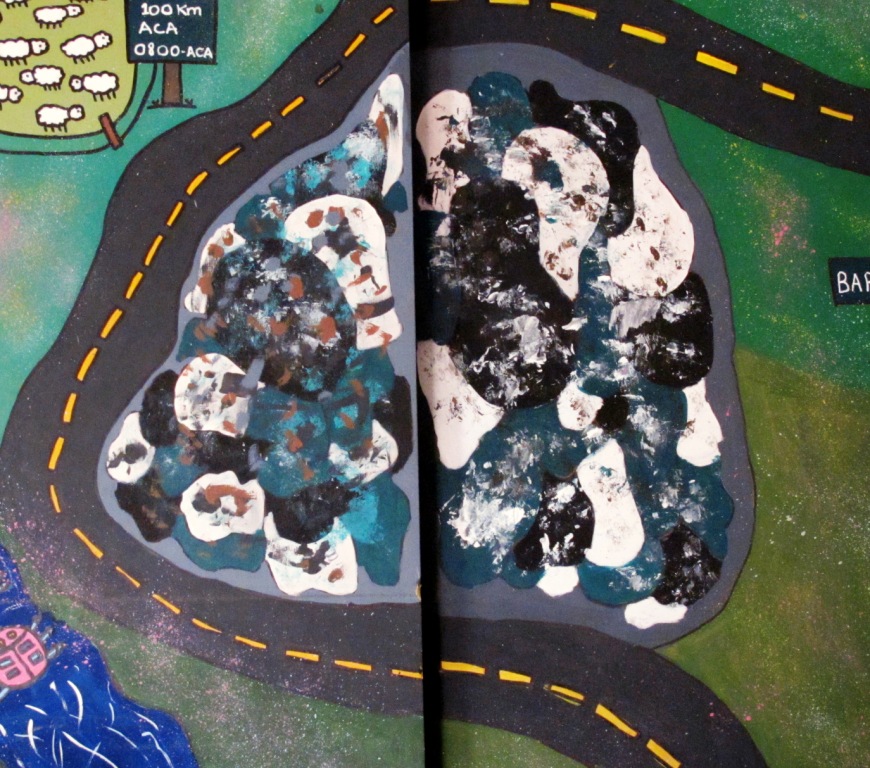
Excuse me: digital humanities? Somehow not unrelated: as Howard Hampton put it in, mid-paragraph (and the Times placed it, at the top of the column), this Sentence Of The Week: “The random gush of information and observation starts to coalesce into patterns; the leapfrogging backward and forward in time is gradually shaped into history, or at least becomes dried handprints in the warped concrete of memory.”
It’s not uncommon for an apology to be publicized; for example, Harry Shearer makes a point of archiving apologies on his weekly radio program “Le Show:” http://harryshearer.com/news/le_show/player/?id=874
Here is an apology that appeared last month. I can relate: http://blakeandrews.blogspot.com/#!/2012/08/im-sorry.html
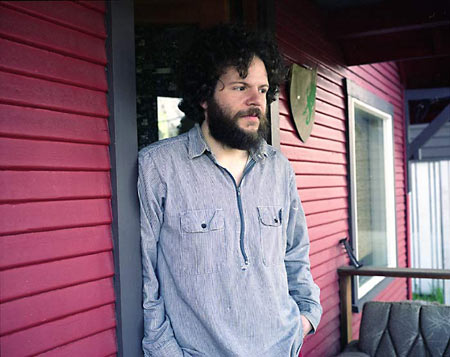
I think I have a soulmate. http://blakeandrewsphoto.com/
1. A larger dark cloth (have you seen me fight with mine?).
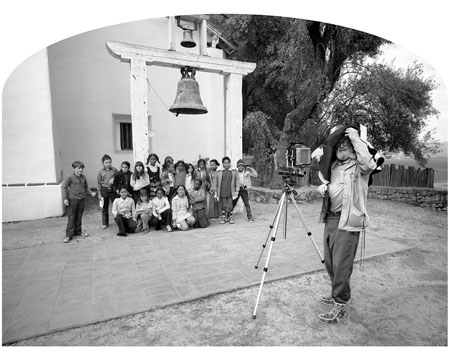
2. A slightly taller stepstool (this is not a joke).
3. An assistant! Brilliant! http://www.youtube.com/watch?v=Zu7Oi92sUEo
4. A documentary videographer (not so essential).
To paraphrase Thelonious, Let’s try this. 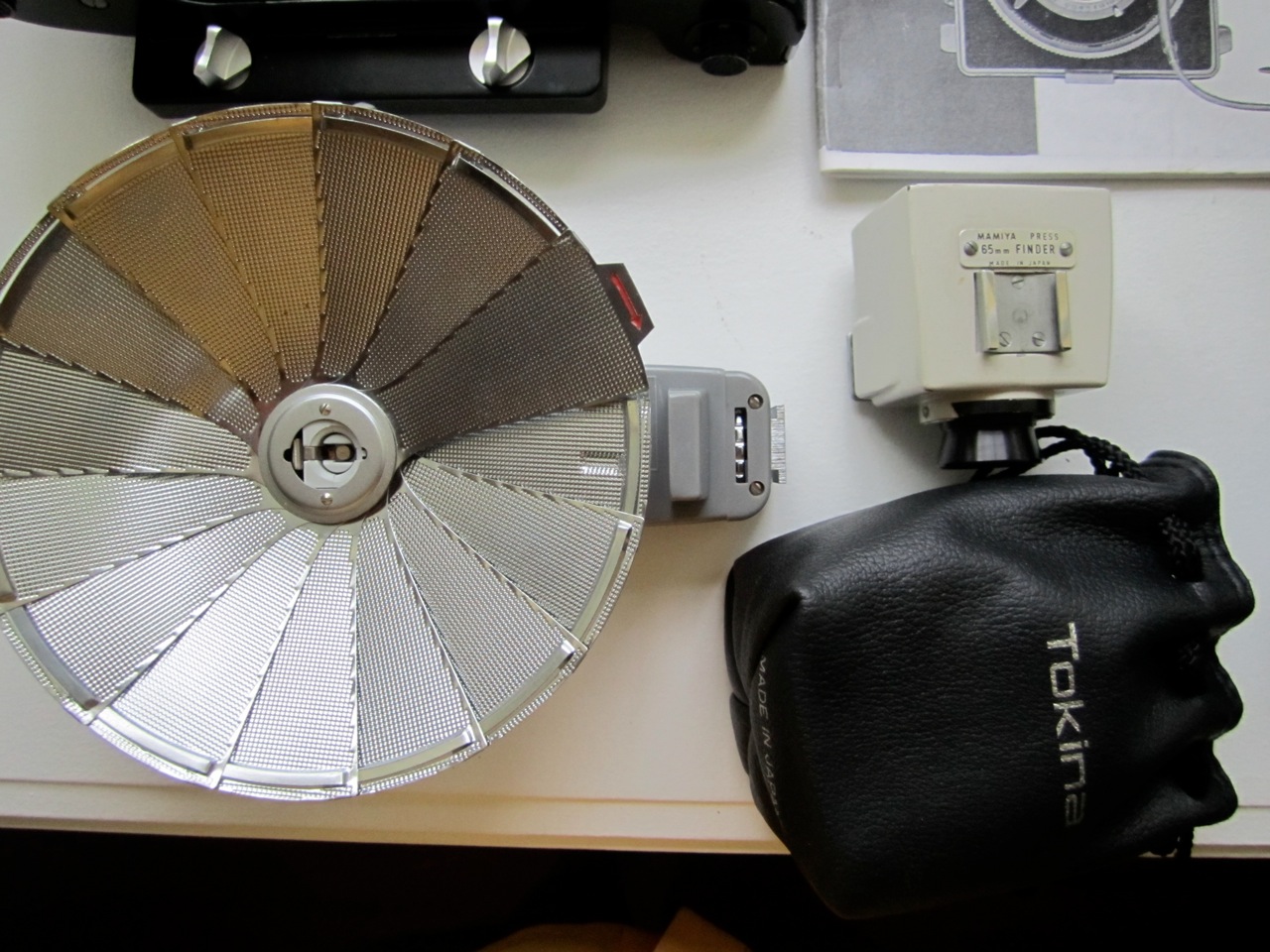
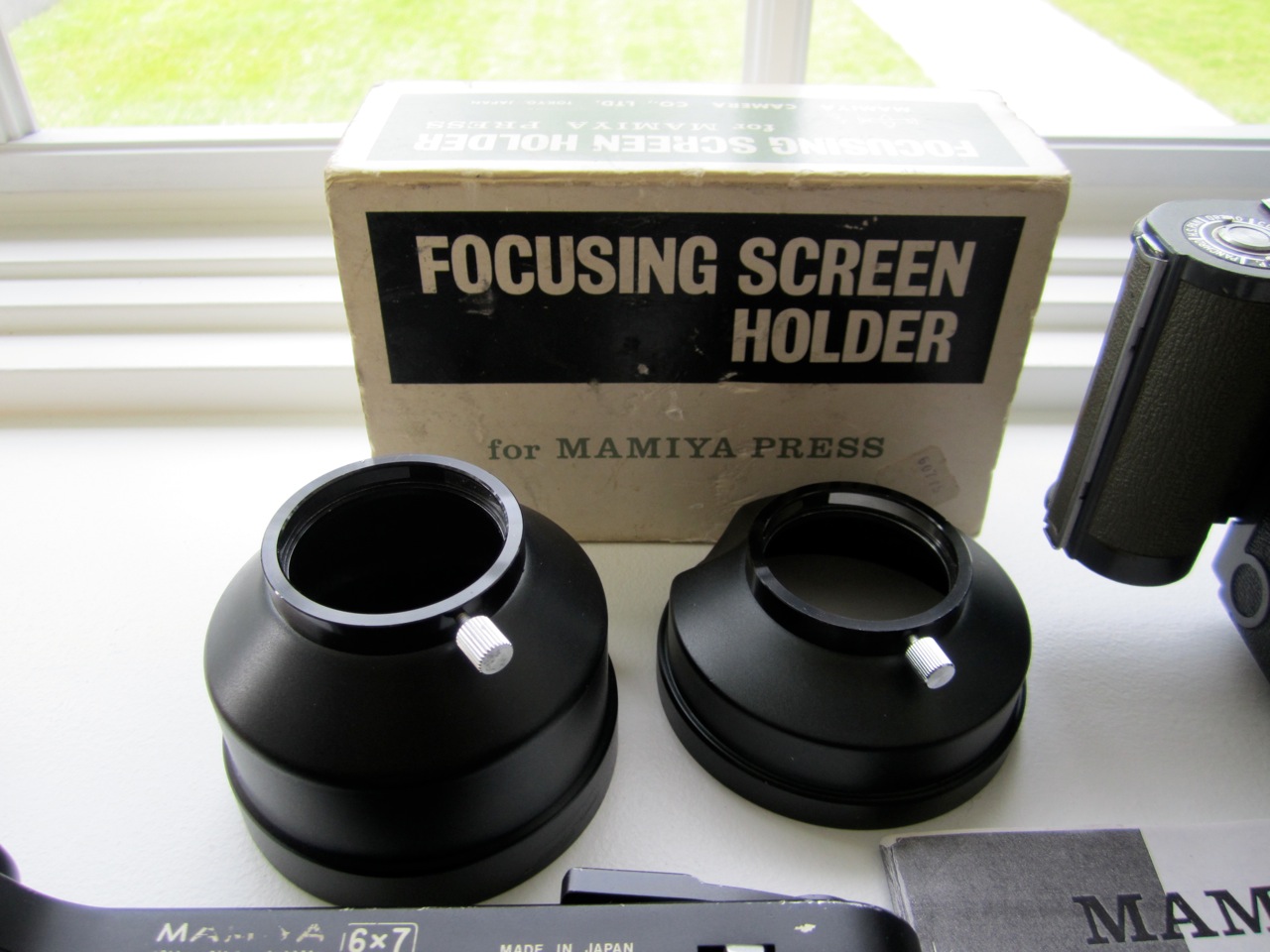
A Photo Devoto (with a hoodie to prove it) has some equipment available. We’re a fan of the medium format, so here’s a little publicity that could result in a new owner who’ll put the stuff to good use.
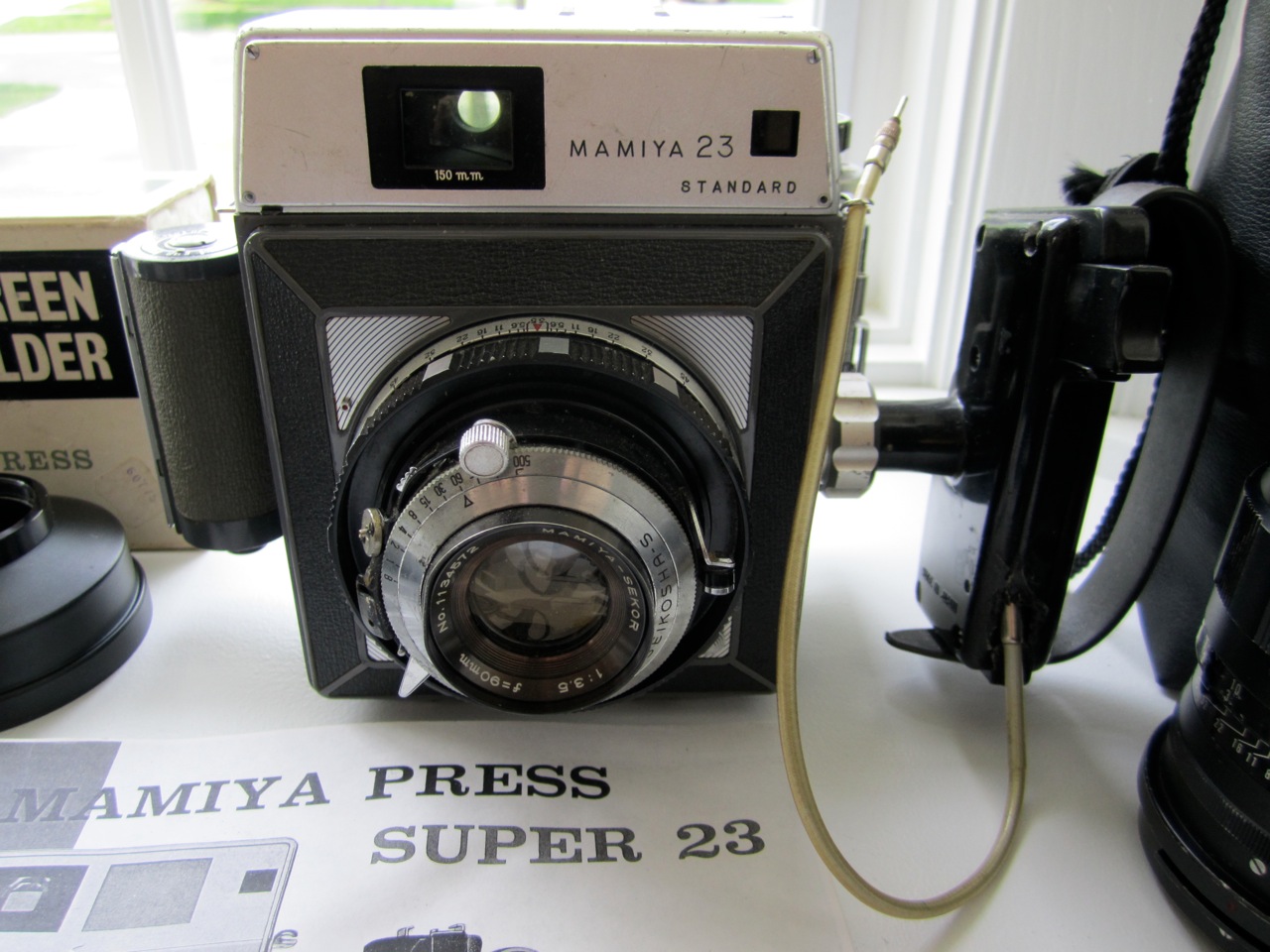
http://camerapedia.wikia.com/wiki/120_film
Upfront disclaimer: the shutter needs work. Remedy: we know a guy.
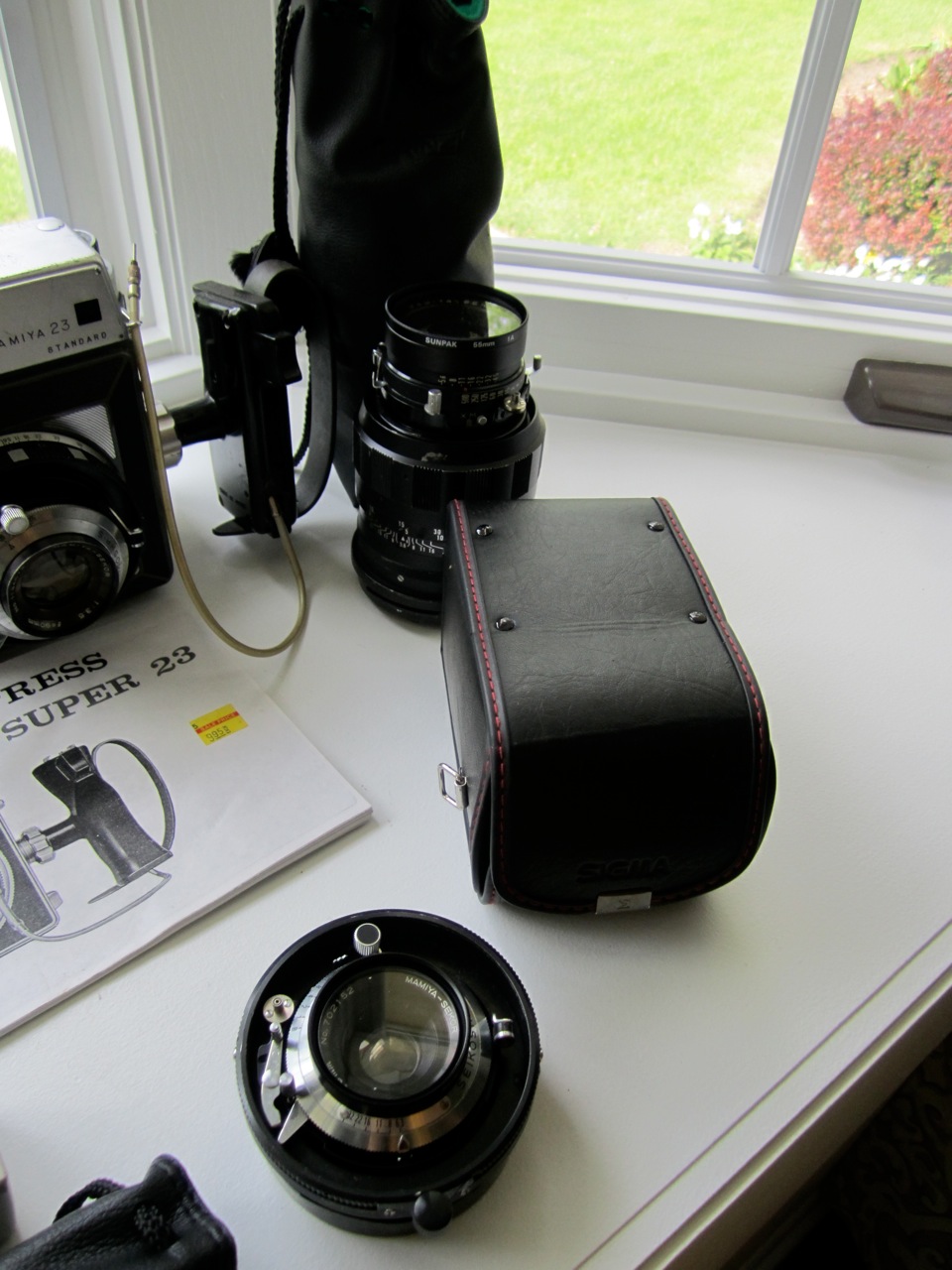
In our estimation, medium format cameras are the best deals in the online… um… places.
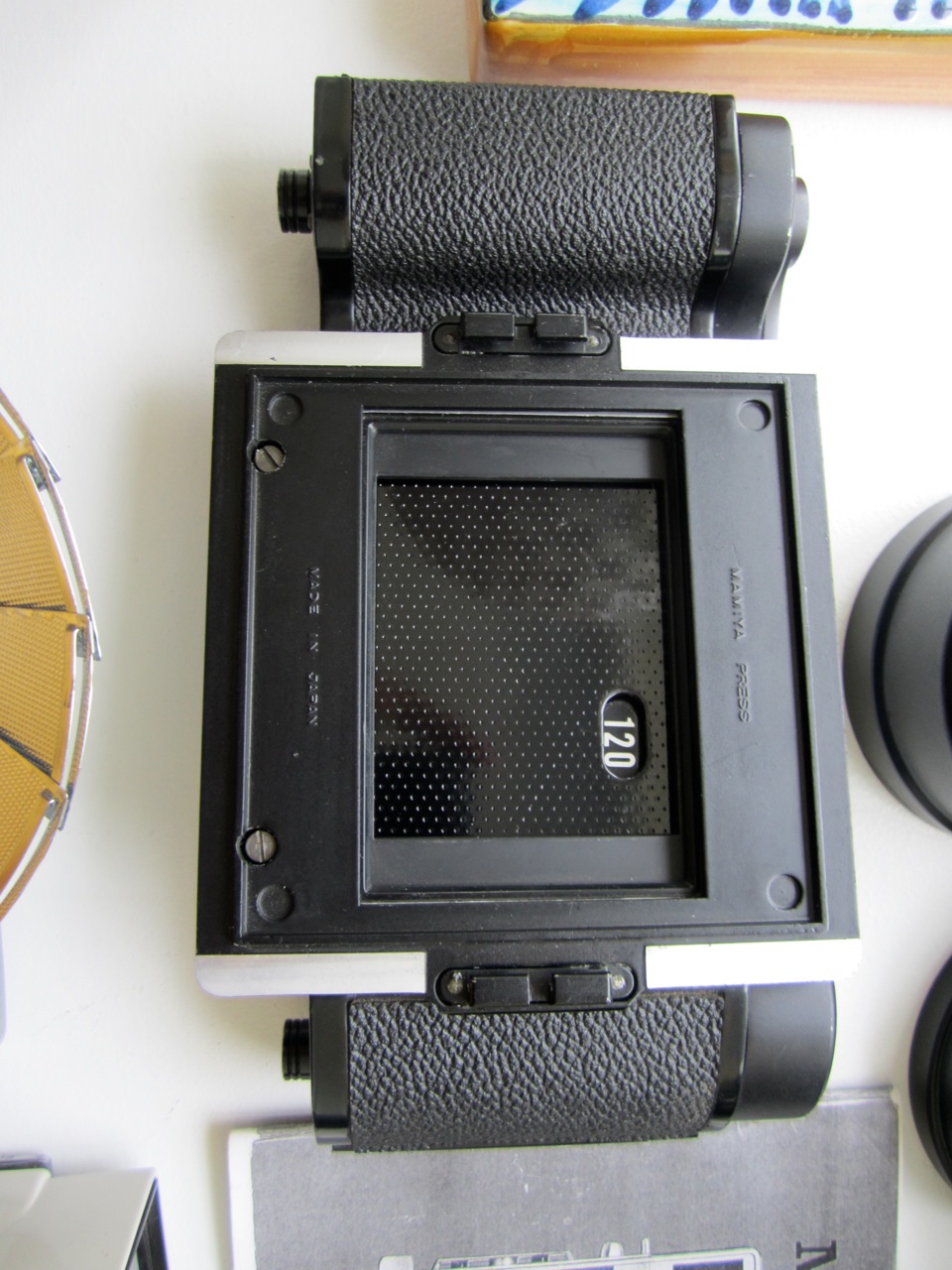
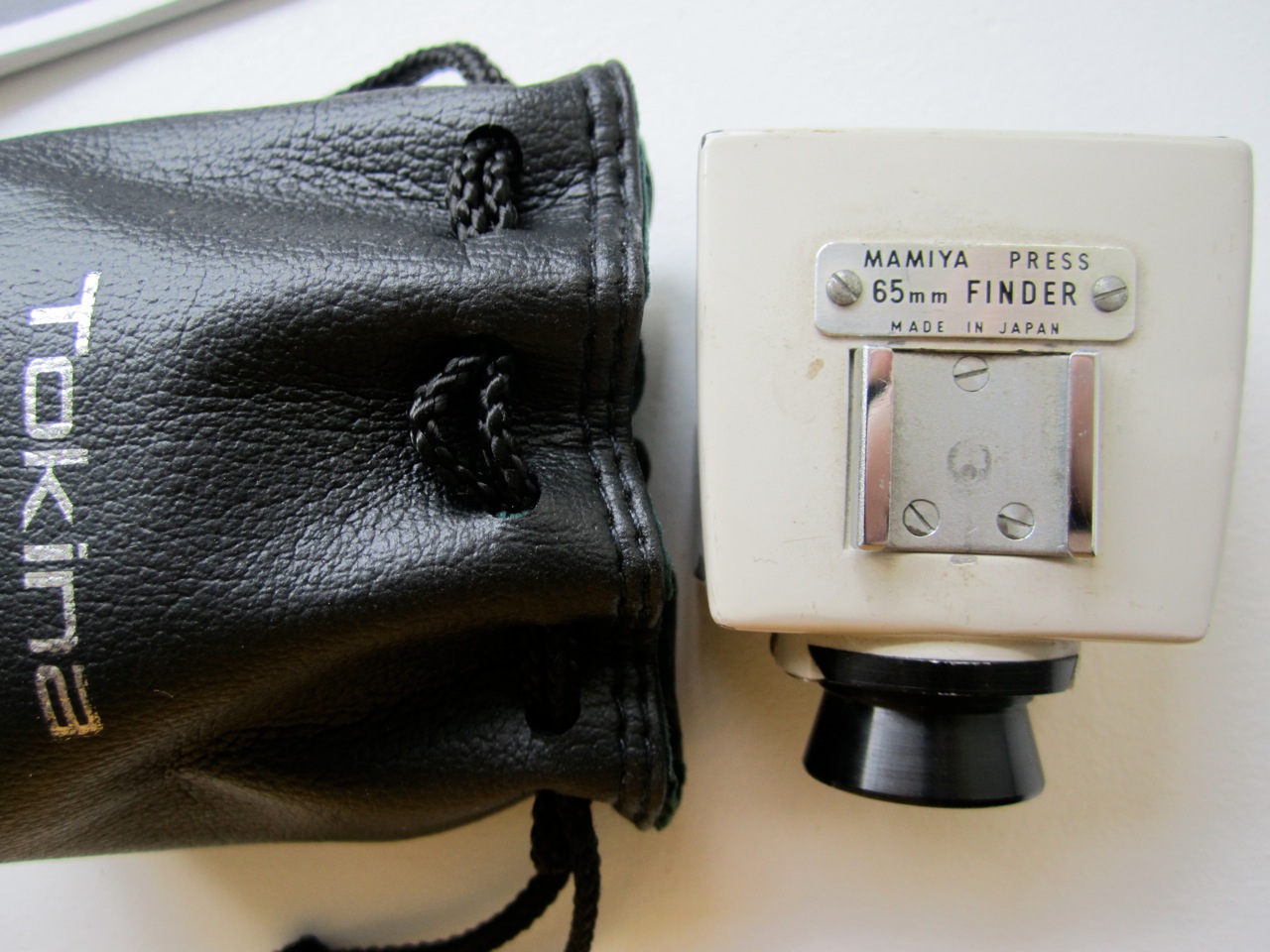

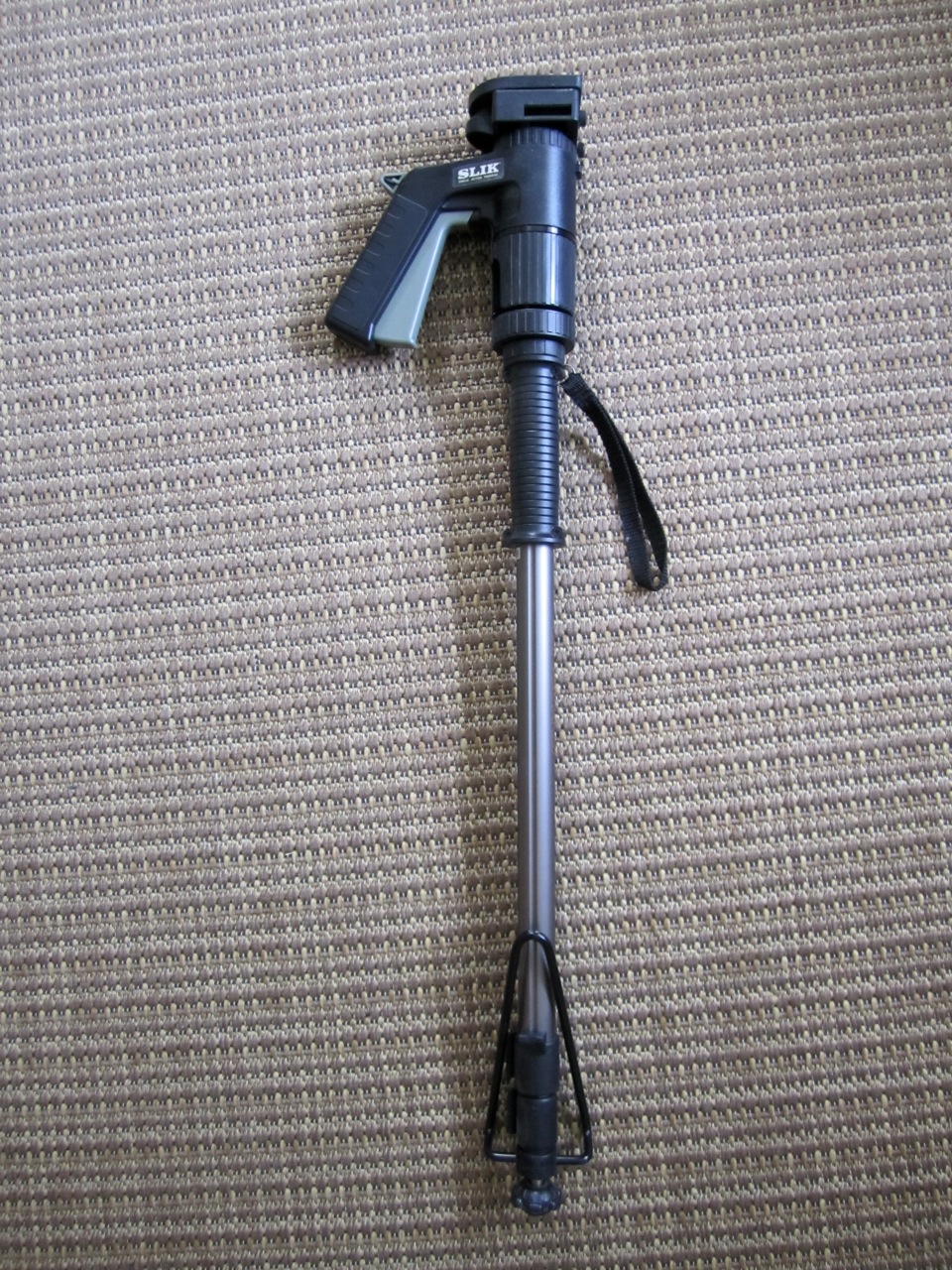
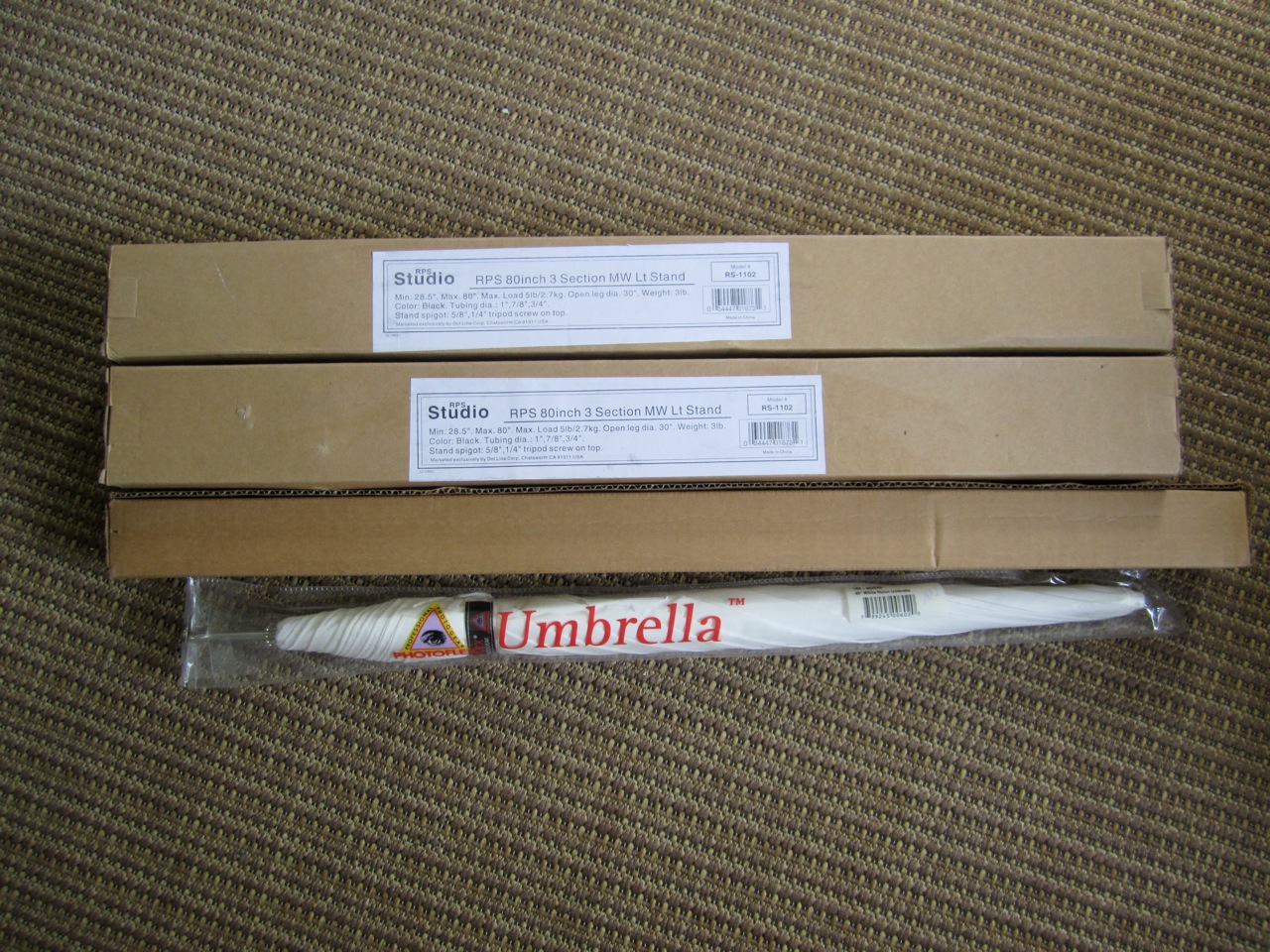
If you’ve only shot 35mm film so far, you’ll be thrilled with 120. We’ll put you in contact with the seller; ask all the questions you can think of.
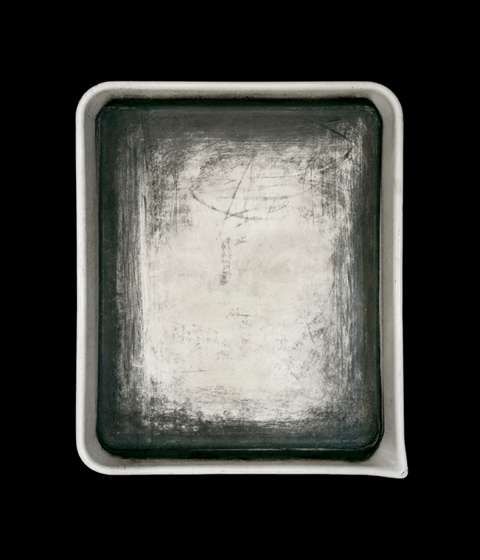
Jock Sturges uses Paul Strand’s contact printing frame; someone now has Joel-Peter Witkin’s enlarger. We have darkroom parts from Mrs. D.’s uncle, and some of you have, or will use, equipment from the homes of BHS alumni.
http://www.edelmangallery.com/exhibitions/2012/installed/installed.htm
Check out our longstanding link to BHS alumna Diana Mulvihill, on the right; then follow the link to an interview with her, in which, after a brief episode of deja vu, you’ll learn her about real name and her infatuation with what some of us know as Holga cameras.
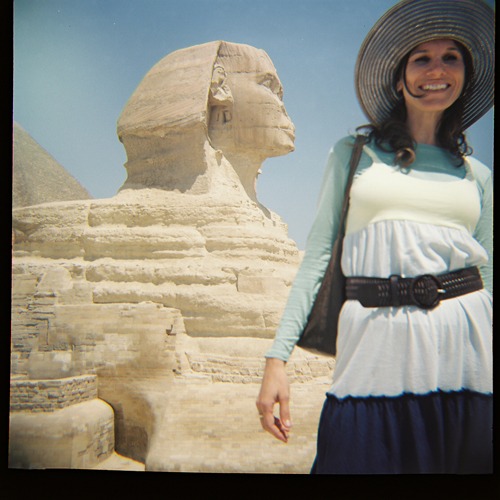
Update (January 8): http://www.commarts.com/fresh/diana-mulvihill.html
Everybody knows that twitter is limited to 140 characters. The character limit was determined by Friedhelm Hillebrand, father of modern text messaging, who came up with 160 as the ideal number needed to convey… something. When the deciding committee looked at postcards and found most of the messages were around 150 characters, the 160-character limit was born (twitter keeps the extra 20 characters for usernames).

I like to think of twitter as the 21st-century postcard, in that small packages of information are sent easily. Astonishingly, some people among us would be unaware of the conventions of postcards in current conventional use (outside of advertising) were it not for PostSecret, because their purpose has been trumped by texting, but texting has no remnant, nor any sense of presentation.
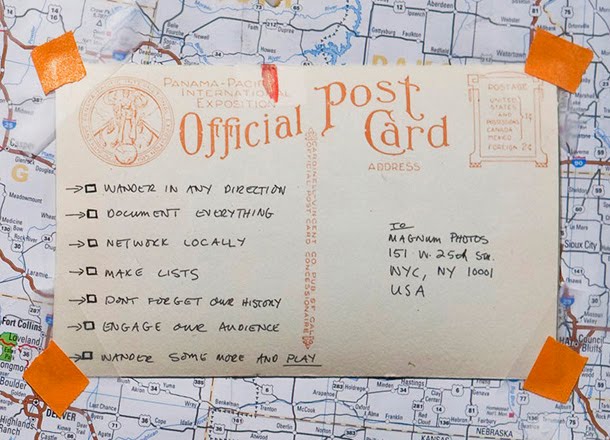
I don’t collect old postcards, but their appeal is enormous. If I acquire older postcards–used or unused–I use ’em. Even better: make your own.
 Creative Camerawork