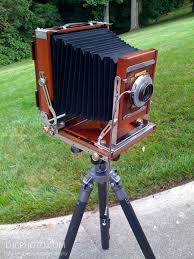
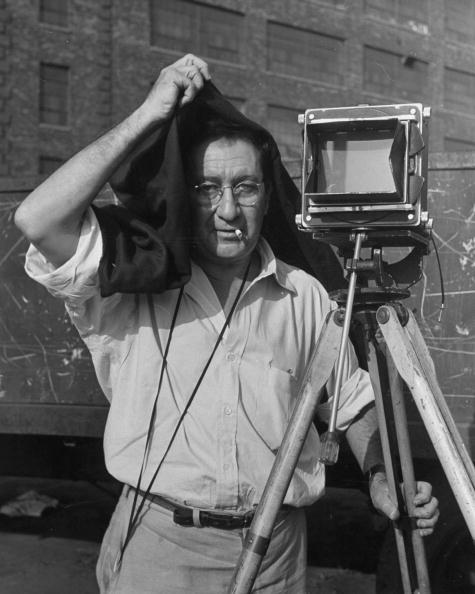
“This style of camera features separate back and front elements connected by a flexible box. The front contains the lens and shutter, while the back houses a ground-glass viewing pane.
The lens projects an image onto the glass upside down and back to front – a black cloth draped over the glass and the users’ head helps block out natural light so the image can be seen clearly enough for focusing and framing. The glass is then swapped for a film holder to capture the shot.
Large format cameras demand a more contemplative approach, as each shot requires its own set-up process. They also create sharper analogue images, as the area of the film is greater and can record more detail. A high level of control over perspective and depth of field can be achieved by shifting or tilting the back and front elements in different directions.”
What a clear and concise explanation. It’s from this interview with architectural photographer Helene Binet, who finds digital photographs to be disturbing on occasion:
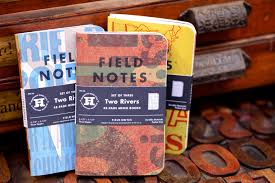
Do you go through as many notebooks (and agendas, and calendars) as we do? Field Notes, from Chicago, is an excellent source (although we have not ever used this particular brand). The current special edition covers were produced at the Hamilton Wood Type and Printing Museum in Two Rivers, Wisconsin (which we have yet to visit, although we’ve heard about it from workshop participants). Check out all the links. And decide whether to place an order, post-haste.
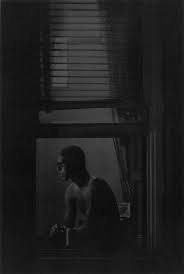
The “world’s best photography magazine” just got better by instituting a monthly column in its Sunday Magazine. http://www.nytimes.com/2015/02/22/magazine/a-true-picture-of-black-skin.html?emc=edit_tnt_20150219&nlid=26827690&tntemail0=y&_r=1
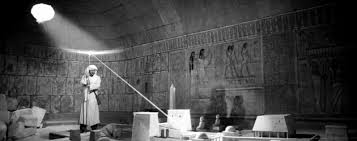
Steven Soderberg is “retired,” but lives on at his blawwg. One of his more fascinating posts is “Raiders Of The Lost Ark,” entirely monochromatic (izzat a woid?). Watch it scenes over a number of days, as did moi; perhaps the replacement electronica soundtrack is negligible.
P.S. The website shop offers t-shirts which reference films, but only for those who are in the know. They’re on the pricy side. (My birthday’s in June; I take an L. http://extension765.com/products/T018).
If you are not in the habit of bestowing year-round (prints, food, cash, lottery tickets), this is the season in which to do so. Some of the following are real and practical for photographers, and some, well… let’s think outside the continuum.
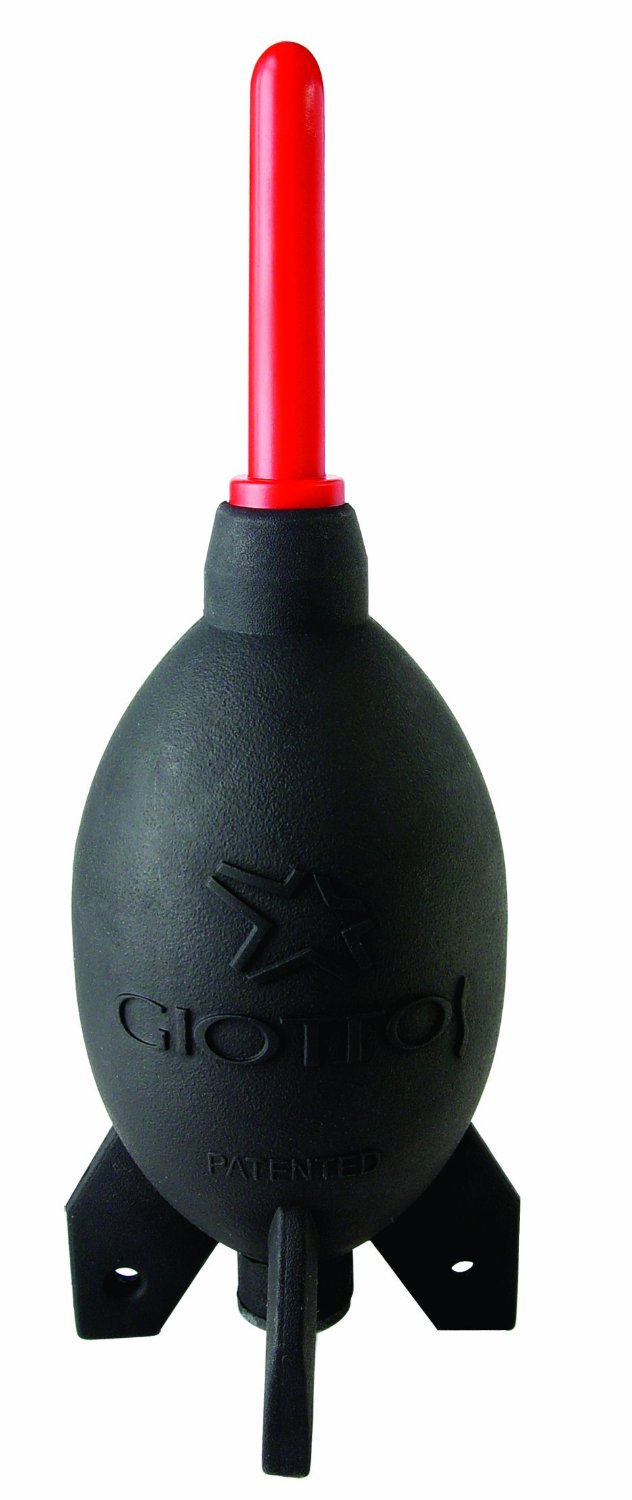
Consider acquiring a durable syringe, powered by one’s own grip, for your (or your beloved’s) darkroom. It’s a better way to remove dust from negatives and condensers than a pressurized can with warnings about accidental inhalation (until it’s empty, and you throw it away). Here’s the medium size: http://www.amazon.com/gp/product/B000L9OIQC/ref=pe_62860_128743720_em_1p_1_ti
Film cases are neat and convenient for carrying 5 or 10 rolls of film in one’s bag or pocket. http://www.freestylephoto.biz/103581-35mm-Film-Hard-Case-White-Holds-10-rolls-of-film
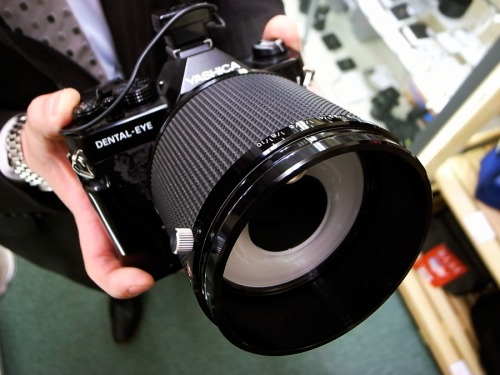
See if you can locate (on *bay) a Dental-Eyecamera, originally made for dentists, with a sort of a macro lens that cannot (doesn’t need to) focus out to infinity.
Everyone wants to read The Photographer’s Playbook as much as you do; weve gone through it to save you the time and effort, and we recommend the following twenty-four assignments/projects over the rest of the 307 suggestions: those on pages 4, 5, 14, 18, 19, 33, 54, 59, 60, 61, 67, 70, 72, 73, 125, 156, 158, 173, 198, 200, 267, 283, 324, and 343. As well, page 131 is a prompt to show work, and on page 126 begins the best advice in the entire book.
See also: “Sketchbook With Voices,” by Eric Fischl (maybe the most subversive book in the BHS Libr–uh, Media Center).
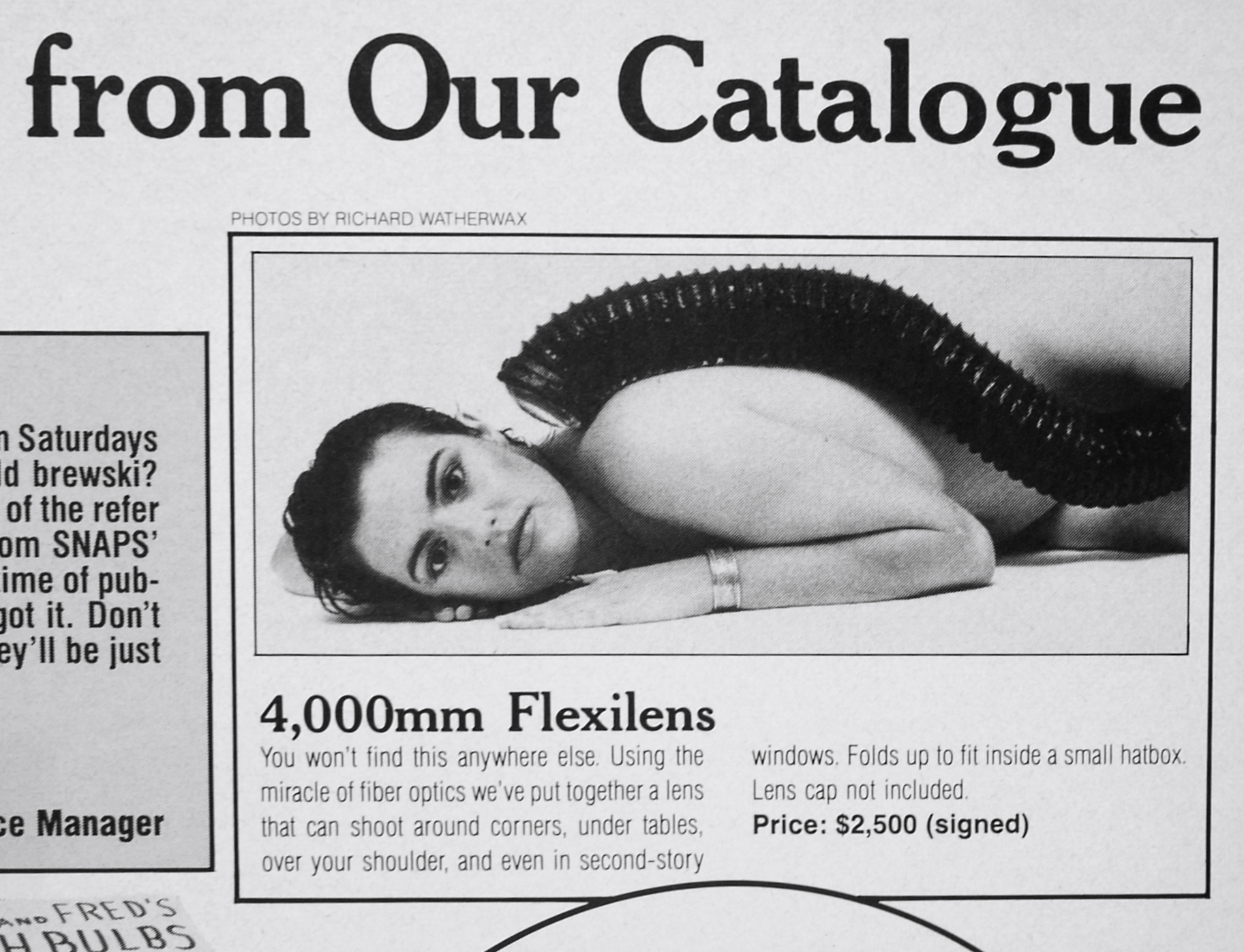
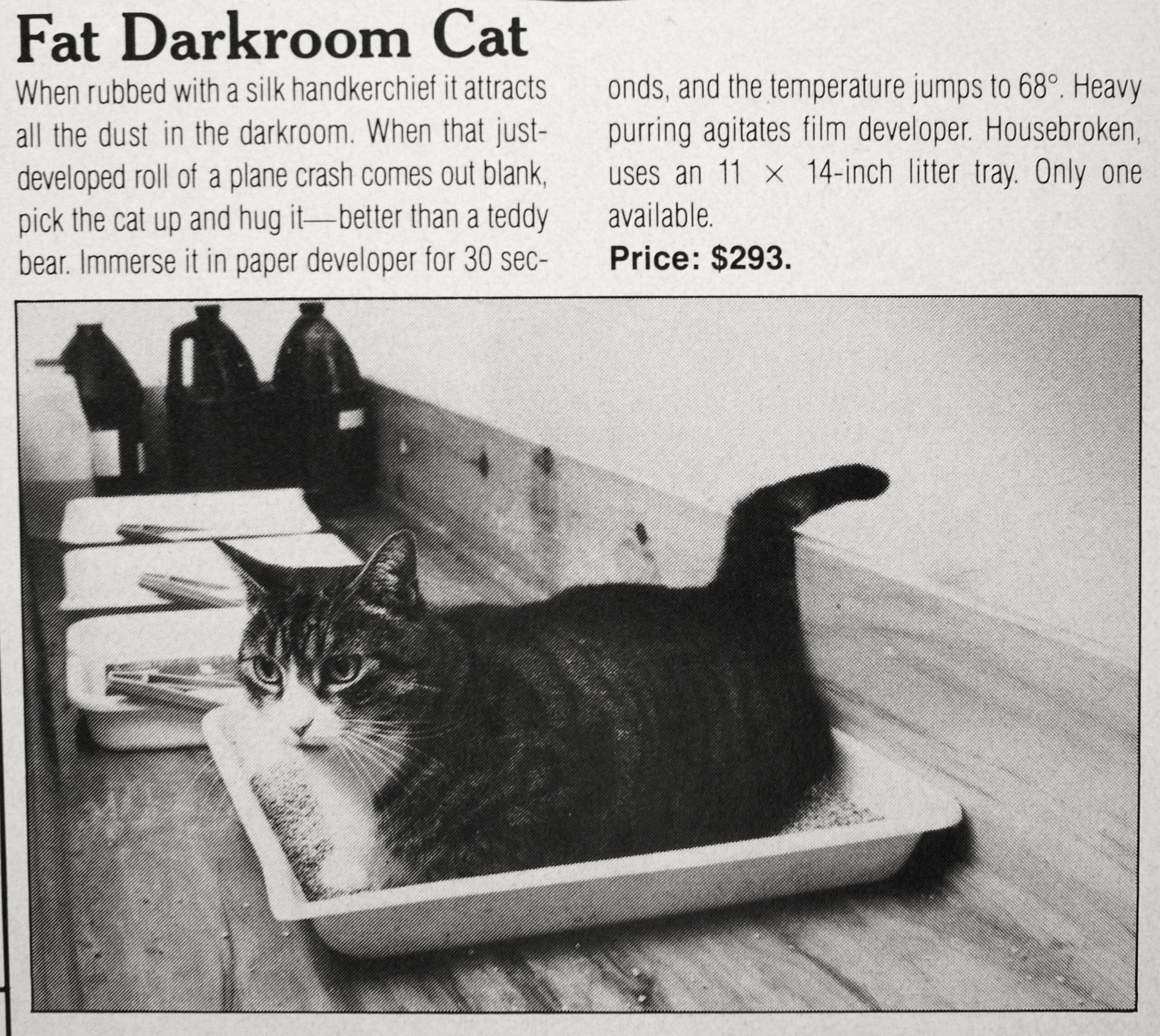
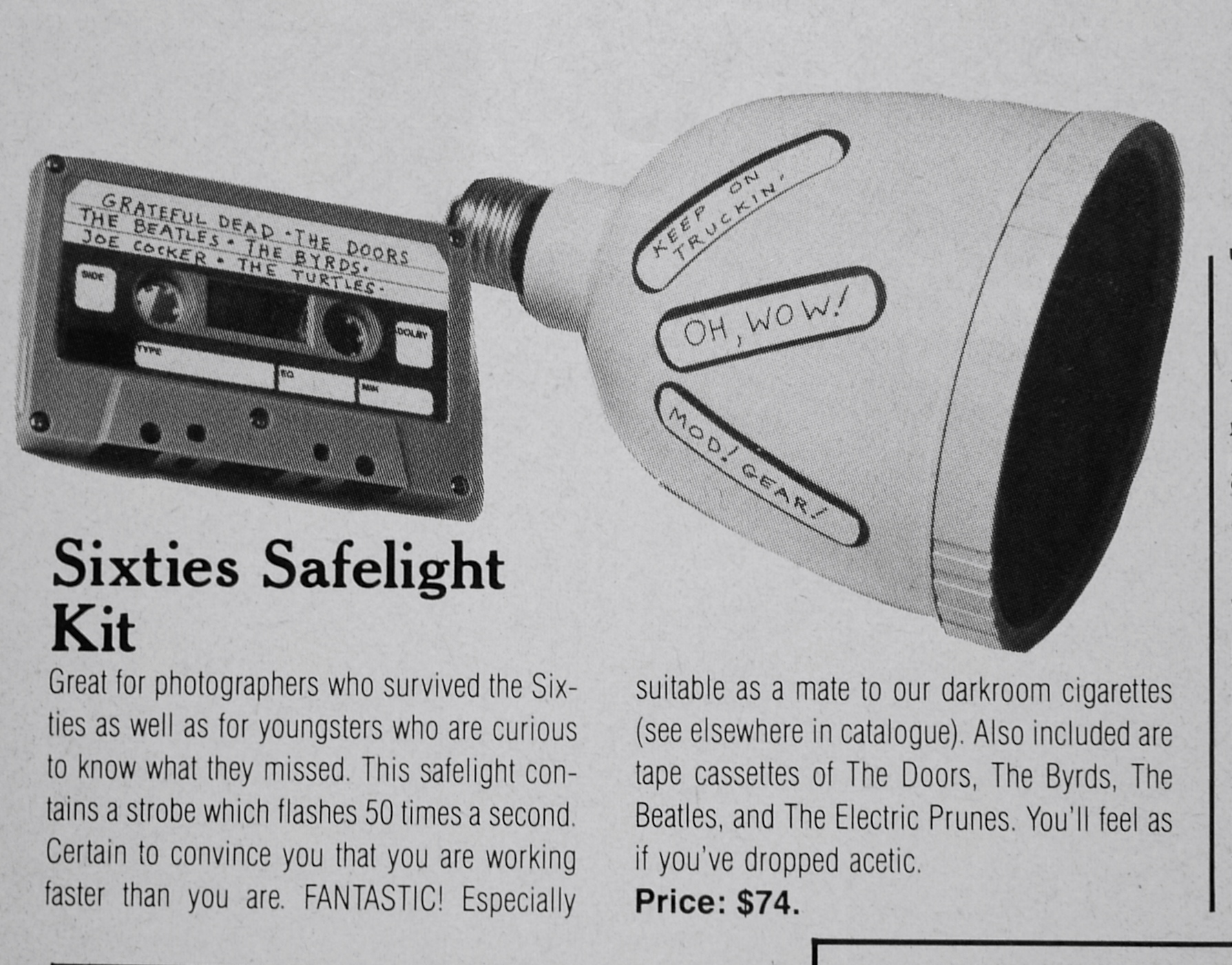
The rest of these “gift ideas” are from a long gone periodical. If anyone can identify the magazine or the photographer, so much the better, but it was a different time, and most of the piece is politically incorrect today (or not funny enough to reproduce).
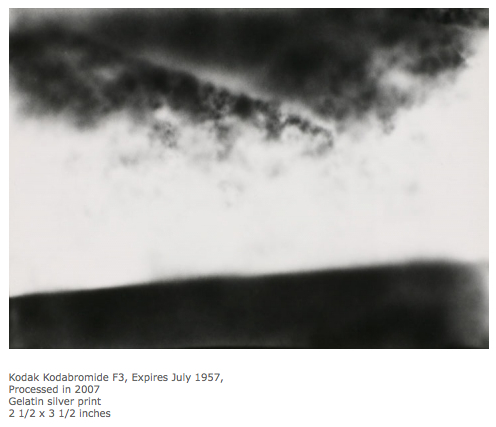
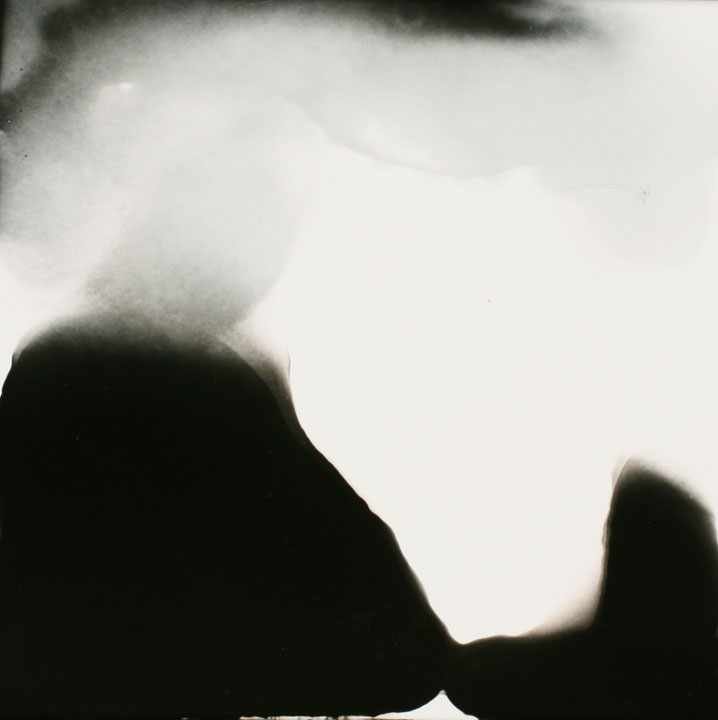
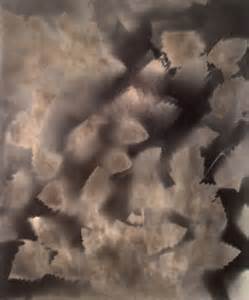
…in which Alison Rossiter develops outdated photo paper to see whether its physical developing out works as a picture. Compare with Ray Metzker’s also-cameraless photograms (and collages) of the late 1990s, the “Singular Sensations.”










 Creative Camerawork