The Giorgio Armani ad campaign, begun last month, flatters sincerely through imitation.
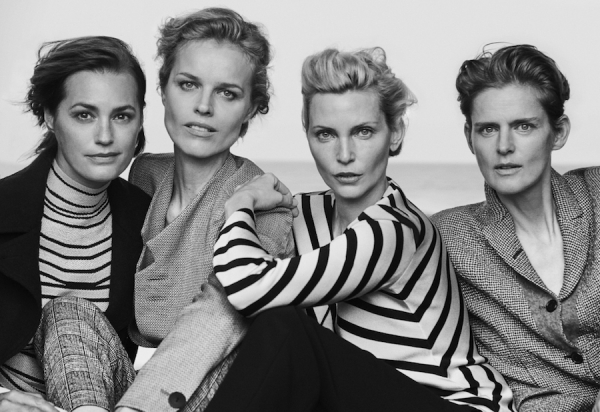
The Giorgio Armani ad campaign, begun last month, flatters sincerely through imitation.
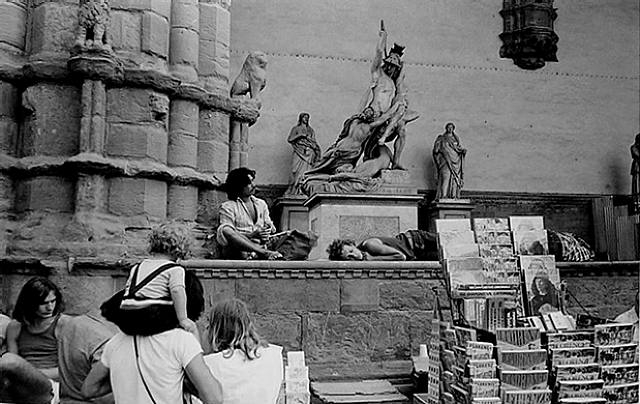
“Taking so many pictures taught me a lot, even unconsciously, about being out in the world and using a camera to make pictures. It also taught me a lot about different picture forms, and the use of space. Many students today are completely ignorant about that, so the pictures are generally something plopped in the center of the frame and digitally printed to 40×50. I shouldn’t castigate the students, but it turns up in the galleries too, and it’s just not very interesting; it’s not very satisfying as a visual experience.”
(As is often the case at http://mpdrolet.tumblr.com -ed.)
“Maybe it’s simply a case of finding a number of interestingly tormented people. Garry Winogrand, Robert Frank, Diane Arbus, Lee Friedlander – they were all lunatics.”
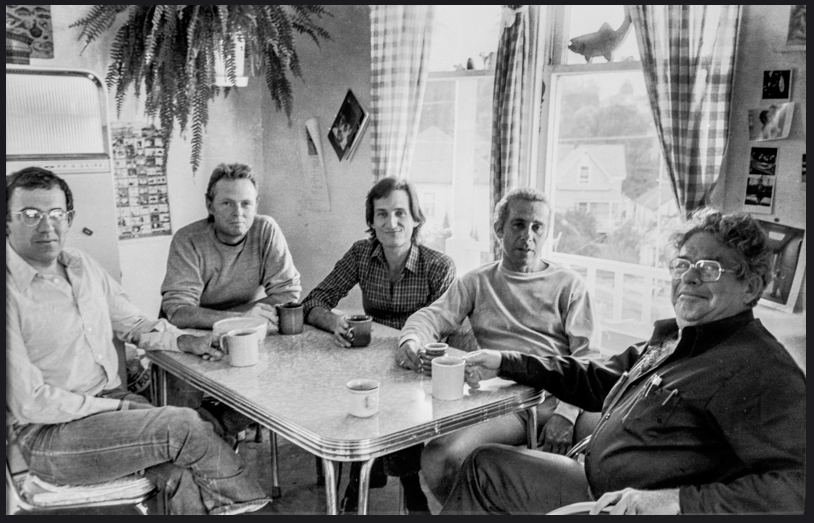

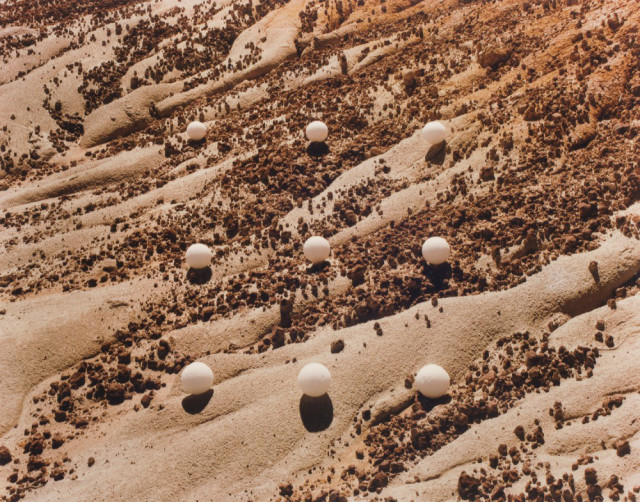
“At that time there was a lot of conceptual art around which was documented by photographic means, but generally without any formal or even photographic interest. Nothing was there but the idea, and it was preferably shown in its most minimal form — as a poorly lighted, exposed, and printed black and white photo. You could not get lost in the print itself; you were always confronted with the idea.
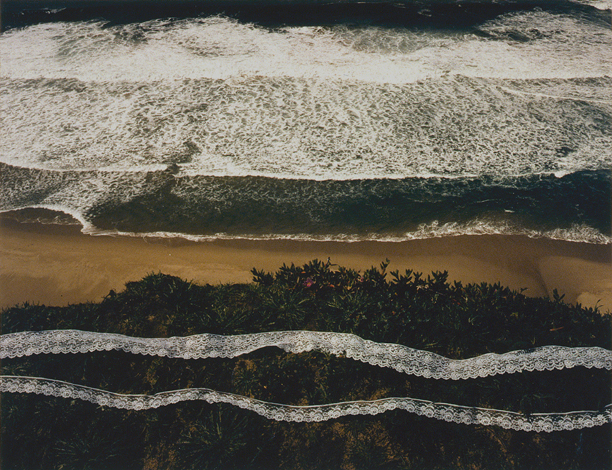
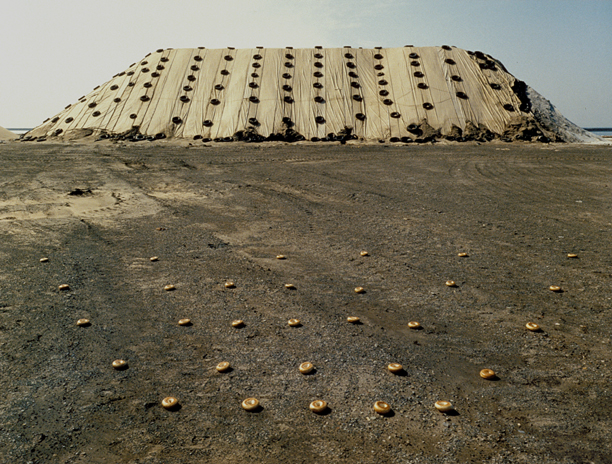
“I always felt that one of the basic beauties of the medium of photography was that there could be many levels of interpretation; a certain richness of multiple meanings. That is where I veered away from conceptual art. My photographs exist completely as photographs, with all the complexity intact, not merely as illustrations of literal concepts. I like to consider them more as formal experiments dealing with the properties, history, and aesthetics of photography and concept of illusion, beauty, and landscape.”

Interview: Jeffrey Goldstein On Why He’s Suing Vivian Maier’s Estate
https://vivianmaierbio.wordpress.com

P. S. We’re still perusing our Popestock proofs to see if Viv is in there. Someone should do the same with hers, for us.
If you can agree with most of what you hear, well, then…
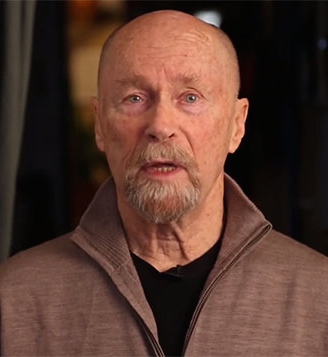
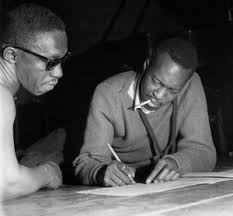
No, not that Wynton.
1. Seek out the best private instruction you can afford.
2. Write/work out a regular practice schedule.
3. Set realistic goals.
4. Concentrate when practicing
5. Relax and practice slowly
6. Practice what you can’t play. – (The hard parts.)
7. Always play with maximum expression.
8. Don’t be too hard on yourself.
9. Don’t show off.
10. Think for yourself. – (Don’t rely on methods.)
11. Be optimistic. – “Music washes away the dust of everyday life.”
12. Look for connections between your music and other things.
…and from Richard Benson. Given the relative paucity of Friedlander’s statements, this is gold, Jerry, gold.
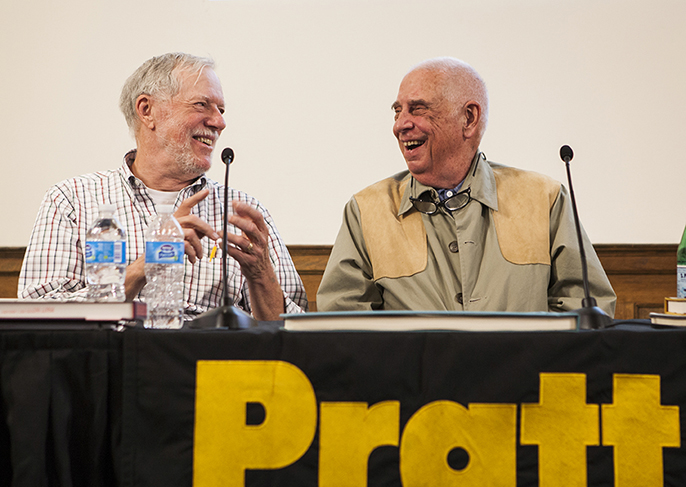
“A word to the wise is sufficient.” -Alfred Stieglitz
A “perverse combination of dime store photography and Renaissance portraiture.”
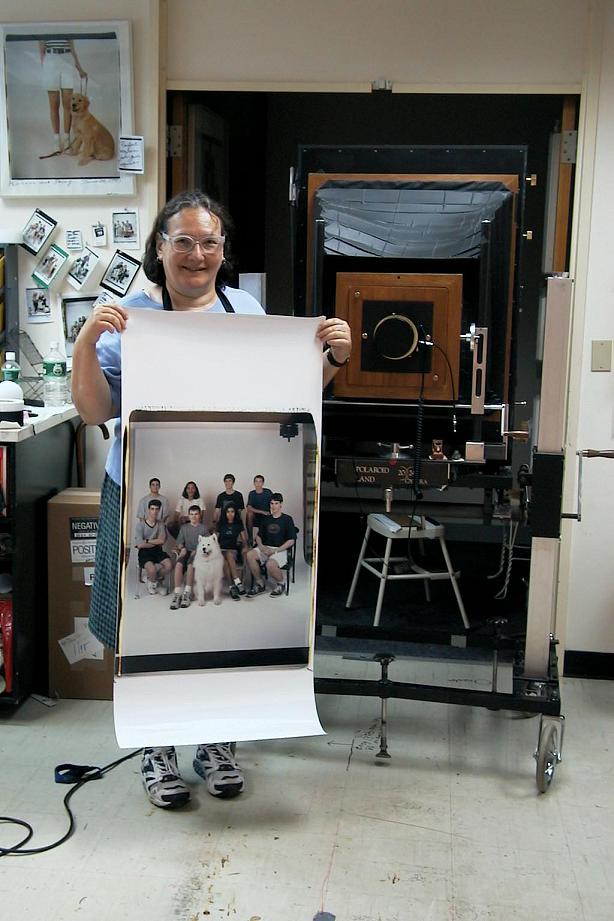
Be sure to follow all of the links as well.
http://radioboston.wbur.org/2015/12/30/elsa-dorfman
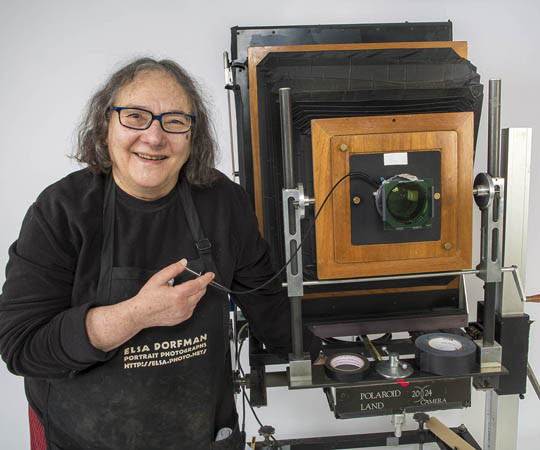
Photographer Elsa Dorfman with her 20×24 Polaroid camera in her studio. (Jesse Costa/WBUR)
 Creative Camerawork