Late Summer Work

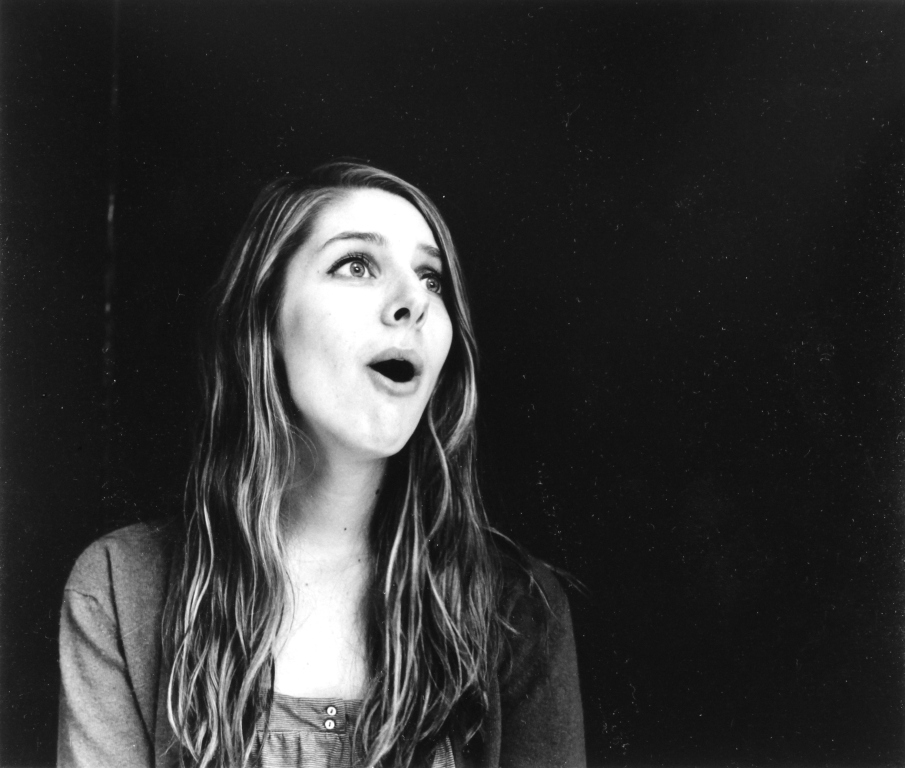
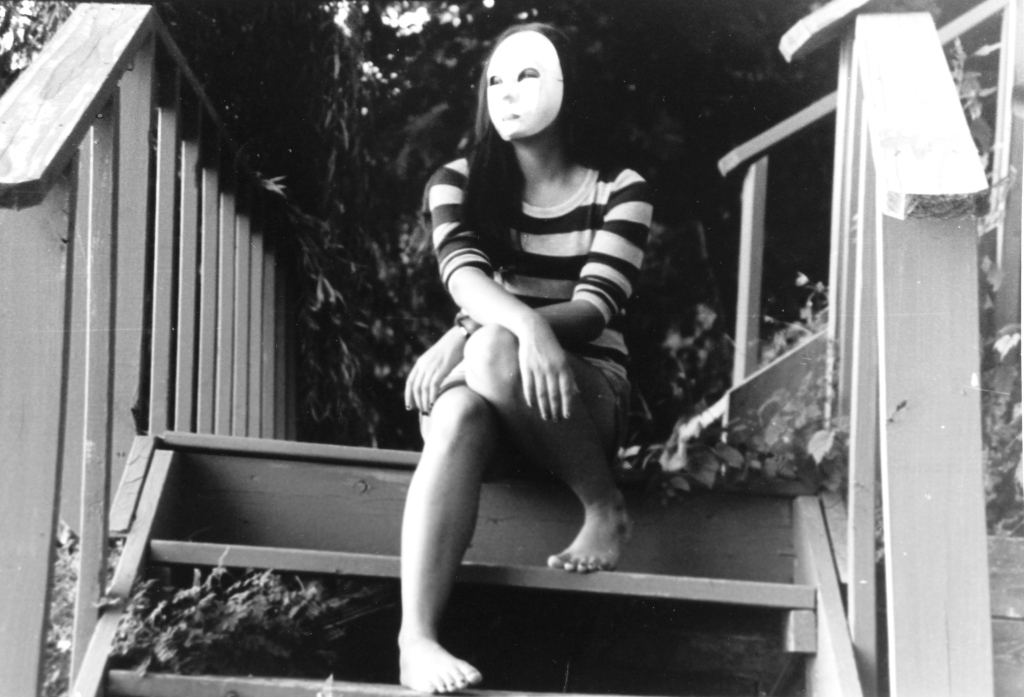
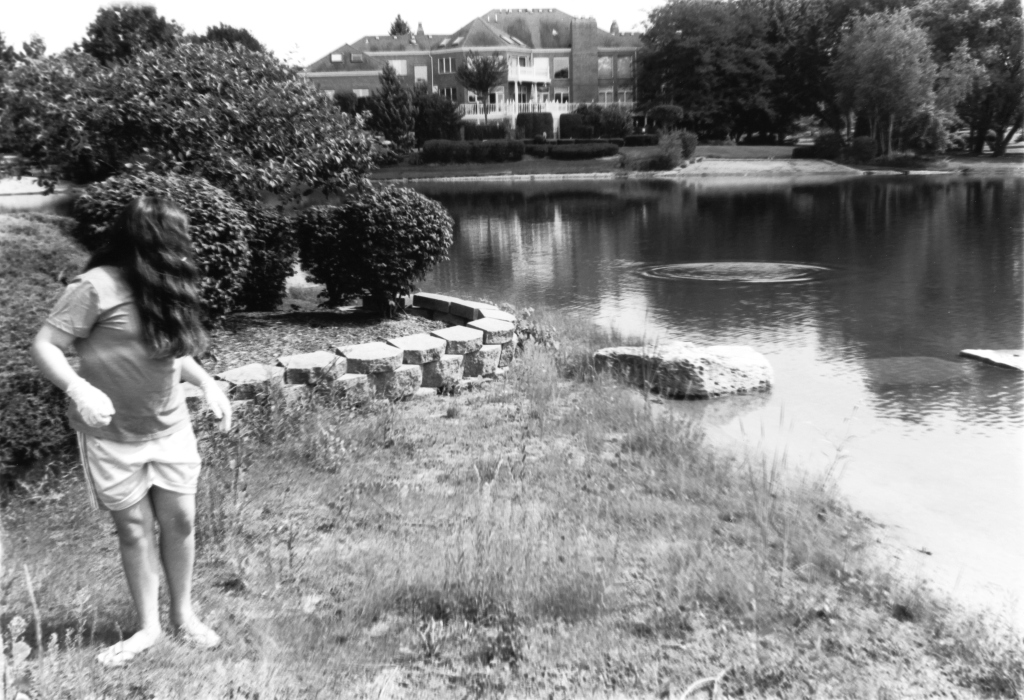
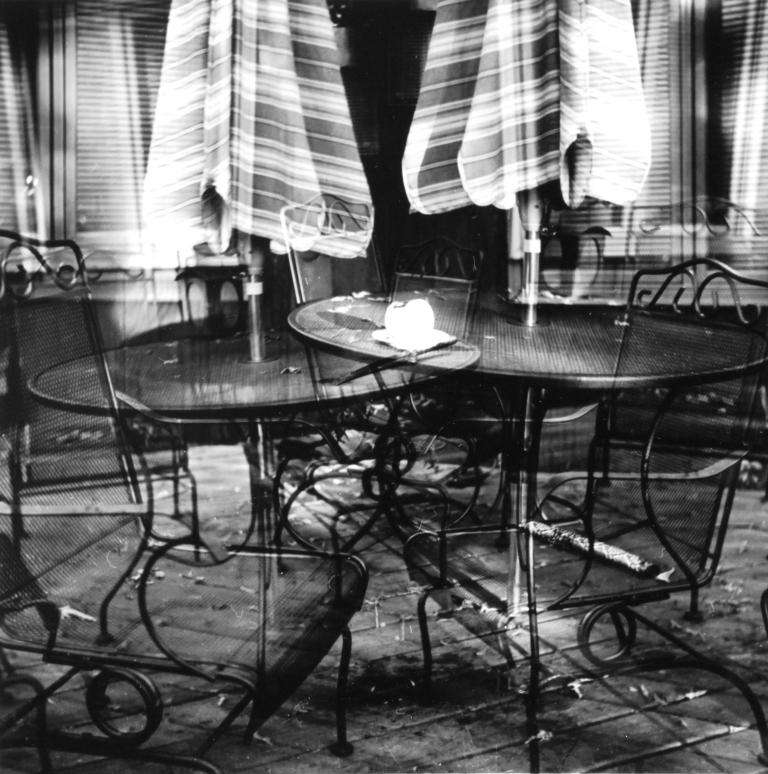
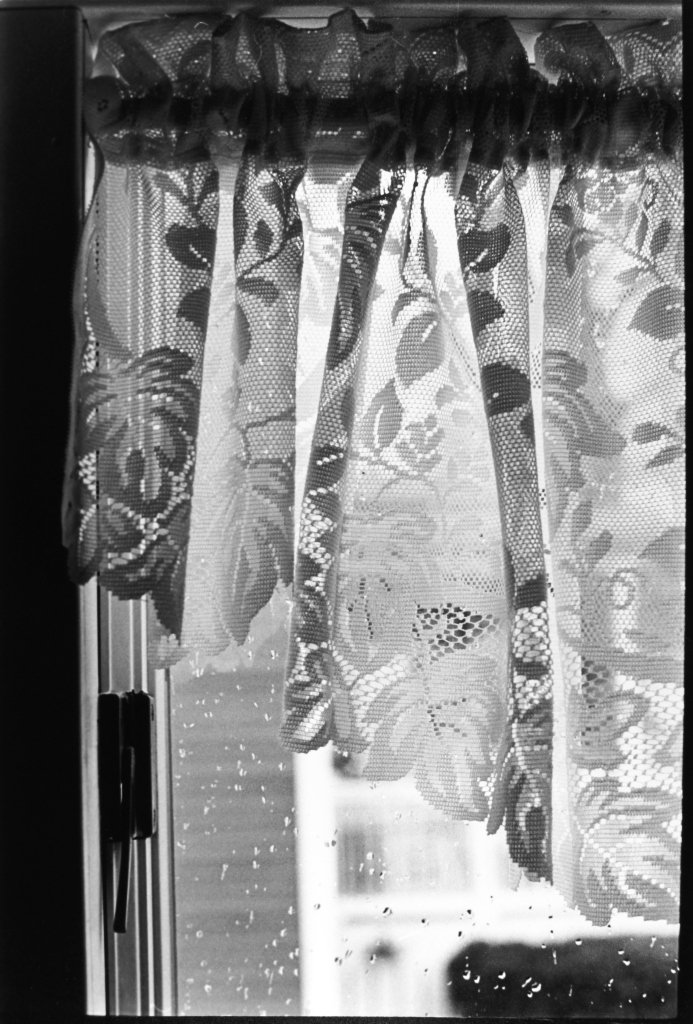
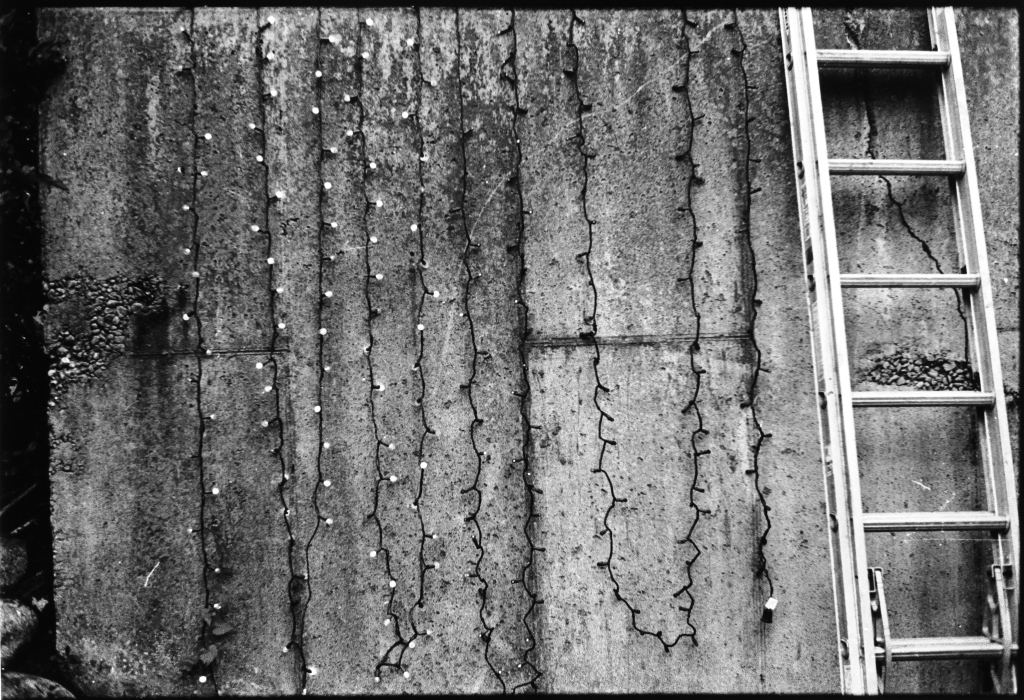
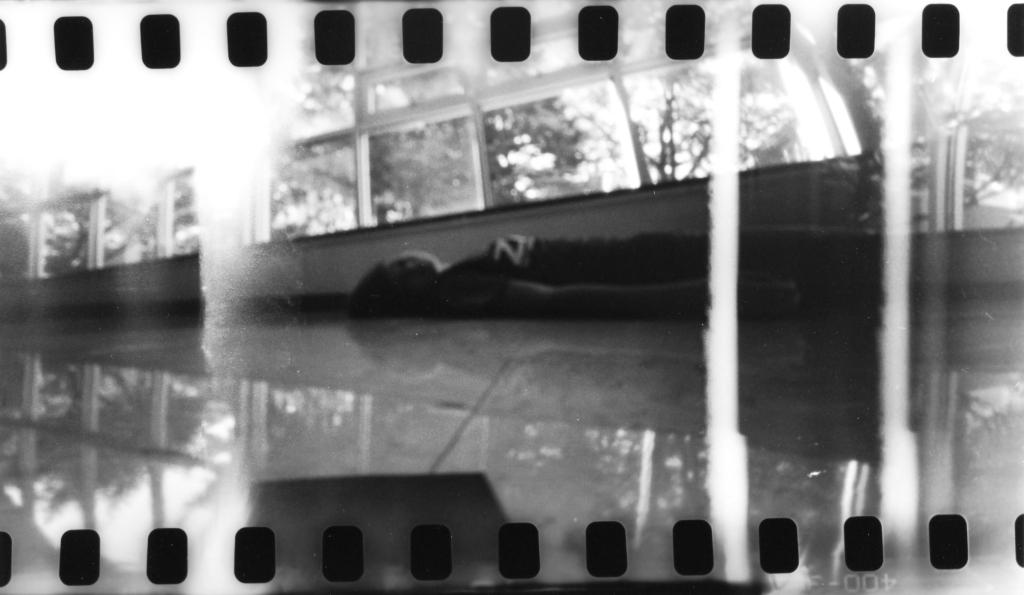
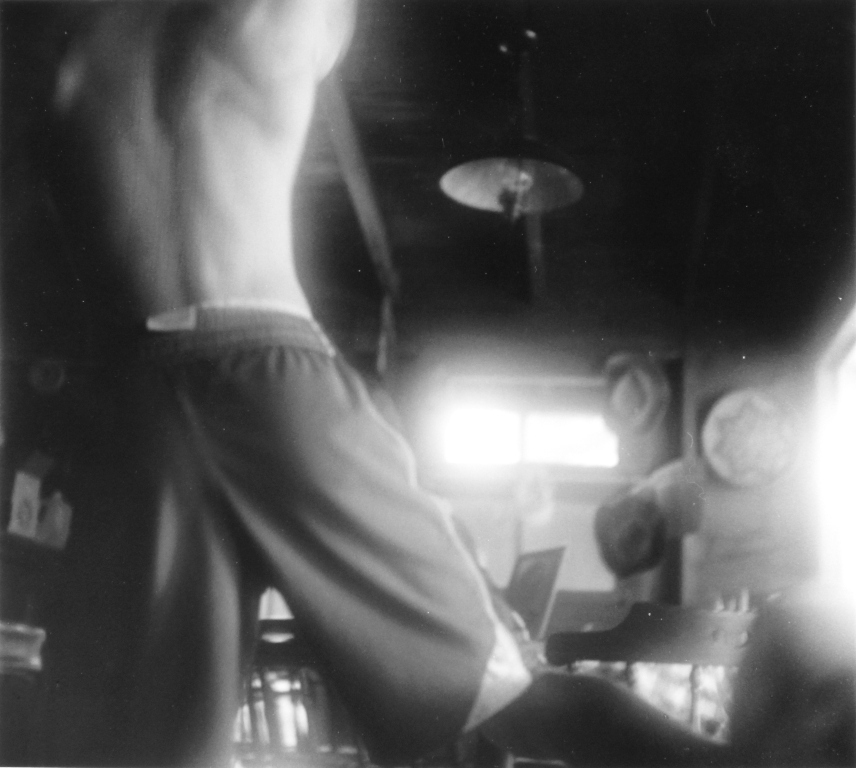
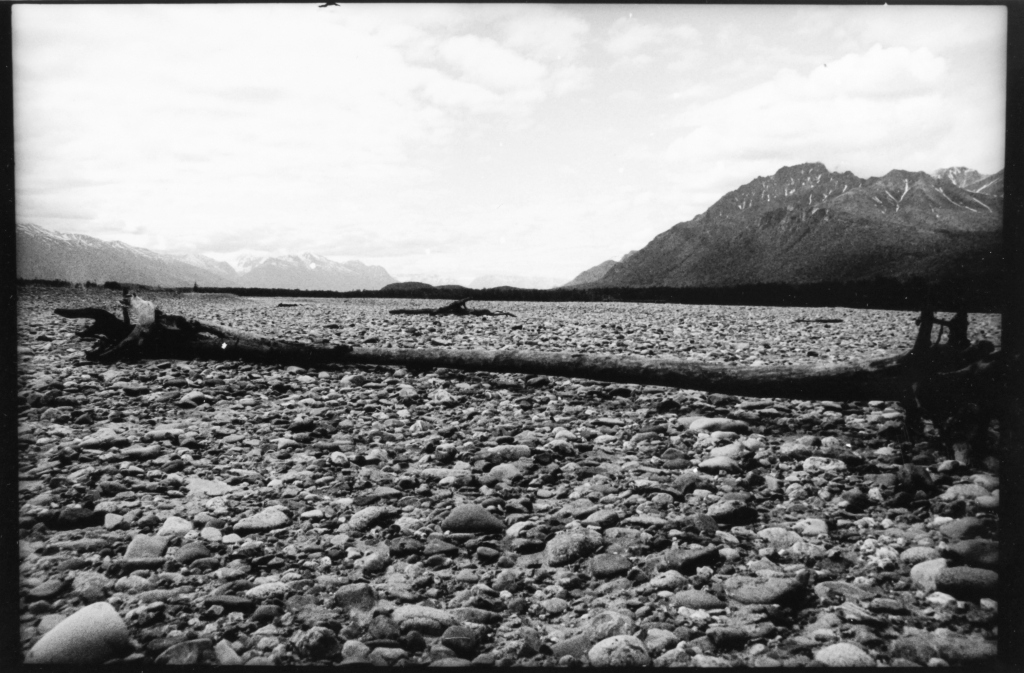
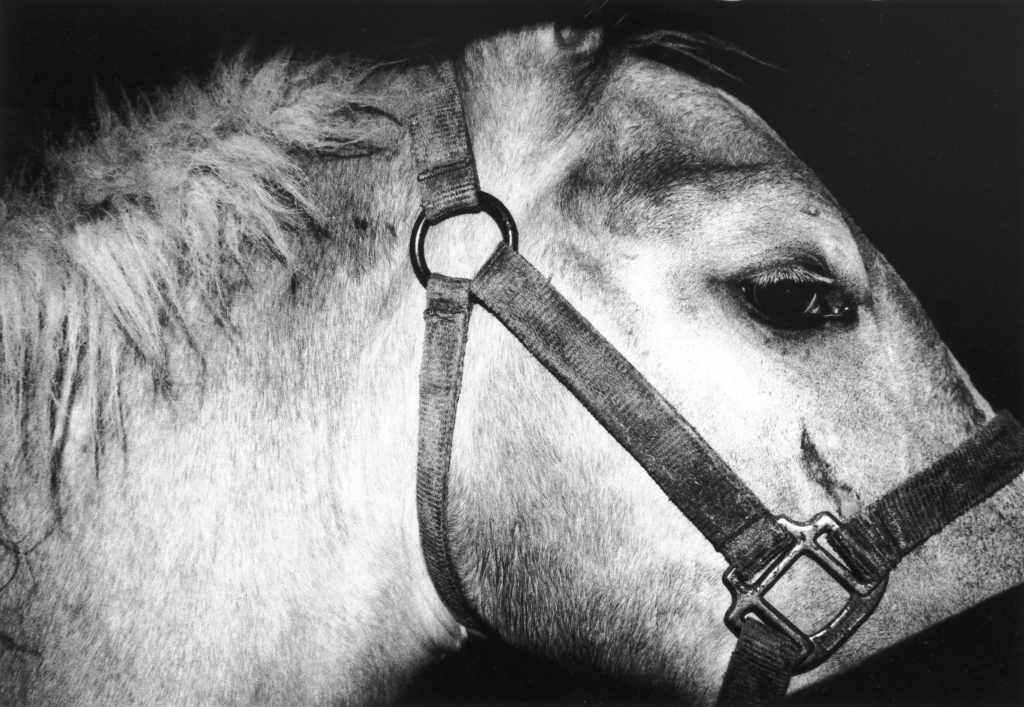
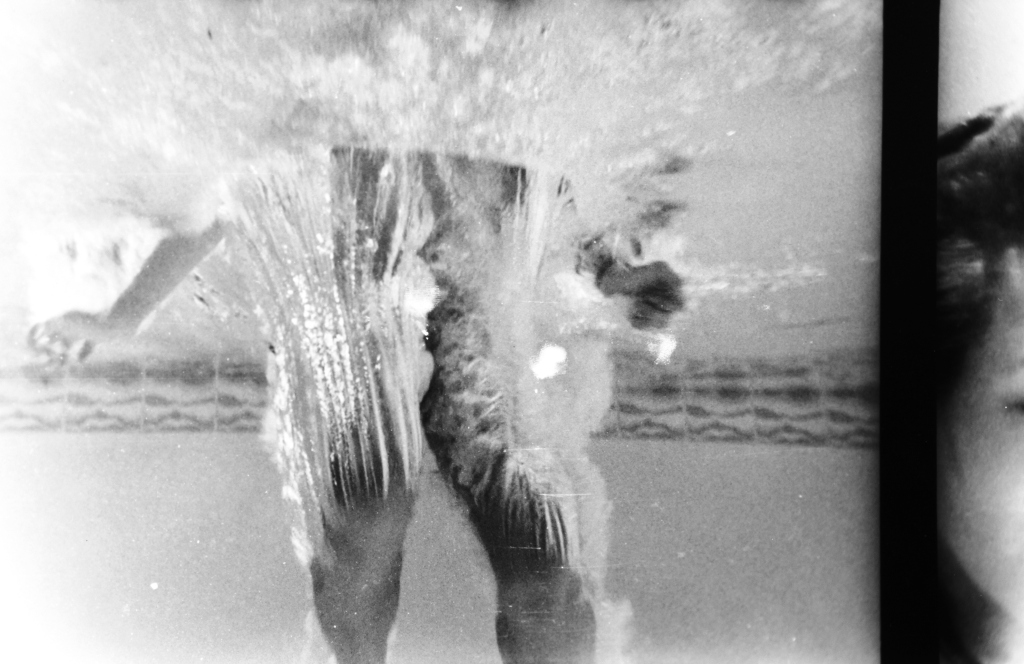
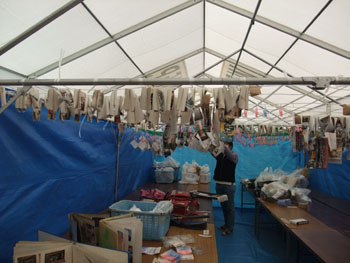
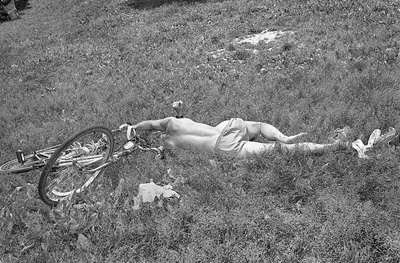
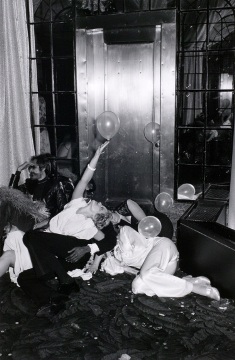
Here is a semi-arbitrary selection of pieces made by members of the AP class, which were made into digital files during the week before the equinox. We hope you find all of it engaging; it’s a promising start to the year. My bad if anyone is left out (or represented twice).

The workflow is: 1. Pry the work from the artists’ clutches. 2. Make digital copies, often whilst chewing or before sunrise, or both. 3. Transfer the files to a work station that is balanced on one’s knees (cf. Mr. Nicholson). 4. Clean up the borders; guess which way is up for some; compress the files to a practical size (and not touch up the charming dust spots). 5. Drag ’em into this post.

Having done those steps, we note that the pictures were made by Kendall Wallin, Margaret Rajic, Rachel Parker, Nikki Nixon, Corey Nguyen, Sam La Bar, Justine Kaszynski, Michelle Henneberry, Dr. Emma Haney, Jamie “Aubergine” Gray, Nicole Galanti, and Chanelle “Tubs” Biangardi. (Lemme know if this is less than accurate.)

Not Dead.

Yet. (Ever?)

Many of you know how this guy feels:

http://theonlinephotographer.typepad.com/the_online_photographer/2011/09/random-excellence-the-lazy-aussie.html

Artist’s Statement: Natalie Krick

A good one. Concise, literate, just enough.

“This work revels in the gap between idealized images of glamour and the failure to create a flawless feminine appearance. I am interested in deconstructing traditional ways women are decorated, posed and photographed. Through repetition and exaggeration of gesture and color these photographs emphasize the clichés used to visualize female sexuality. I want to complicate the pleasure of looking by creating a tension between attraction, aversion, intimacy and artifice.

“The women depicted in my photographs are styled to exaggerate the artifice of cosmetics and the flawed distortion of prescribed beauty. Their poses reference traditions depicted in soft-core pornography, the pin-up, celebrity portraiture and fashion photography. Perceived as both alluring and garish, the use of glossy saturated color and the harsh revealing light encourages scrutiny. The flaws on the body and the act of styling disrupt the construction of the façade and reveal the corporality of the body.”

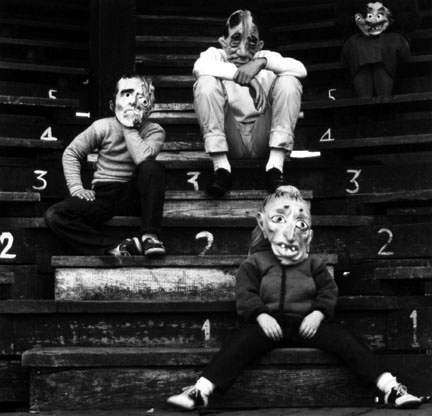
Meatyard

Get thee downtown and bring your student ID, ut get in to see an exhibit entitled Ralph Eugene Meatyard: Dolls and Masks.

http://www.artic.edu/aic/exhibitions/exhibition/meatyard

Omigosh! It ends this Sunday!

Extremes on a spectrum of artists’ statements

Which of the following statements is more specific, more elucidating?
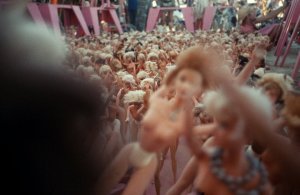
John Kilar: “These images represent the juxtaposition of the timeless and majestic elegance of nature’s sensory-surpassing miracles with the entangled and growing tensions of our time in culturally reconnecting with the shift away from the human condition of love.

In developing my visual perspective, I’ve discerned the fleeting significance from the invariable through emphasizing the growing collective disdain for the socially underdeveloped that has come to define our generation and crystallized over the last decade.

Through highlighting this generational discontent in honing its cultural responsibility of deconstructing traditional understanding of social roles against the unrefined purity of the emotionally captivating cycles of nature, my work serves as a middle ground to visually level and gauge the social progress of man by means of extremities occurring in class stratification.

In giving careful attention to the mediating filters that propagates socially-constructed irreverence, I aim to address the necessity of breaking down the symbolic paradigms of understanding to revisit the overlooked empathy for humanity and its greater accountability to each other.
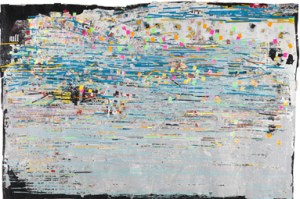
Mark Bradford: “I want to engage a social, political conversation about the contemporary world that I live in or my relationship to it, and at the same time I want to abstract it.”

(Perhaps this will come in handy for you at some point in the not-too-distant future: http://www.pixmaven.com/phrase_generator.html)

(Or this: http://www.artybollocks.com/)

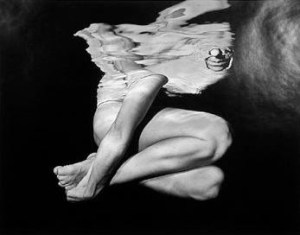
Actually, here is a very cogent statement by Connie Imboden, not unrelated to a “Commentary” for a College Board portfolio:

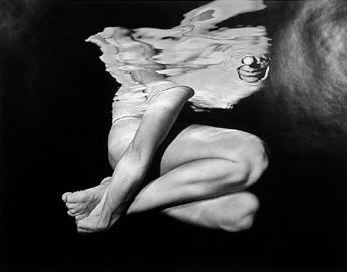
“These images are seen through the camera, they are not manipulated in the darkroom or computer. I am often amazed at the shapes and forms that have appeared in my work. My intention has always been to explore the body, not to alter it. I want to find the camera angle from which the forms can be the most that they can be – whatever that is. If it is a grace to the limbs, then I want the angle from which that grace becomes the absolute most it can be at that moment. And so it leads me on, to explore angles, space, reflections, and light. I strive to make forms make sense visually and trust that the metaphor, the poetry, will follow.”
More W. o’ W. from John Szarkowski

“It is often thought (by non-photographers) that documentary photography records something that was evident before the photograph was made, but in fact good photographs are the product of discoveries made within the process of photographing.”

“When the photographers are sharp-eyed and clear-minded their pictures can seem to describe the very flavor of the moment—the fulcrum on which the present changes to the past.”

Photo De-Kigali-Voto

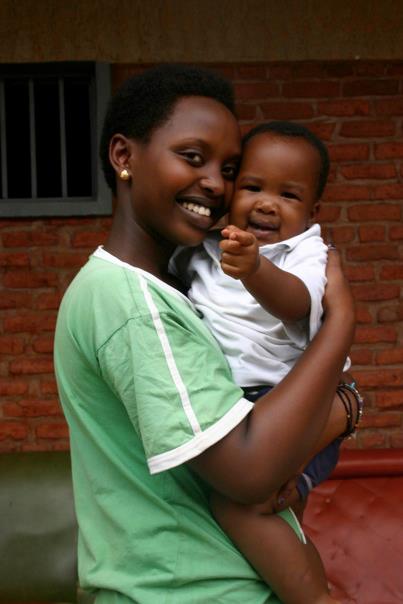
Claire McGillem’s in Rwanda (!) and y’all can follow along at http://rwandaramblings.wordpress.com/

A Kelly Stachura exhibit at the Barrington Area Library

Not my text (but apropos verbatim):

“A scavenger hunt, paper airplanes, fortune cookies, lottery tickets, and a card catalog that isn’t quite what it seems – it all adds up to artist Kelly Stachura’s amazing vision of what libraries have been and what they can be to users and their communities. Check out the exhibit, meet the artist, try the scavenger hunt.”

A very good time to attend is this Wednesday evening at 7:00. The library’s website says: “Learn about Stachura’s creative process and be prepared to interact with her exhibit via unusual channels, such as fortune cookie messages, a library scavenger hunt, books in which you do the writing, and a ‘wake’ for obsolete technology.”

http://triblocal.com/barrington/calendar/2011/09/14/barrington-artist-kelly-stachura-gallery-in-the-library-artists-program/

Memory rescue, writ large

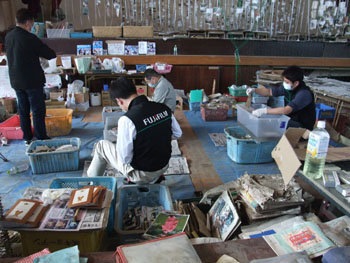
The images of images in this video remind me a bit of the nitrate film stock in “Decasia,” but addressed with honor (rather than as found art or a conceptual collage edited to music).

http://www.guardian.co.uk/artanddesign/video/2011/aug/31/photographs-japan-tsunami-restored-video?INTCMP=SRCH

W. o’ W.: Tod Papageorge

“I think that one source of the frustration I’ve always felt about the eventual supremacy (at least for a moment) of postmodernism, and even about staged photographs—which was something nobody seemed able to understand (outside of Szarkowski, but certainly no art historians and certainly no editors at October magazine)—is that we knew we were making fictions. We knew we were creating something, in many cases, out of nothing. Or nothing more than the conjunction of objects and people in space. The unspoken expectation was that an intelligent person would look at something like what you described and say: ‘Well, obviously that never happened. The photographer has, in effect, through perception and response and training and whatever else (such as poetic presentiment), created this, this made thing, this piece of art.’ Now, perhaps you’re not interested in it as art. Perhaps you don’t think it’s as wonderful as a James Rosenquist painting or something else. Yet it is art, something fabricated out of the unfabricated dross of passing life (while, paradoxically, still trading on the indexical heft of that dross). Unfortunately, however, it turned out that most people needed to see the literal lineaments of fabrication—the studio effect—to recognize that art-making had occurred. I’ve always believed, in fact, that it was a terrible relinquishment on the part of the so-called “intelligent audience” not to be hard enough on itself to understand that, but of course I would believe that, given my position as a photographer-in-the-world. It’s been a decades-long frustration, though, and I guess always will be one, because people tend to see photographs as simple, literal recordings of the way things were at a particular moment unless—these days through scale, color, and a certain residual sense of the embalmed that the studio and Photoshop often lend to them—they effectively brand themselves as having been deliberately manufactured.”

Read the entire interview in the current issue of Aperture.