W. o’ W.: Luc Sante

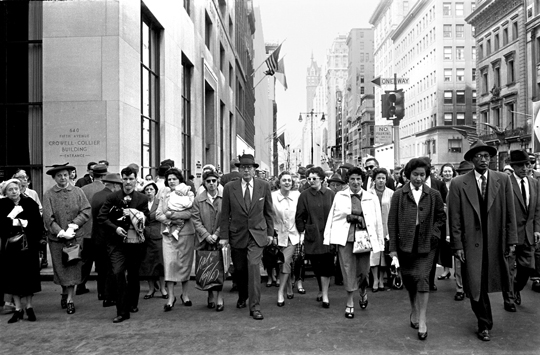
Regarding “the foundational paradox of street photography:”

“Its practitioner is right there in the middle of the scene, ostensibly a biped like any other, subject to the same conditions of weather and traffic, and yet the photographer’s eye is of necessity detached. The photographer’s job is to part the veil of pretext–the business or pageantry or camaraderie or regimentation that ostensibly determines the meaning of the tableau–and isolate the specifics, which may well reveal a completely different and perhaps violently contrasting truth. This work separates the photographer from the other actors on the scene even if he or she shares their beliefs. Maybe at length it will chip away at those beliefs. Maybe the discipline imposed by the task will cause the photographer to question the bases of whatever presents itself to his or her eye, and not just the camera’s lens. Maybe the eye and the lens will become so interchangeable that the photographer will in a sense be perpetually working. It’s a lonely job.”
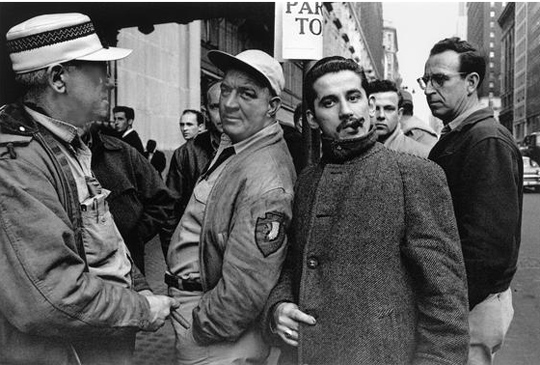
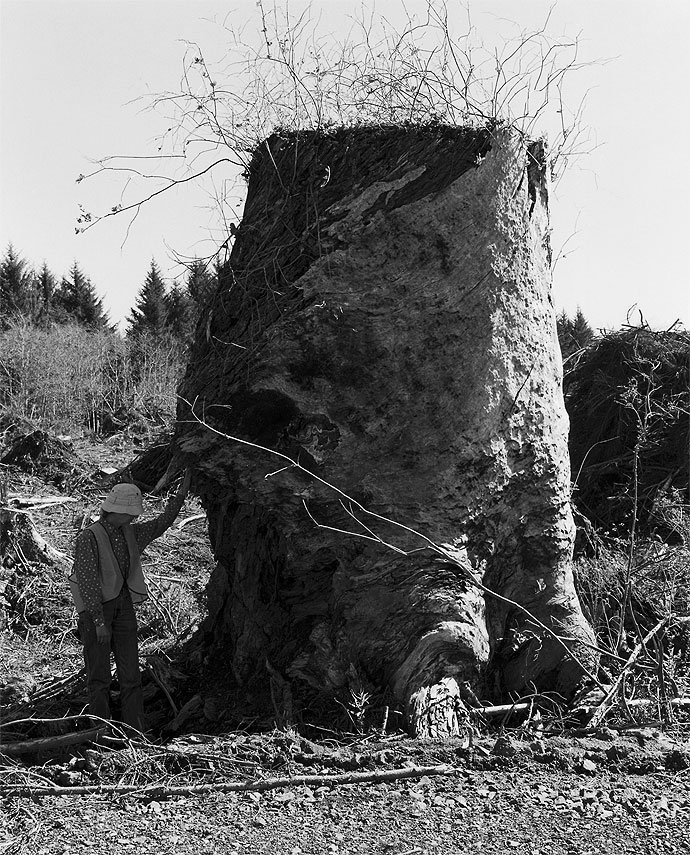
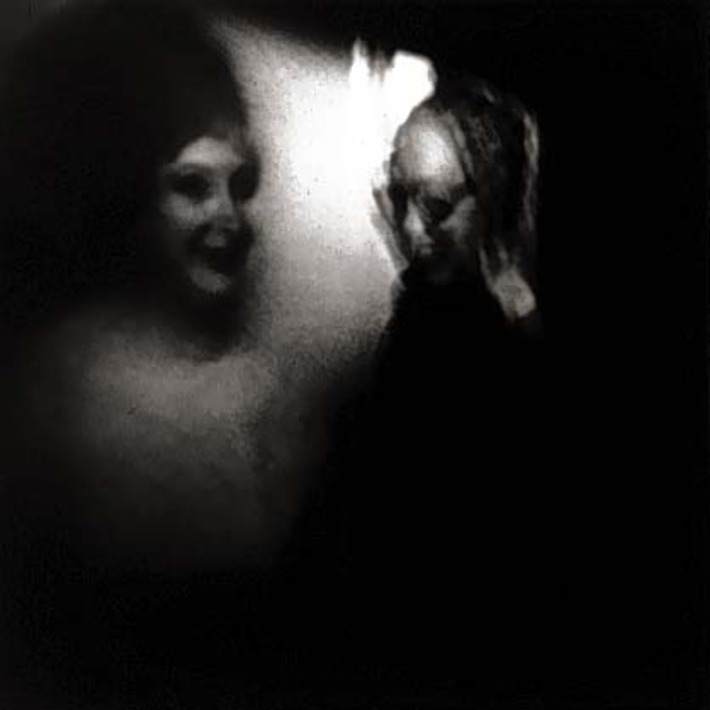
The rest of this essay, and these images, are in Simpson Kalisher’s recent book (his third in fifty years), “The Alienated Photographer.” Get this book.
W. o’ W.: James Luckett

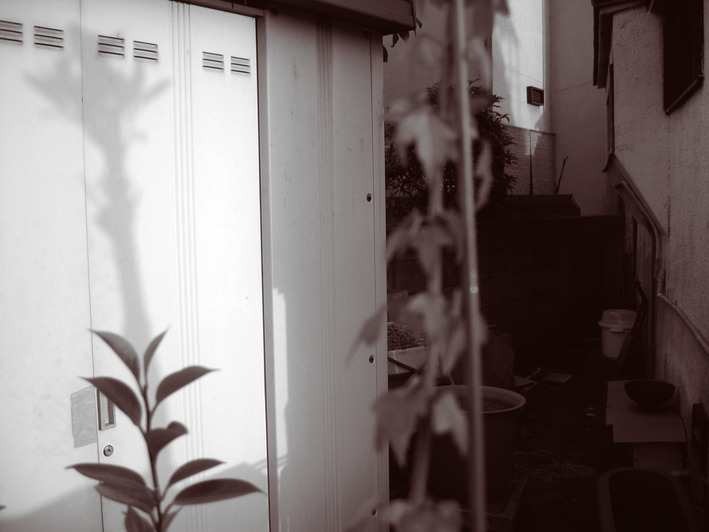
“I quit every other day and the other days I don’t even bother. I should’ve been a poet or a painter, or even smarter, taken those automotive repair classes in high school or got a good job at the shipyard like everyone else. Maybe I should’ve went to a vocational cooking school, or better pestered my mother into buying me an electric guitar when I was twelve so I could’ve run away at fifteen to a southern California suburb to star in an angry punk rock band. Instead what I’ve got are cameras, film, a darkroom I can’t afford, chemicals and paper. Yet even with these riches I scarcely manage to fit any one thing worth your whiles to the confines of the material, never mind the unending erosion, for better or worse, of my very own wiles. It’s a feeble medium and it’s not keen to forgive. On my best days I think to tell the world important things, but let’s be honest, I cannot. It doesn’t work that way. It’s the cameras that do the telling and the most they ever tell me is what I’m in need of knowing. I scratch out the bits and pieces I remember and do what I can to smuggle them out to you. I try my best. I try to guess where you’ll be. I try to pronounce the languages you might speak. I try to carry on the mannerisms that might make your mind. I don’t know. The cameras don’t care what they do. The cameras don’t need to be used. There are long lonely days when I think the cameras are just fine by themselves as if maybe I should’ve been somebody else. Like what I should’ve been is a clerk, a conductor, an electrician. Some kind of catalyst. Pure and invisible.”

http://consumptive.org/


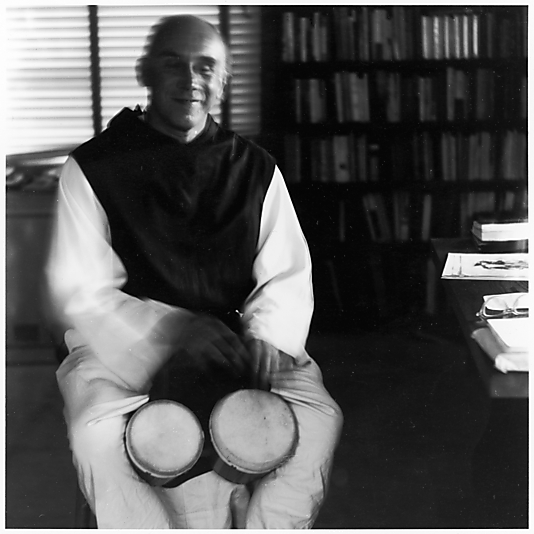
W. o’ W.: Thomas Merton

“Happiness is not a matter of intensity but of balance, order, rhythm and harmony.”

Hmm… so, good photography=happiness!

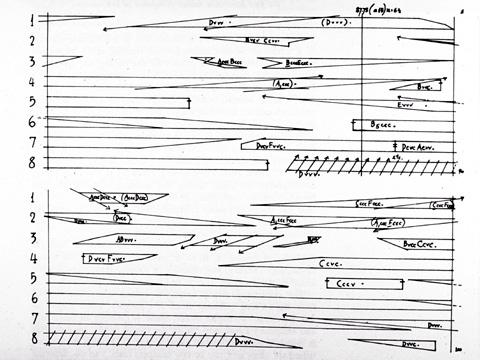
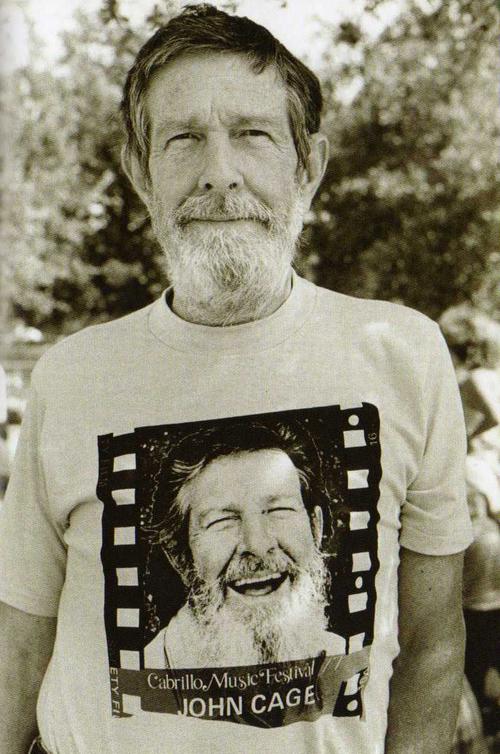
W. o’ W.: John Milton Cage, Jr.

“I think society is one of the greatest impediments an artist can possibly have. At every point society keeps you from doing what you have to do.”

W. o’ W.: James Elkins

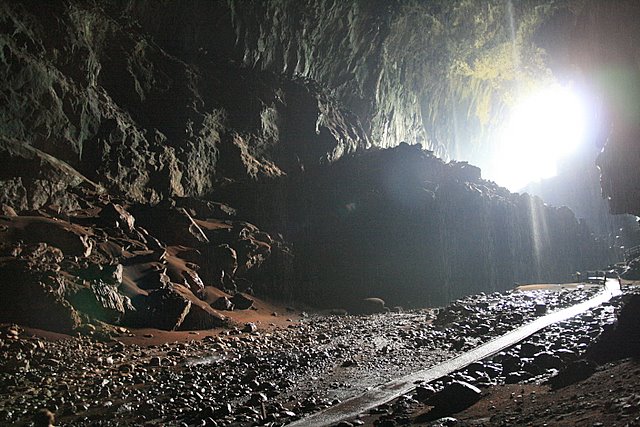
From Why Art Cannot Be Taught: “There is a cave chamber in Sarawak so large that it could hold five football fields—the largest subterranean chamber in the world. When it was first discovered, the spelunkers had no idea what to expect. They were walking up an underground stream when the walls diverged and left them staring into darkness. The room is so large that their headlamps could not pick out the ceiling or the walls, and they spent the next sixteen hours working their way around the room, keeping close to the right-hand wall, intending to keep going until they got back to the entrance. At times they were fooled by “house-size” boulders that they mistook for walls of the chamber, only to find that they were giant boulders fallen from the ceiling. At one point one of the cavers panicked, but eventually they all got out. Pictures taken on later surveying expeditions show the spelunkers’ lights like little fireflies against a measureless darkness.

“I think of this book in the same way. Like the people on that first expedition, we are not about to figure out very much of what takes place in art classes. There is still a good probability that we will get badly lost thinking about art instruction—and I think parts of this book do get lost. Perhaps that’s the best way for things to be. The cave will certainly be less interesting when it has electric lights and ramps for tourists. Isn’t the cave best as it is—nearly inaccessible, unlit, dangerous, and utterly seductive?”

W. o’ W.: David Hockney

Martin Gayford has written an excellent new book titled “A Bigger Message: Conversations with David Hockney.” (I added the colon.)

“Photoshop is intended to polish photographs, and the consequence is those dreary magazines where everybody looks the same… This is what’s happened to photography. Have you ever seen Hello or OK? Everything is now evened out, polished.”

“[Henri] Cartier-Bresson fitted perfectly into a technological period. To do what he did you needed the development of the faster film and the handheld camera — which was the Leica around 1925. That was the first practical and popular 35mm camera. Before the handheld came in, you needed a tripod for everything, so photographs couldn’t be made quickly. The Leica made it possible to snap high-quality images. So Cartier-Bresson’s era was the technological epoch between the invention of the 35mm and the beginning of the era when computers began to have an effect around 1980. He was the master of that period: a fantastic eye. He began when the Leica was invented, and he gave it up a little before Photoshop was invented. His rules — don’t crop the picture, for example — would be incomprehensible to a young twenty-first-century photographer. You couldn’t have a Cartier-Bresson again, because you would never believe it. Today it would be artificial.”

“Most people think time is the big mystery, don’t they? But you can’t have time without space. There’s a marvellous Wagnerian line, in Parsifal: ‘Time and space are one.’ That’s from 1882, before Einstein. It’s inconceivable to us to imagine that space might end, isn’t it? What’s there if there’s no space? And when you are looking at the furthest places in the universe, you are looking back in time. Your brain begins to burst when you try to think about it seriously; you could make yourself a bit mad.”


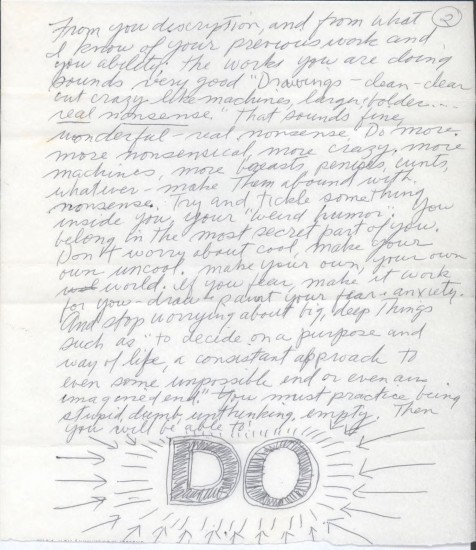
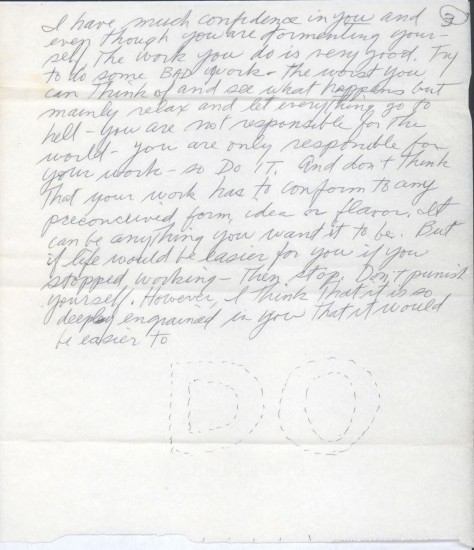
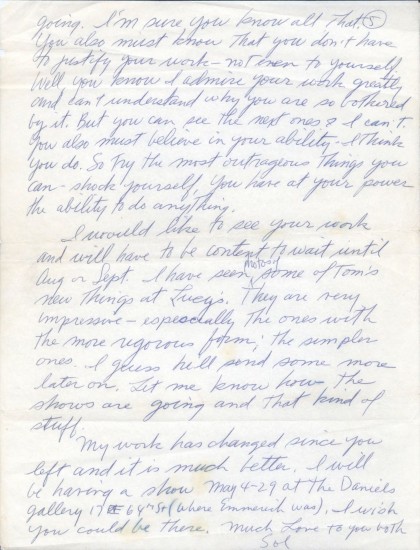
“Dear Eva: Just Do.”

Sol LeWitt’s encouraging epistle to Eva Hesse in 1965. LeWitt was 36 at the time; Hesse was 28, and was to live for only six more years.

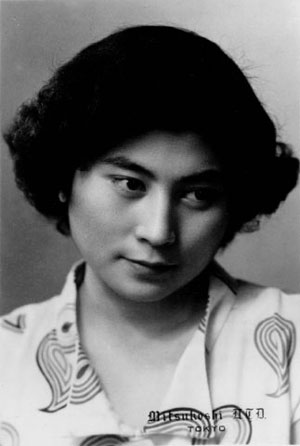
W. o’ W.: Yoko Ono

“Experiencing sadness and anger can make you feel more creative, and by being creative, you can get beyond your pain or negativity… [W]hat I create has to do… with myself. When I express myself, I feel free.”

Read 5 things she knows for sure: http://imaginepeace.com/archives/17703


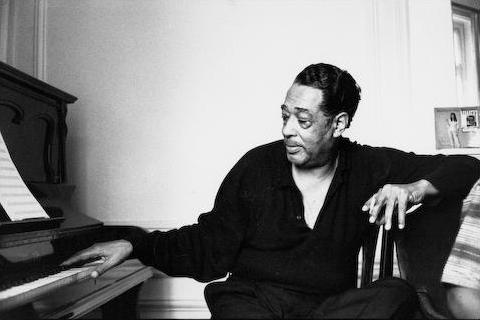
Edward. Kennedy. Ellington.

Duke would have been 114 today. No, wait: he is 114 today, because the music is alive.

http://www.youtube.com/watch?v=NhbAGKb7VCw&feature=share

http://www.youtube.com/watch?v=A4YdERiF0sA

Q. o’ th’ D.: Robert Adams

“The challenge for artists is just as it is for everyone: to face facts and somehow come up with a yes, to try for alchemy.”