2015/04/18
Categories: AP, Classroom, Words of Wisdom . . Author: mrdplus . Comments: Leave a comment
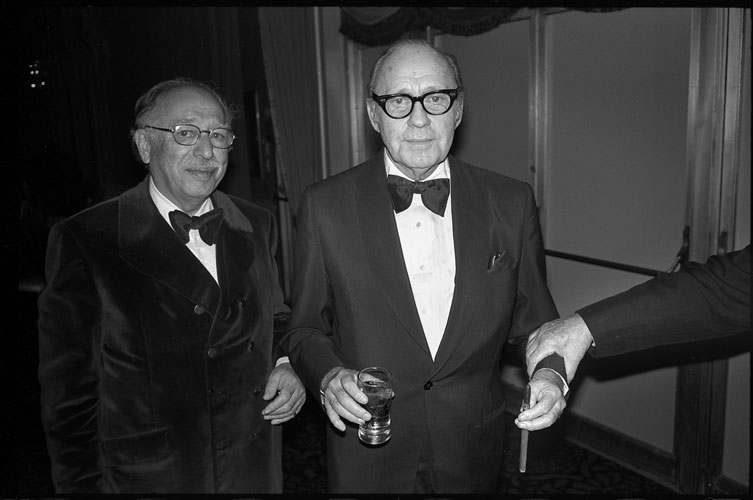
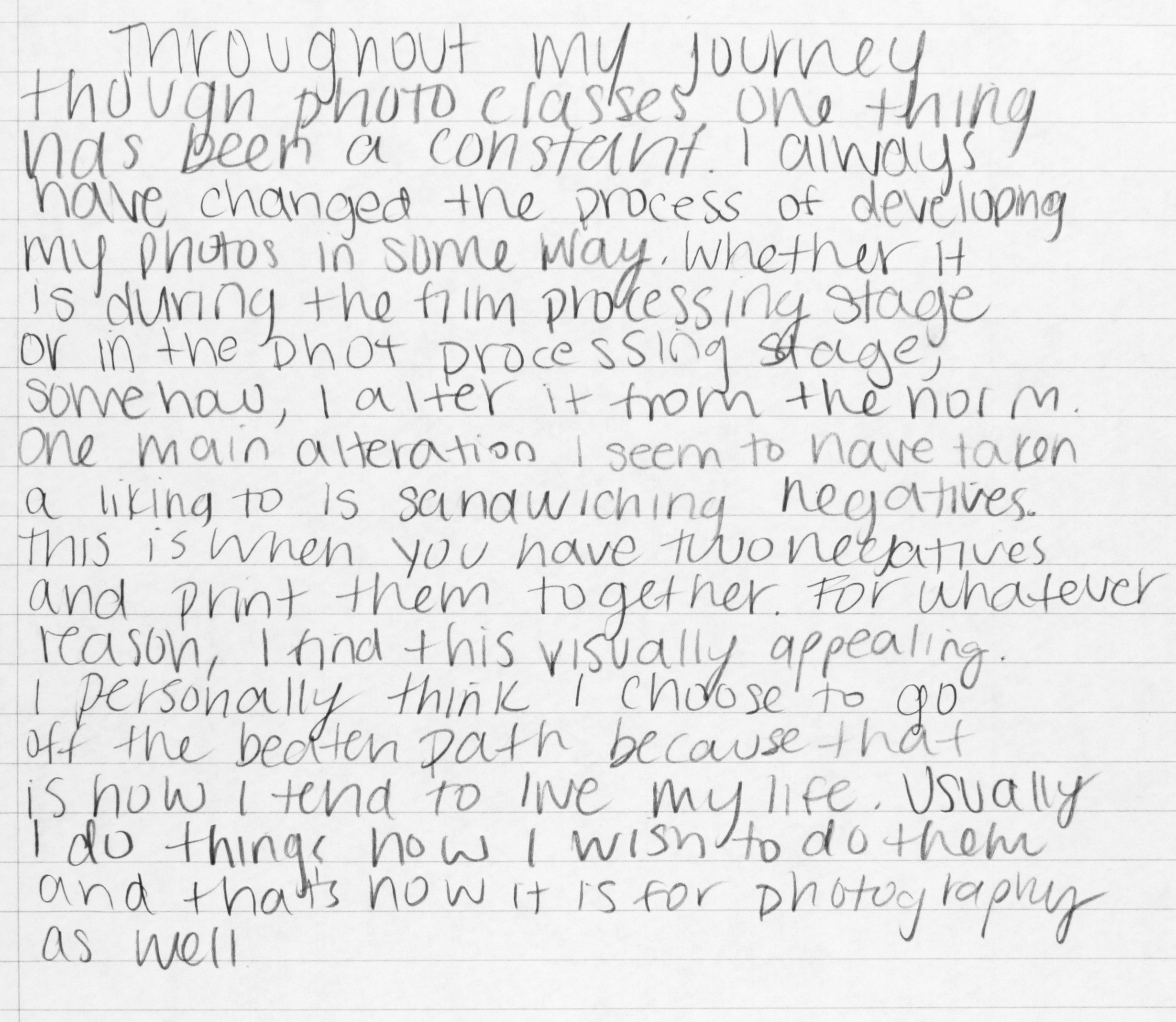
“I have friends who went to fine art school, then they had to get regular $ jobs. Weddings, portraits- advertising work, etc. A lot of us did. If you do that too long, your subconscious can go from edginess to Hallmark cards- Photoshopping for salable perfection, losing the original grit and soul. It can become your norm. So you venture back into an art project and you find yourself cleaning up a skin blemish, trash on the street, or a powerline that’s in the way- just because you can.”
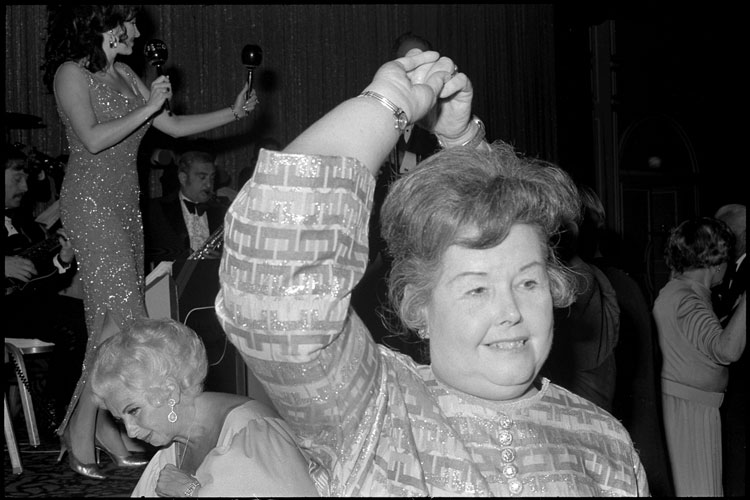

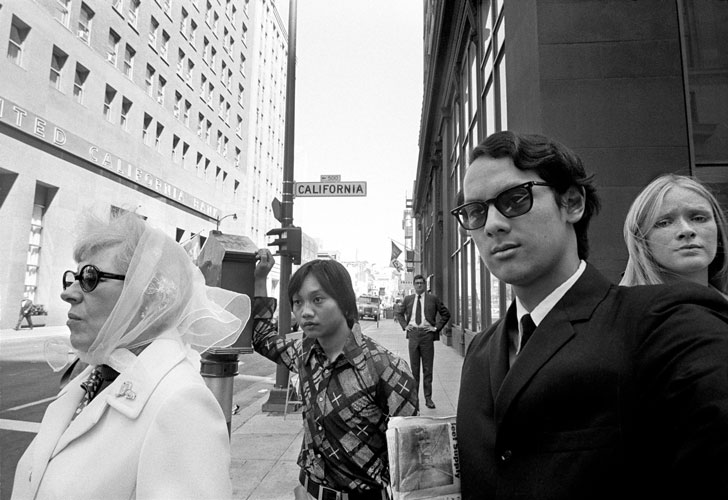
http://blakeandrews.blogspot.com./2015/03/q-with-michael-jang.html
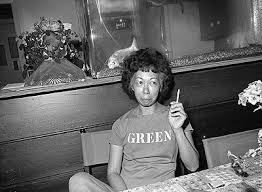
“A photograph is a secret about a secret. The more it tells you the less you know.”
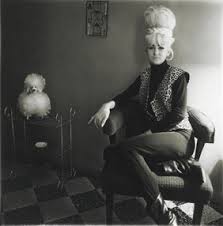
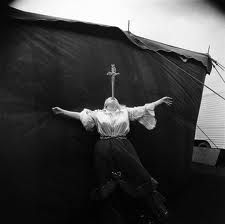
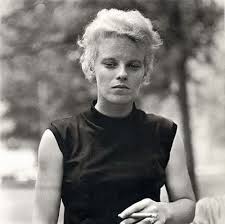

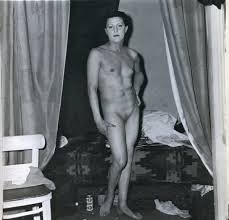
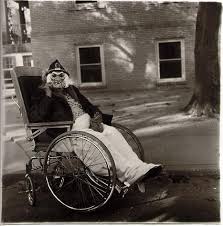

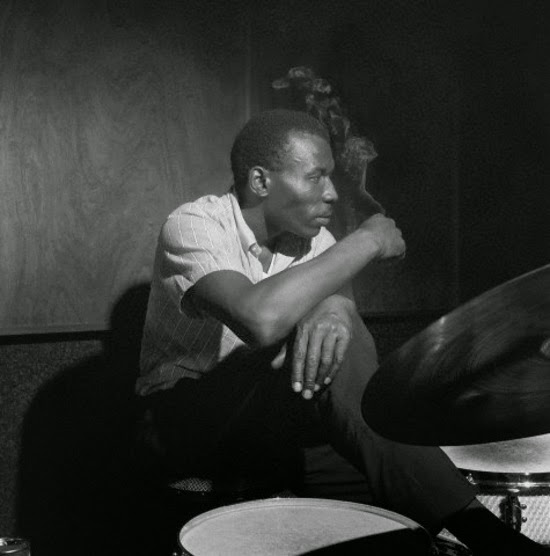
“First of all you have to listen till you can hear it and then you have to play until you can play it. It‘s as simple as that.”
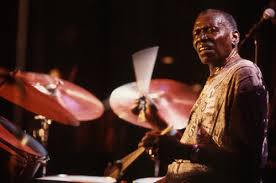
“I tried not to make mistakes, and sometimes you make them anyway. It‘s just that one has to be aware, constantly aware, because things don‘t happen by themselves. Your intellect is guiding everything. Your experience with your instrument gives you the wear-with-all, the confidence to know that you can play any pattern that you wish because you‘ve worked on it for 15 or 20 years. You should feel confident in yourself in that way, I know I do. It never bothers me. If you want to play, play! I try to do the best I can.”
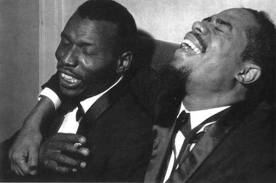
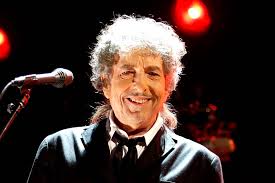
“Critics have made a career out of accusing me of having a career of confounding expectations. Really? Because that’s all I do. That’s how I think about it. Confounding expectations.
‘What do you do for a living, man?’
‘Oh, I confound expectations.’
You’re going to get a job, the man says, ‘What do you do?’ ‘Oh, confound expectations.’ And the man says, ‘Well, we already have that spot filled. Call us back. Or don’t call us, we’ll call you.’ Confounding expectations. What does that mean? ‘Why me, Lord? I’d confound them, but I don’t know how to do it.'”

“When you make a picture by yourself… and you look at it, just looking at it is one thing and then when you show it in class for other people to see, it’s something else. Sometimes, the pleasure from the picture disappears completely, the meaning of the picture, the value of the picture. Then when you take that same group of pictures and you put it up in a public place, it is something else again. The picture is being given a trial at various stages; it is being tested. You see it differently; you see it on the wall; you see it more in relation to other pictures, or you think about it in that way. So that there are various conditions under which you see it. In the book it is different, too. So all these conditions will arouse different kinds of thought, different kinds of feeling. Hell, what else do you want from a picture.”
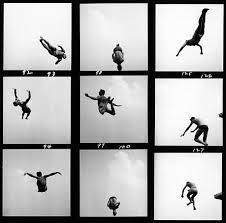
“We don’t know what photography is. Photography is what people make it. All it is is just a matter of definition and a definition is merely a matter of convenience. Any statement of what photography is always comes after the photography has been done, it doesn’t come before. So the definition to a large extent is determined by the practice, and I think it is too early to say you can do this, you can do that, and you can’t do the other thing.People are trying to protect their little area and it is a lot of nonsense. Sometimes the motivations are clean and clear and other times they are not. You use whatever you can or you use whatever people around you are using, so that they can understand what you are doing. Nobody make photography by themselves; it is all made in groups. People are influenced by each other. All of these statements about what is right and what is wrong about photography is a wrong way to approach it. Then again, it is what is meaningful, what is beautiful, what is exciting, what is esoteric, what realizes certain ideas you have—ideas of forms and so forth. Those are the things that matter. And in the end what matters is the pleasure you get out of it. Not fun-pleasure, but deep-pleasure.After all, art is not necessary; it is an ornament.It is something else, something that flows out of the civilized parts of our nature. You can live without it, but you live much better with it.”
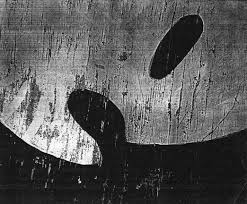
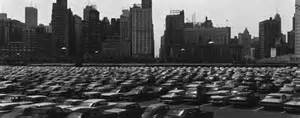
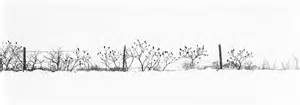
“My collection has a nice, utilitarian use, or a cross-discipline use. In many respects, these photographs can’t be done again, because the landscape has changed. The way it looked in the past doesn’t exist anymore, except in someone’s memory. To show you where I am, I like it when retired people want to buy prints to take with them when they leave the Midwest. People send my book out like a postcard. There’s nothing wrong with that.”
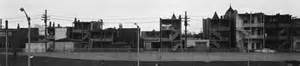
“The attitude that considers photography ‘art’ is wrong to me. I’d really rather call myself a photographer than an ‘artist.’ I don’t know the difference, except I have the term ‘arty-farty’ in mind. I’m not rejecting the fact that my photographs are in art museum collections, but I’m not pursuing my work for that reason. I do it for myself.”


Footnotes:
1. As always, click on the images to enlarge.
2. This is post #800. Yay.
Joerg Colberg tells you why.

“Unless I told you you’re looking at my mother, I’d be foolish to assume you’d know that. Seen that way, photography actually is a very limited and problematic medium, which is, I’d argue, the only reason why it can be art: it looks like it is telling you a lot, but in reality, it isn’t.”
“Don’t approach writing about your photographs by making them first, and then getting to writing about them. That’s not a good idea. Instead, take photographs and write. Look at what you have, both in terms of pictures and of writing, and see what works. Constantly re-evaluate what you have.”
http://cphmag.com/how-to-write/

“I’m not balanced; I’m imbalanced. It’s a scramble being an artist in America. I guess in my case, I’ve taken on more challenges than necessary. It’s probably because as an artist you want to keep growing and keep learning and transforming. What all these things do for me is they lead me somewhere outside of myself, and that’s nourishing. Because otherwise, I’ll just be spiraling in the same area forever—and that sounds, to me, terrifying. Not to say that you can’t stay with one thing and go deeper in; that’s also very enriching.”
“I never thought of seeing as a skill. I think it is an ability that can be educated and can go further. Thinking is important too. Seeing is a kind of thinking. It is an act of engagement or consideration.”

http://blakeandrews.blogspot.com/2014/12/q-with-elaine-mayes.html

 Creative Camerawork