George Santayana Weighs In
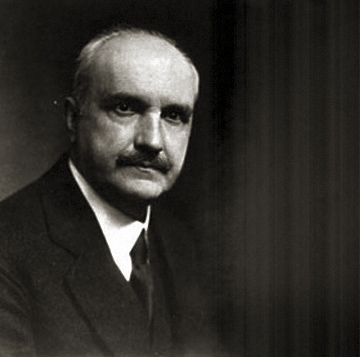
“Those who do not remember the past are condemned to repeat it.”
Only coincidentally, both these links happen to be to National Public Radio.
http://www.npr.org/blogs/krulwich/2011/02/04/133188723/tools-never-die-waddaya-mean-never
W. o’ W.: Robert Adams
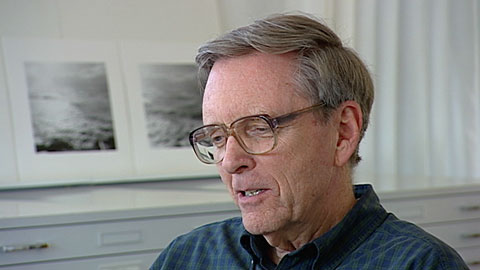
Here is the preface to the (35th? 36th?) 2010 book of pictures from the cliche-free photographer:
“In common with many photographer, I began making pictures because I wanted to record what supports hope: the untranslatable mystery and beauty of the world. Along the way, however, the camera also caught evidence against hope, and I eventually concluded that this too belonged in pictures if they were to be truthful and thus useful.
The only people of whom I knew who had in some measure resolved the conflict were writers like Emily Dickinson and painters like Edward Hopper, individuals who searched the world so diligently that they occasionally caught glimpses of another. Theodore Roethke’s notebook entry was the victory I wanted: ‘I see what I believe.’
As much as I try to stay away from abstractions, I often find myself asking three questions, and I repeat them here as a point of entry into this book: What does our geography compel us to believe? What does it allow us to believe? And what obligations, if any, follow from our beliefs?”
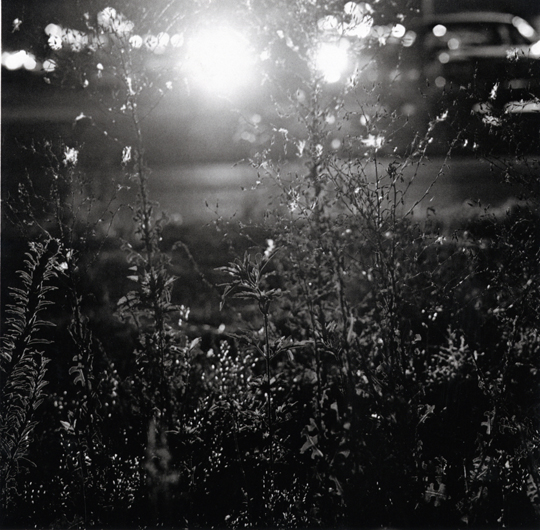
W. o’ W.: Morton Feldman
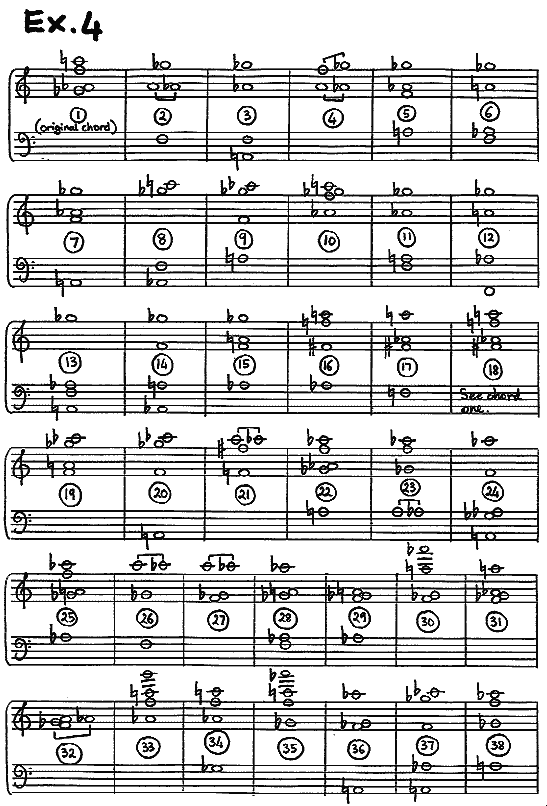
“As a rule I write in ink. It sharpens one’s concentration. Erasure gives you the illusion you’re going to make a more meaningful solution.
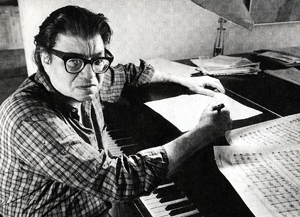
Some pages, there is nothing crossed out and it’s usually those pages when there is something of a continuity.”
W. o’ W.: Alfred Stieglitz
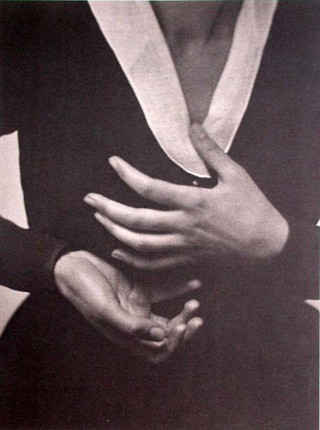
“If you place the imperfect next to the perfect, people will see the difference between the one and the other. But if you offer the imperfect alone, people are only too apt to be satisfied with it.”
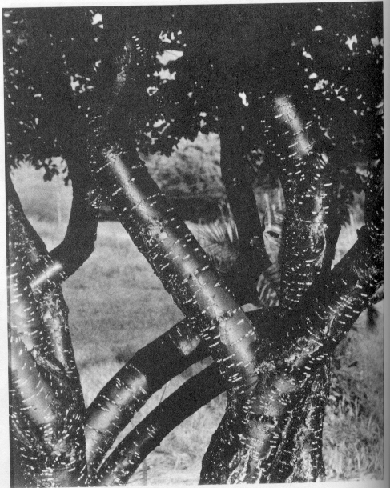
From you, Aaron
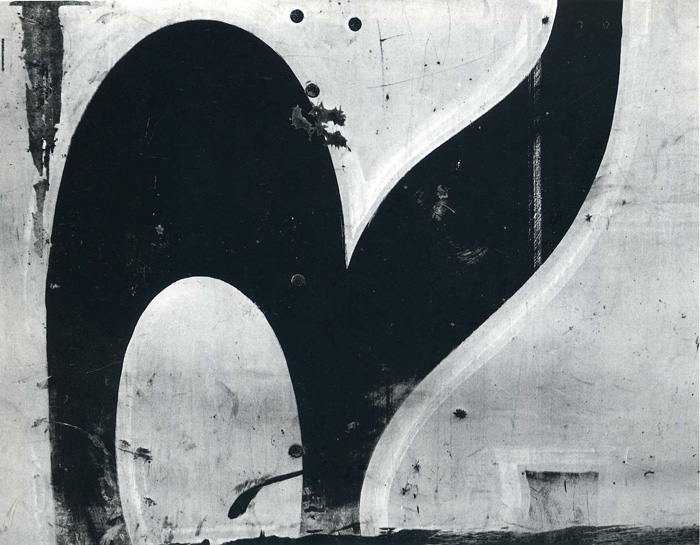
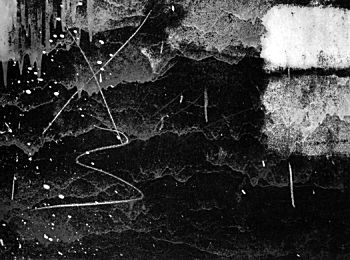
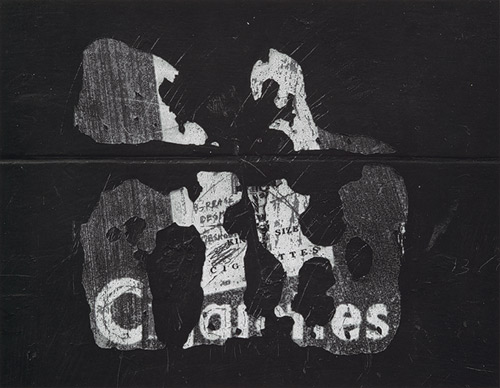
“When I make a photograph, I want it to be an altogether new object, complete and self-contained, whose basic condition is order.”
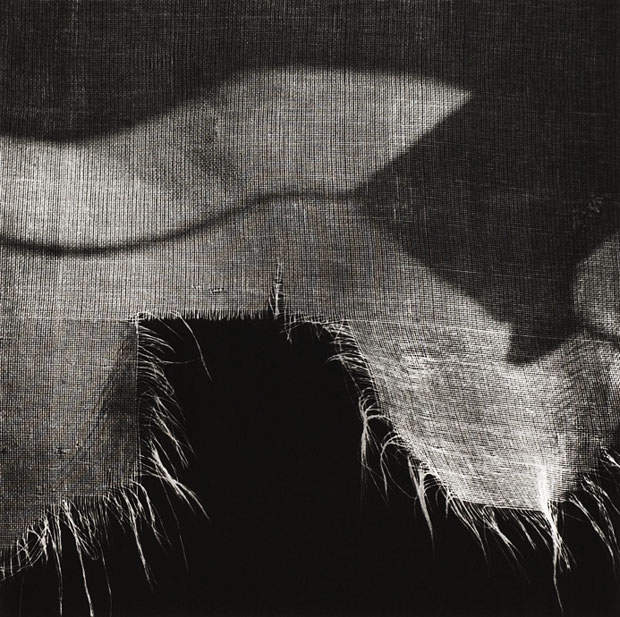
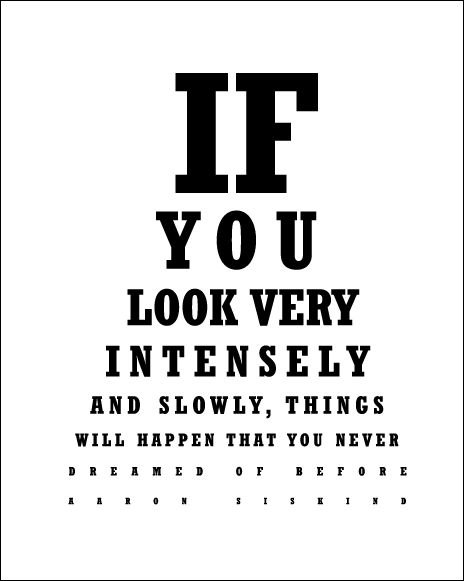
 “As the saying goes, we see in terms of our education. We look at the world and see what we have learned to believe is there. We have been conditioned to expect. And indeed it is socially useful that we agree on the function of objects. But, as photographers, we must learn to relax our beliefs. Move on objects with your eye straight on, to the left, around on the right. Watch them grow large as you approach, group and regroup as you shift your position. Relationships gradually emerge and sometimes assert themeselves with finality. And that’s your picture.”
W. o’ W.: Alec Soth
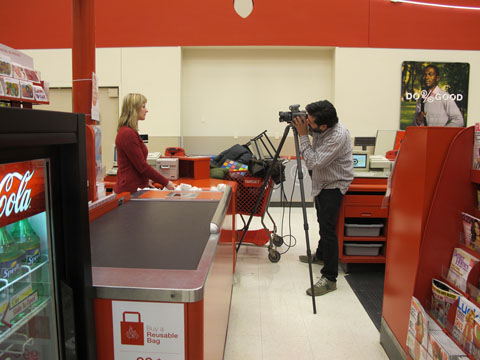
“Photography is light hitting an object. So if you scout something, when you go back the next day — or three days after — the light is not going to hit that object in the same way.”
The Ann Arbor Area Crappy Camera Club
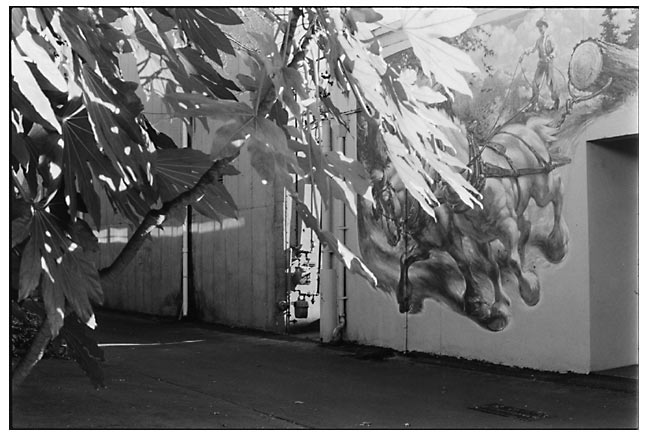
” The Ann Arbor Area Crappy Camera Club is a democratically based group of photographers who share some common interests. They are all using silver halide photography to make images. This means using film to express their various views of the world. The crappy camera moniker refers to cameras that to others may seem outmoded or obsolete. Devices such as old box cameras, toy cameras, Polaroid cameras, pinhole and zone plate cameras are a few examples.
“Many are into alternative processes such as cross-processing film, various printing methods like lith printing, salt printing and others which can be discovered and rediscovered. Some really enjoy using outdated film and paper just to see what whacked images they can get out of them. It’s always a surprise. These people get a thrill out of this kind of thing.”
A Manifesto
At this moment in history, the technical aspects of photography are receiving unprecedented attention. New cameras of amazing sophistication are breathlessly analyzed by photo magazines and websites. Photographers are draining their bank accounts attempting to keep up with equipment purchases.
But a few photographers are reacting against this conspicuous consumption and rampant technophilia.
The essence of photography – to place a particular frame around the world at a particular moment – remains unchanged. So some choose to pursue this act in the rawest possible way: by using the most obsolete, flawed, and low-tech cameras available. Most were created as economy snapshot cameras, some even as toys. Many are decades old. All share very limited controls, and optics of questionable quality; sometimes a mere pinhole.
The toy-camera aesthetic turns its back on sterile technical perfection. Instead it celebrates the
messy unpredictability and dreamlike imagery that only a truly rotten camera can provide.
Bad news; good news
Blake Andrews: “Spending time in front of a screen editing images seems to be the way of photography nowadays. For my last few shows I haven’t even made prints. I’ve just sent someone a file. It’s Photoshop this, Facebook that, Flickr the other thing. Here I am this morning, typing this. Sometimes it’s hard to remember the joy of daily practice, just walking by a river on a nice day with a camera.”
OTOH: http://www.eugenegrid.org/pages/about.html

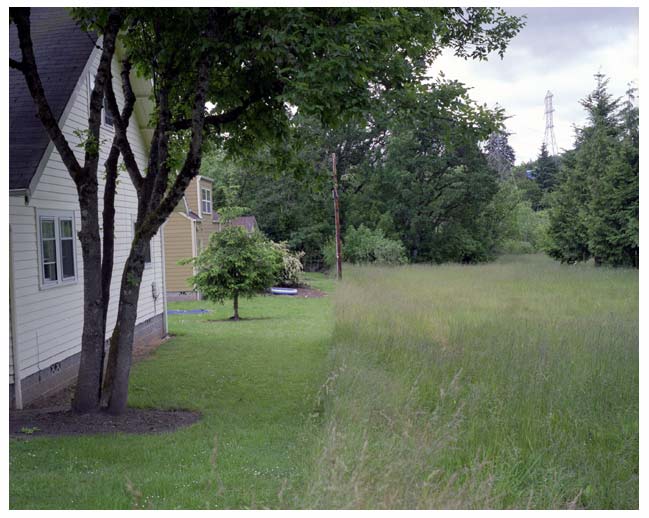

“B” on cameras & film
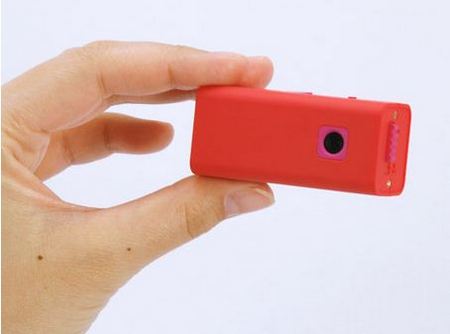
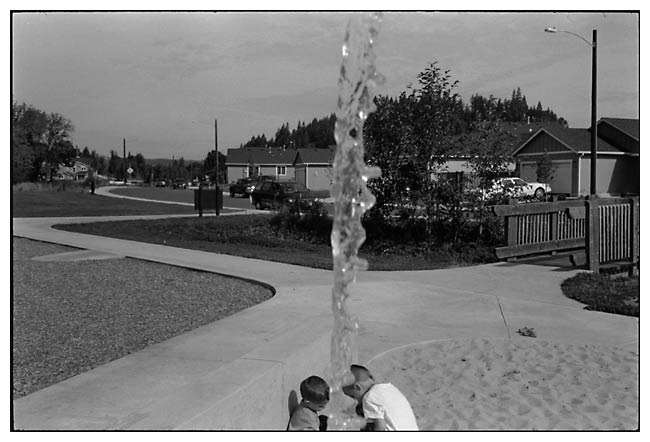
“…how do the tactile aspects of a camera affect the pictures you make with it? For me that is the big hump with digital. I hate the chintzy plastic feel of new cameras. They don’t engage me. I’d rather look through a viewfinder than at an LCD screen. I enjoy dealing with film, unwrapping it like a present, spooling it, and winding the advance with my thumb. Like records and bicycles, film cameras may be old fashioned yet they feel real and unmediated and good. The result of all this, for me at least, is that I make different photos with a film camera than I do with a digital one.”
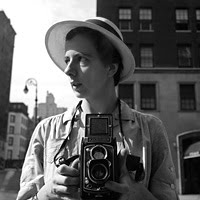
http://blakeandrews.blogspot.com/

 Creative Camerawork
