Click on “Re: Moi” (above), then click again on the box at the bottom of that page. You’ll get word, whenever.
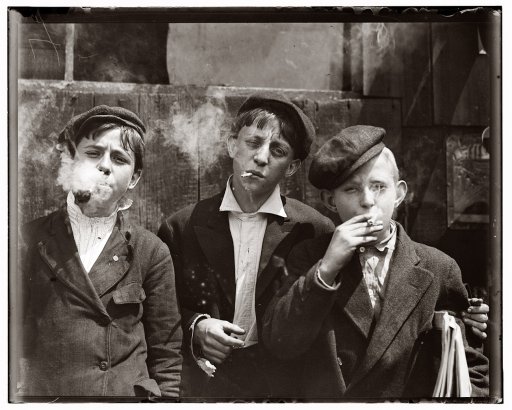
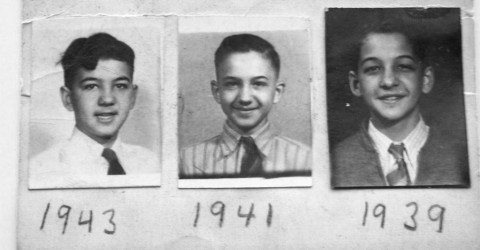
Click on “Re: Moi” (above), then click again on the box at the bottom of that page. You’ll get word, whenever.
Four more: road trip to Minneapolis.
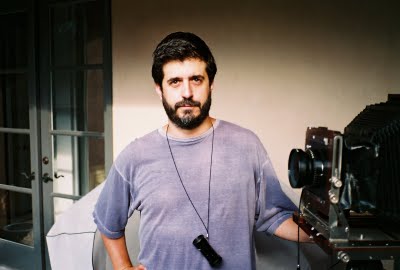
Watch: http://www.pbs.org/newshour/bb/entertainment/july-dec10/pledge_12-02.html
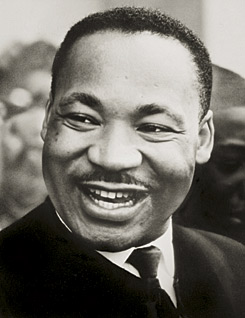
For the record, Dr. Martin Luther King addressed jazz publicly once, when asked to contribute a short essay to be read at the 1966 Berlin Jazz Festival. Here is an excerpt:
“Jazz speaks for life. The Blues tell the story of life’s difficulties, and if you think for a moment, you will realize that they take the hardest realities of life and put them into music, only to come out with some new hope or sense of triumph. This is triumphant music. Modern Jazz has continued in this tradition, singing the songs of a more complicated urban existence. When life itself offers no order and meaning, the musician creates an order and meaning from the sounds of the earth which flow through his instrument. Long before the modern essayists and scholars wrote of “racial identity” as a problem for a multi-racial world, musicians were returning to their roots to affirm that which was stirring within their souls. And now, Jazz is exported to the world. Everybody has the Blues. Everybody longs for meaning. Everybody needs to love and be loved. Everybody needs to clap hands and be happy. Everybody longs for faith. In music, especially this broad category called Jazz, there is a stepping stone towards all of these.”

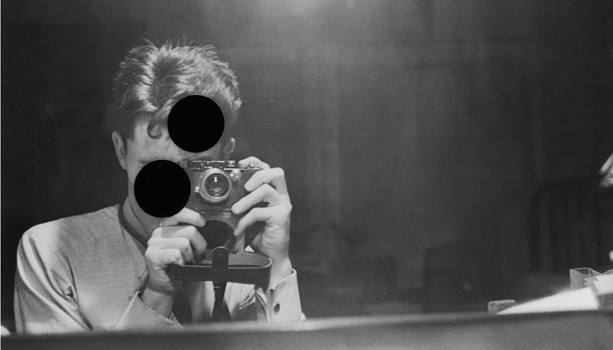
Watch a mesmerizing movie, made of prints from cancelled FSA negatives:
http://www.theparisreview.org/blog/2010/10/04/william-e-jones-punctured/

This is a notice that the updated hoodie post is two doors down.
To begin this post, here is Stef’s post wearing the coveted Ph.D. hoodie:
Jaime claims that hers proclaims/reveals/advertises her shoe size:

Kim’s consorts with the effete of da U.P.:

Sam and her growth look ab fab.

Erin is energized:

Keep ’em coming, and I’ll add ’em in!
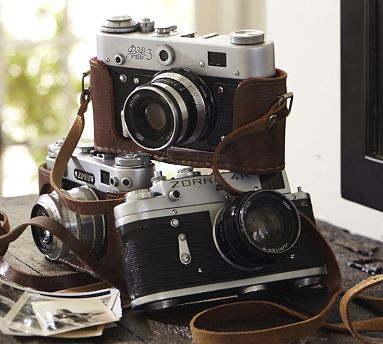
Feel free to pick your own perspective on the wrong-headedness of this marketing strategy.
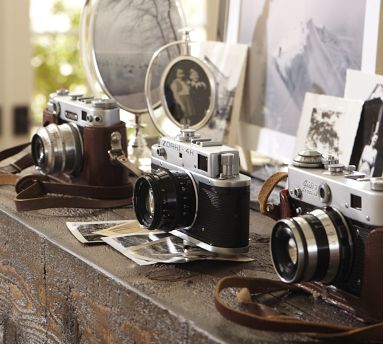
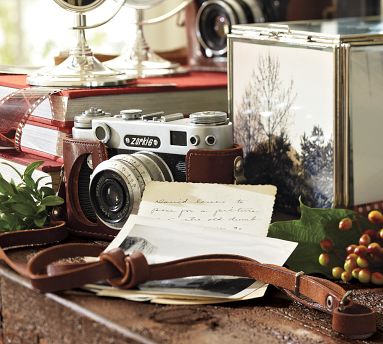
“With compact bodies and simple functionality, classic 35 mm cameras paved the way for both amateur photographers and professional photojournalists everywhere. The first was prototyped in Germany in 1913 and went into production as the Leica in 1924. Our collection of found cameras, crafted by a variety of mid-century German and Russian manufacturers, has become vintage icons, making them perfect for display. Each one is unique; let us choose for you.”
Perhaps you recall how the work of one Vivian Maier is becoming known:
https://photodevoto.wordpress.com/2009/10/16/a-recently-discovered-trove/; well, there’s more.
John Szarkowski wrote: ” A photograph may… be private in the sense that there is no designated public access to its meaning, no catalog of its constituent parts, its iconographic and formal resources. Each viewer, including the photographer who made it, must devise for the new picture a personal and provisional place among the other pictures and facts that the viewer knows. It is of course true that all good pictures contain unfinished meanings; only perfect clichés are perfectly complete. Nevertheless, good photographs are often more richly unfinished than other pictures, are wilder, in the sense that they have in them more elements that are not fully understood and domesticated. James Agee, pretending that the photographer was a fisherman and that the truth was a trout, said it was the photographer’s task to bring the fish to net without too much subduing it.”
and now we have this: http://www.newsweek.com/photo/2010/09/15/amazing-garage-sale-photographs.html
P.S. Not to alter the gist of this post, but you can keep up on Vivian Maier at http://vivianmaier.blogspot.com/
If I had been asked as, say, a trivia question whether the lives of Abraham Lincoln and Theodore Roosevelt overlapped, I would not have known. Apparently, here is proof that, at least at one moment, they were within sight of one another.
This is Joe Sterling’s cover image for Aperture magazine 9:2

…which featured work by the five graduate students of the Institute of Design in 1961: Ken Josephson, Joseph Sterling, Charles Swedlund, Ray K. Metzker, and Joseph Jachna. Each of them had their very best work ahead of them, and are still working — but for Mr. Sterling.
http://www.suntimes.com/news/obituaries/2886740,CST-NWS-xster12.article
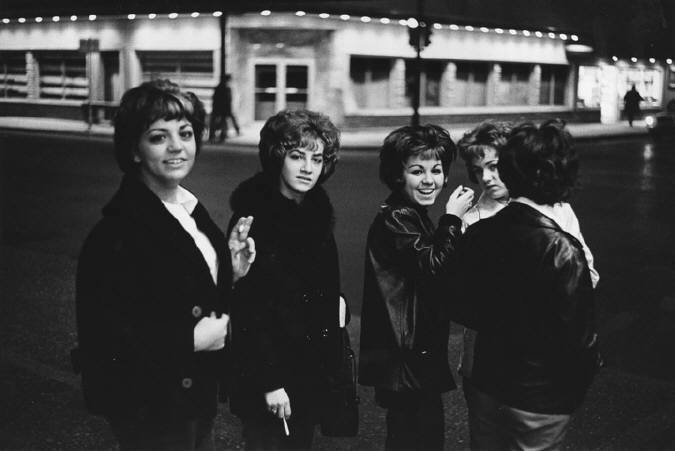
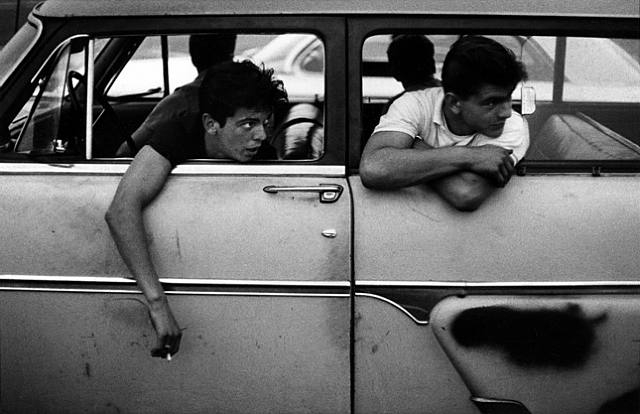
“There is a world of a cowboy against the empty wastebasket, of the Bessemer converters and the cheap Montana hotel, a world that exists — but not for the adolescent. His world must be created — created for the physical and emotional self. Although highly affected by surrounding forces and opinion, the world of the adolescent is totally interlaced within itself and incapable of freeing itself… It whirls, rolls, and engulfs what it is allowed to engulf. Sometimes wavering… wavering… AND THEN opportunity is revealed and must be exploited. Exploitation exists for exploitation itself. A world created, enlarged, and accessible to those already interwoven… but his world will grow, move on and be assimilated.” (Sterling’s text in Aperture)
 Creative Camerawork