http://us.leica-camera.com/photography/m_system/m_monochrom/

Some numbers: 18; 10,000; 7,950; 2. Megapixels, ISO capability, price, aaaannd gimme.
http://us.leica-camera.com/photography/m_system/m_monochrom/
Some numbers: 18; 10,000; 7,950; 2. Megapixels, ISO capability, price, aaaannd gimme.
Kodak has announced: “Due to a steady decrease in sales and customer usage, combined with highly complex product formulation and manufacturing processes, Kodak is discontinuing three Ektachrome (color reversal) films.” This means that, after 77 years, the Great Yellow Father is no longer in the business of making slides. ‘Tis a pity: slides can’t be beat for color saturation and sharpness. Fortunately, we still have excellent Fuji films with those qualities.
Me, I’m drownin’ in slides. Carousels, boxes, plastic sheets, even food storage bagsful. Kodachrome, Ektachrome, Agfachrome, and Fujichrome, pretty much all 35mm. I also curate (i.e. have) my grandfather’s Anscochrome, some of my in-laws’ stuff, a batch depicting office culture at United Air Lines’s EXO, work shot from printed sources for delectation in class, and endless dupes of a generation’s worth of AP work. Slides are part of the reason the missus insists that if I go first she’ll have the basement bulldozed, rather than make sense of its contents.
Richard Benson wrote: “The huge amateur market that consumed 35mm slides has always been a mystery to me. Why did all those people make all those pictures? The impulse must be connected to an effort to retain memories of times gone by. It is somewhat tragic, because as we use technological devices to aid our memories we inevitably reduce our capacity to remember. We see this demonstrated in the mnemonic wonders of oral traditions, which always suffer as writing is introduced to cultures. Color slides are even more mysterious because they are almost never looked at. At least with an album of prints we can take the book off the shelf, easily leaf through it a bit, and then put it away again. The slide requires a projector, a dark room, and almost invariably other people, who have been gathered together to participate in the viewing of someone else’s visual history. For me there is no more excruciating event than looking at the family slides.”
I have only respect for Mr. Benson, so I will gently address some of these points. It’s safe to assume that marketing is what fueled the 35mm transparency (and its business in projectors) popularity, yes? Oral traditions are no parallel to easily leafing, are they? If technological devices reduce one’s capacity to remember, it’s for some sort of trade-off, n’est-pas? Peut-etre the tragedie is on a nostalgic level, within a generation or so (I recall gnashing over the proliferation of soft-cover books). Oral traditions necessitate a gathering, a ritual; hello? And they need not be family slides. (Okay, there was that one time when Jack Niemet showed us hundreds of slides of composers’ birthplaces, pianos, deathbeds, and headstones, and I went to bed while he went to the loo, but hey, the exception proves the rule.) The sharpness in transparencies can’t be beat, and lord knows there are ways to convert the images to other, um, mediums.
Tri-X (or do you know it as 400TX?) is beautiful stuff, and XTOL makes life simpler, but the corporate mentality went south long ago, and there is a history of dubious decisions and tenuous commitment to serious workers.
“The demand for traditional monochrome films and papers remains strong. With Agfa no longer in the black and white photographic market, and Kodak pulling out of manufacturing black and white papers the future of ILFORD PHOTO products looks good for years to come.”
This post is not fun, nor is it entertaining: it is about obtaining useable exposures.
When we contrive to admit “the right amount of light” through a shutter, do we believe what our meter recommends (and perhaps interpret that for our purposes)? Or do we get it “wrong?” If the latter, then which is preferable: overexposure or underexposure?
I lean toward overexposure as the lesser of the two evils. The raking angle of sunlight (however dramatic), the short winter days, and the ongoing problem of “artificial” light sources all contribute to empty shadows that we expect to reward with information but do not.
Light sources within the frame and large portions of sky in the picture both conspire to underexpose the rest of the landscape, or the room, or whatever. Point the lens down at the ground to take a meter reading, then use that exposure when you compose the frame.
Some photographers find it useful to “bracket,” to shoot a recommended exposure, then to overexpose and underexpose for insurance. This is a last resort, and one may never get a sense of how to deal with situations that re-occur. A reasonable version of bracketing might be simply to shoot what’s recommended and just one over, for the sake of the shadows (since modern films don’t seem to block up in the highlights as badly as they once did).
Your camera may have some sort of a +/- setting. You can move the indicator to +1/2 or +1 to add a half-stop or a whole stop. Alternately, you can reset the ISO, whether it is set automatically or manually. This can be done either for an entire roll or for just the frames you think need it.
After the exposures have been made, a last resort is to overdevelop the film; usually this means that all the frames on the roll will pick up contrast, for better or worse.
The only burden to take now is the silverprice to drop. At the current level making monochrome papers makes no sense but we are in good mood that it will keep dropping.”
Not that anyone’s on tenterhooks, but some negatives are made, and what remains is what has been called the “photo-finishing.”

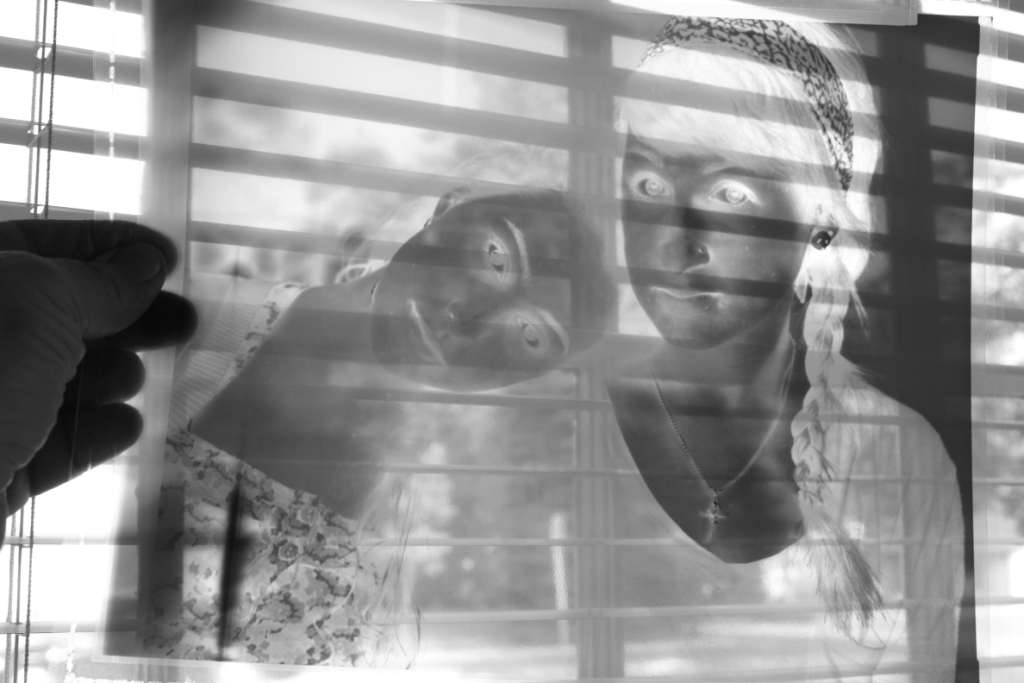
As a further preview, here’s a little sample ‘shopping:
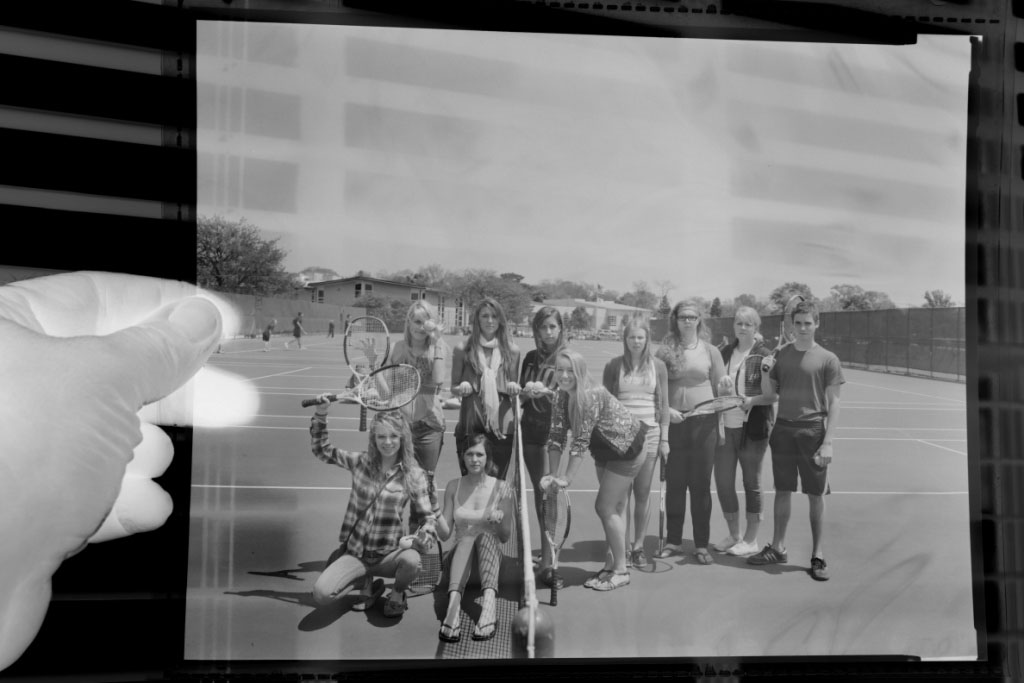
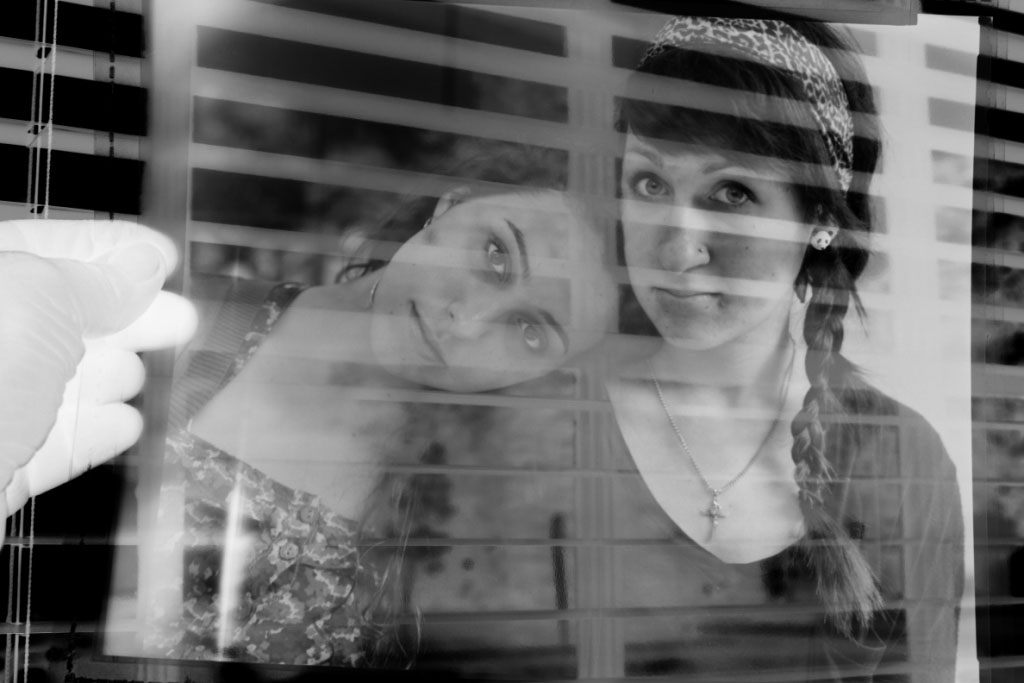
Yep.
Oh, sure, I read “After Photography” when it was published, and I’ve been to seminars and panel discussions… now,
this just in: http://www.youtube.com/user/jmcolberg?blend=2&ob=5
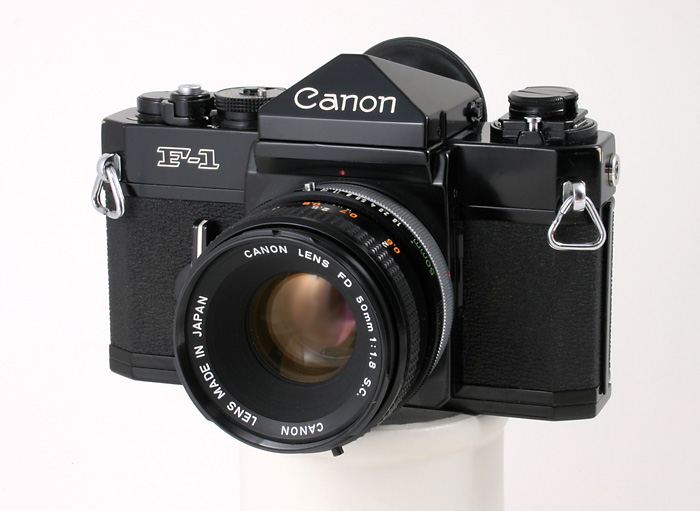
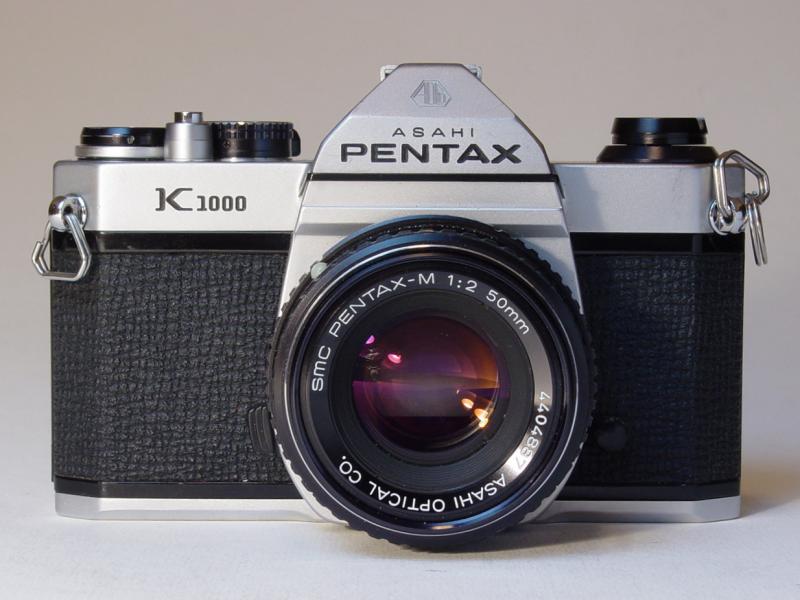
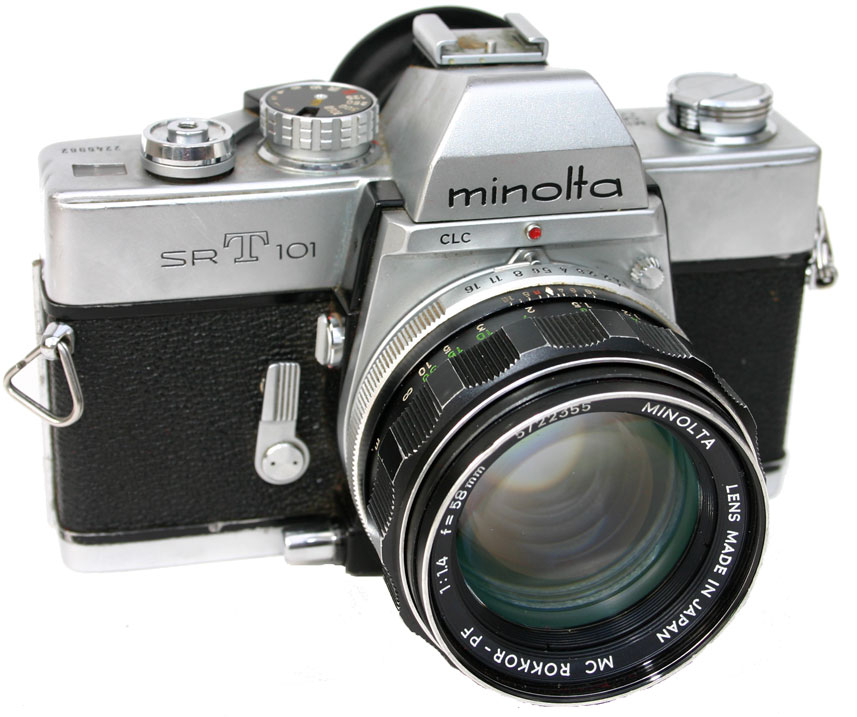
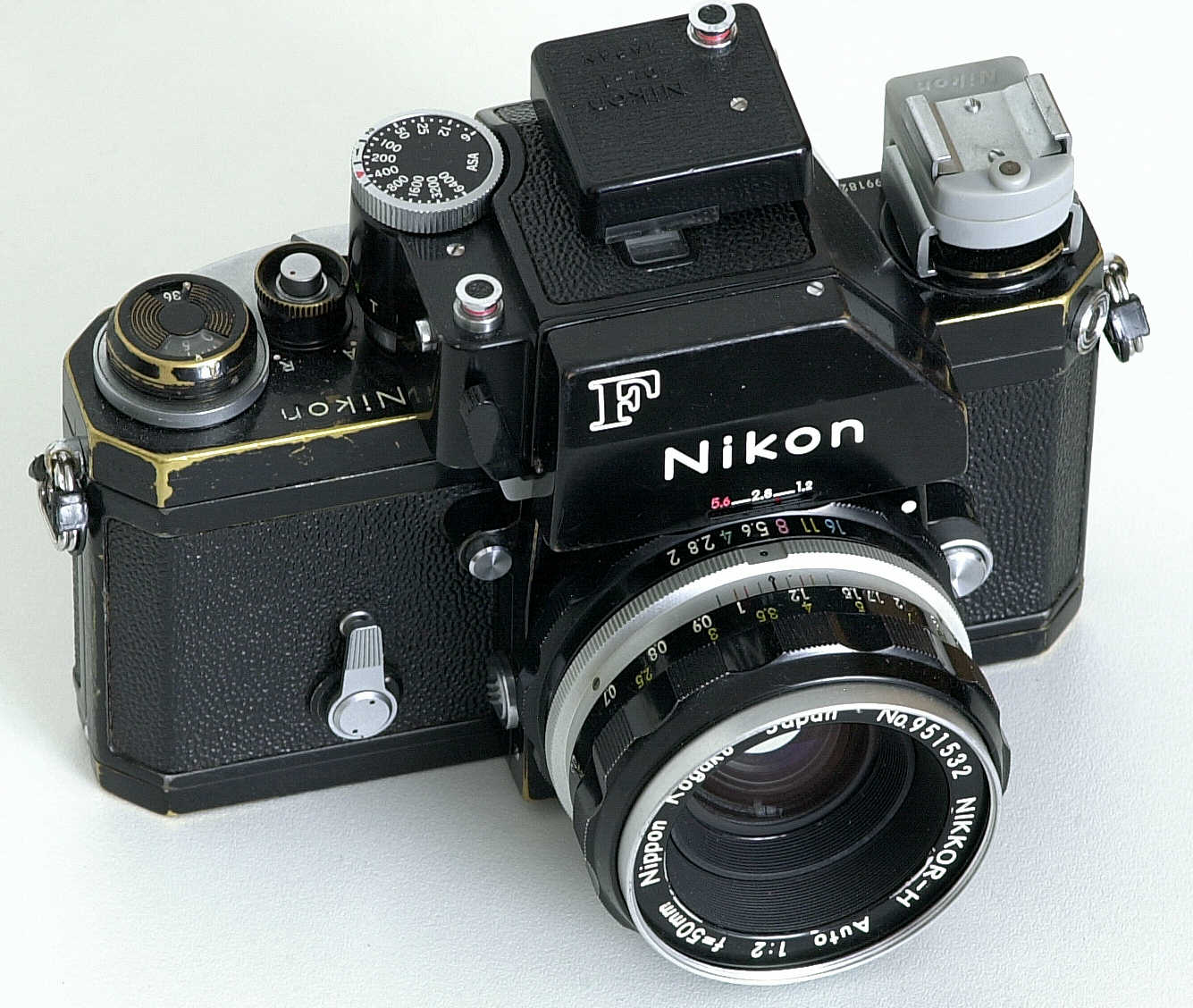
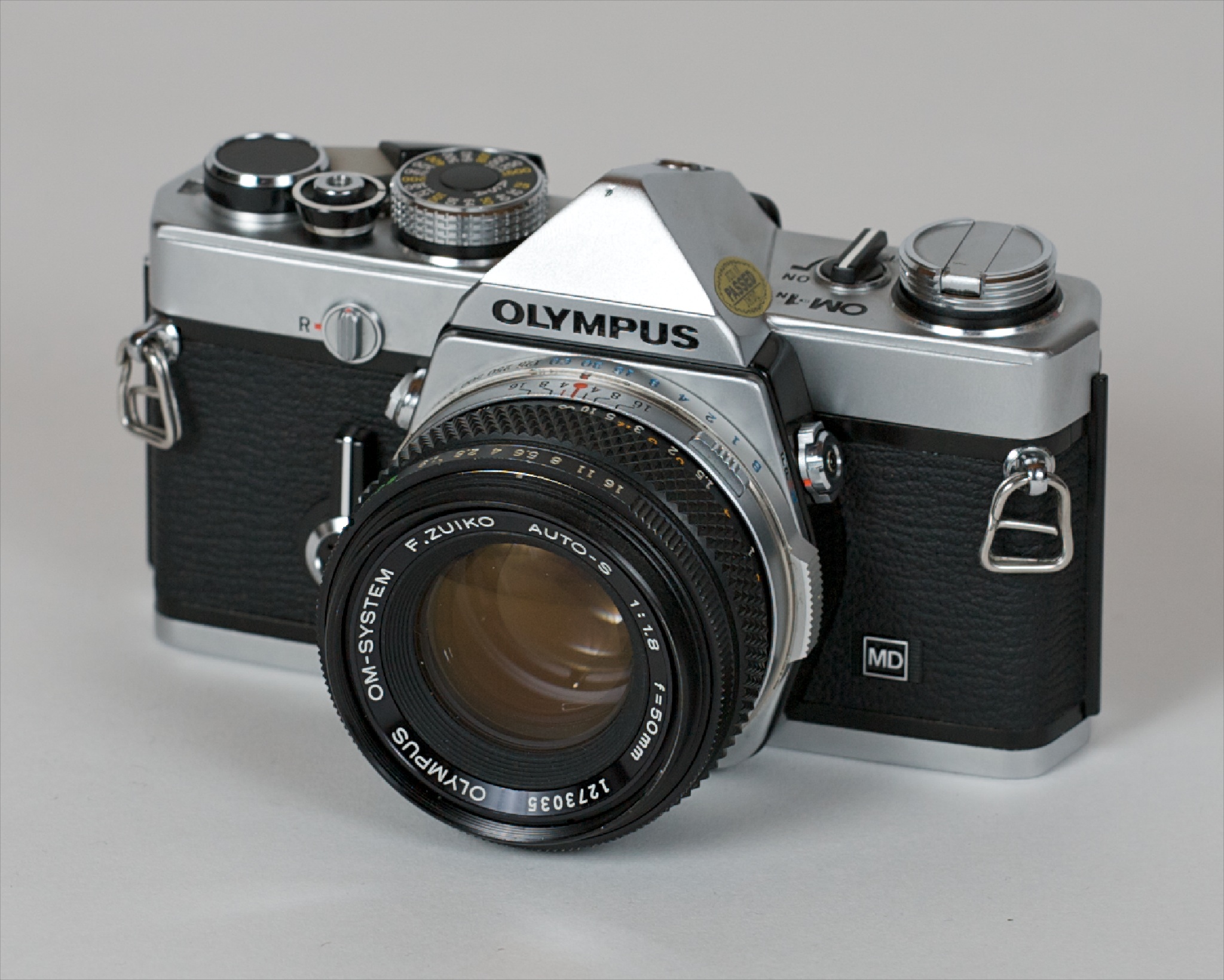
For 40+ years, everyone’s first choice was a 35mm single lens reflex camera. They came with a (fixed focal length) 50mm lens; most ‘togs’ second lens was a substantially longer zoom. If you didn’t know what kind of picture you wanted to make it wasn’t a problem, because the camera was so versatile you could postpone that decision (att’n. filmless folk: sound familiar?). Despite the impression that one need not look further, here are some recommendations for your next camera that are not SLRs.
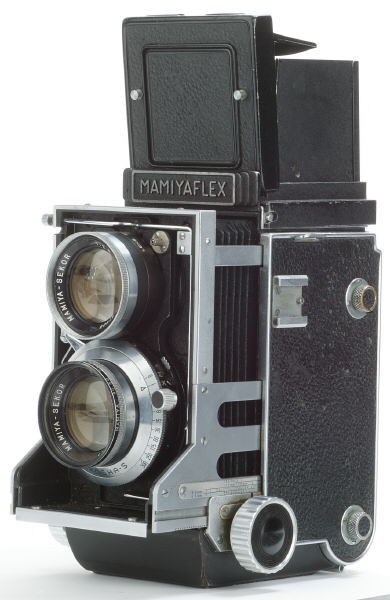
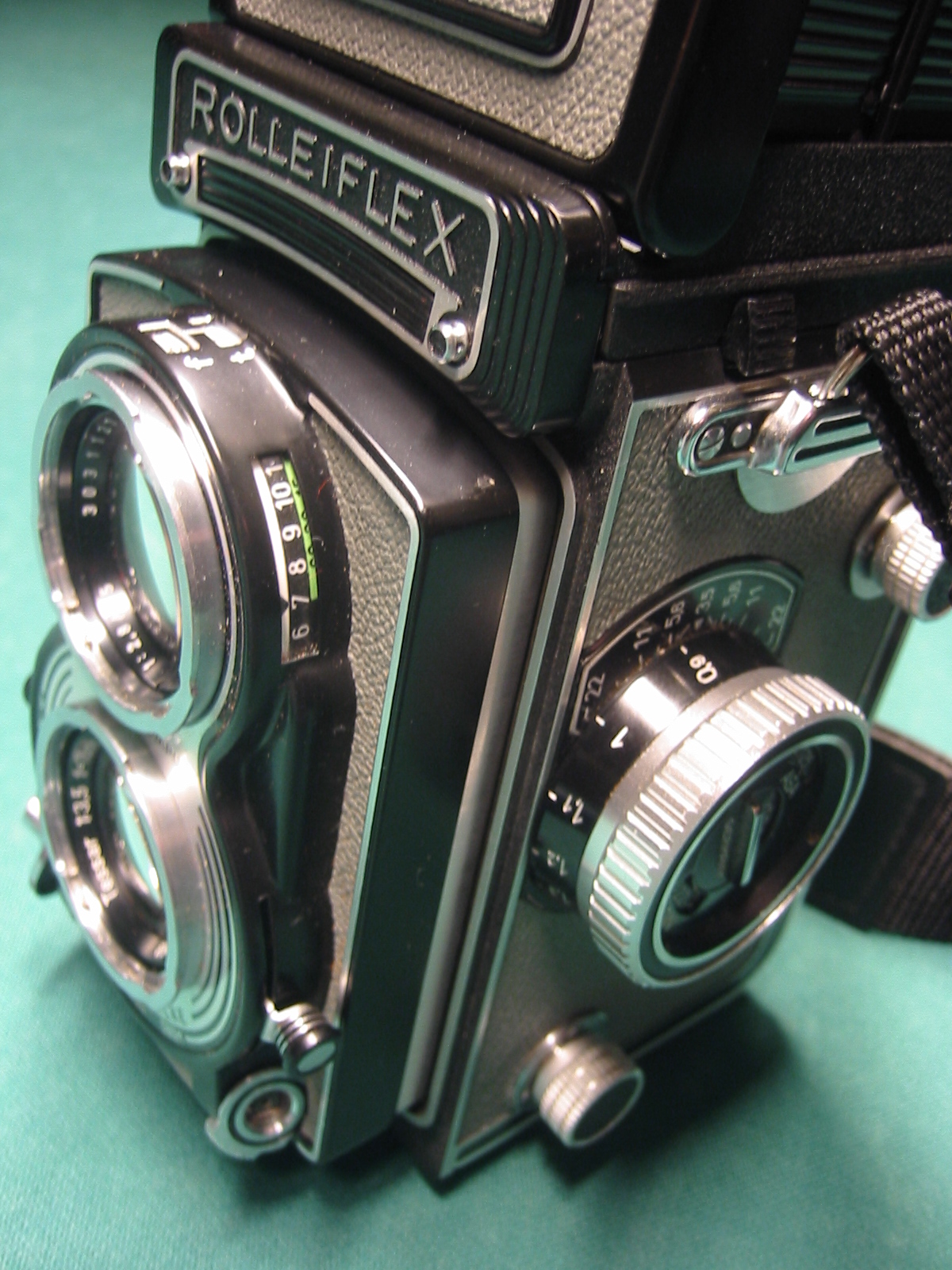
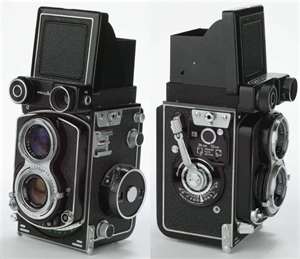
120 (roll film) cameras comprise a spectrum of designs. Depending upon the brand, a roll of film captures 4 or 8 or 10 or 15 or 16 frames. Some are SLRs, some are twin-lens reflexes (TLR), and some are rangefinders (RF). (Hot tip, Thryn: TLRs are the biggest bargain on the interweb.) All make relatively large negatives, and it shows in the enlarged print.


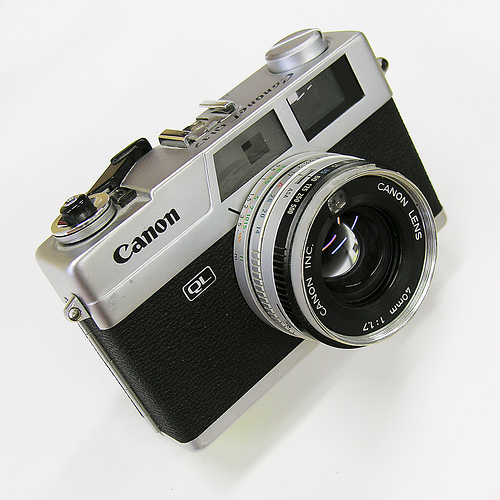
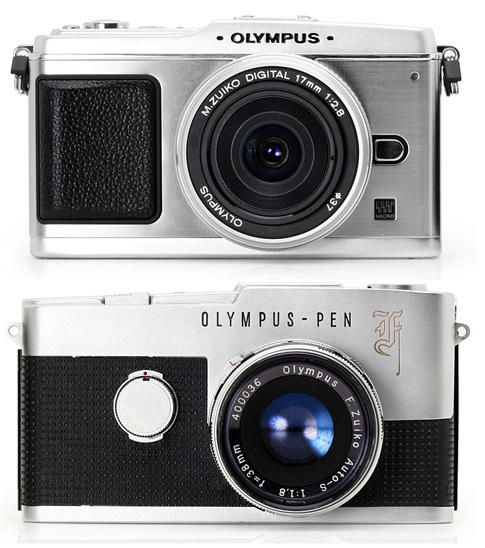
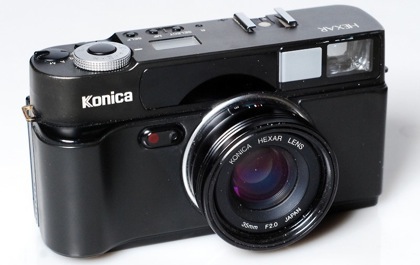
Also, Ellie, consider a high-quality 35mm rangefinder . They’re small; they’re quiet because there’s no mirror, Thryn; and they’re easier to focus in low light. There are a number of excellent models other than Leica (the Holy Grail): Canonet, Konica Hexar, Olympus Stylus. This is by no means a complete list. Also, be aware that, back in the day, Canon and Olympus made half-frame rangefinders (seventy-two 1×1/2″ verticals per roll).
The current likely sources, other than friends and relatives and neighbors, are eBay and craigslist. Be… fastidious.
Upset with the rate at which Justin is maturing? PO’ed that Katy postponed tonight’s concert until the weekend before school starts? Replace their posters in your room with this.
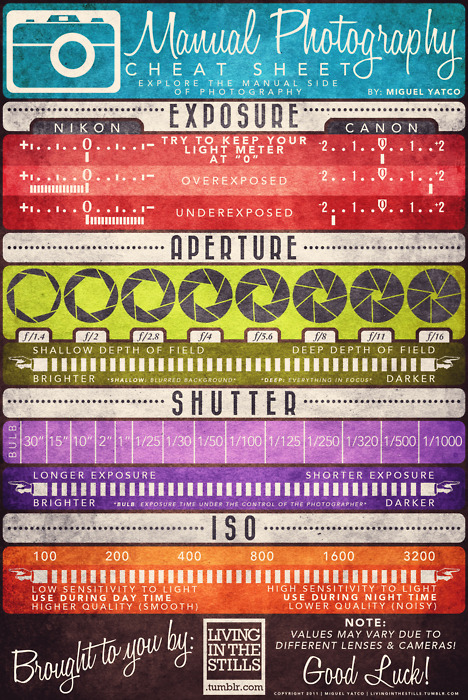
Order it from http://www.zazzle.com/manual_photography_cheat_sheet_poster-228451161951324080
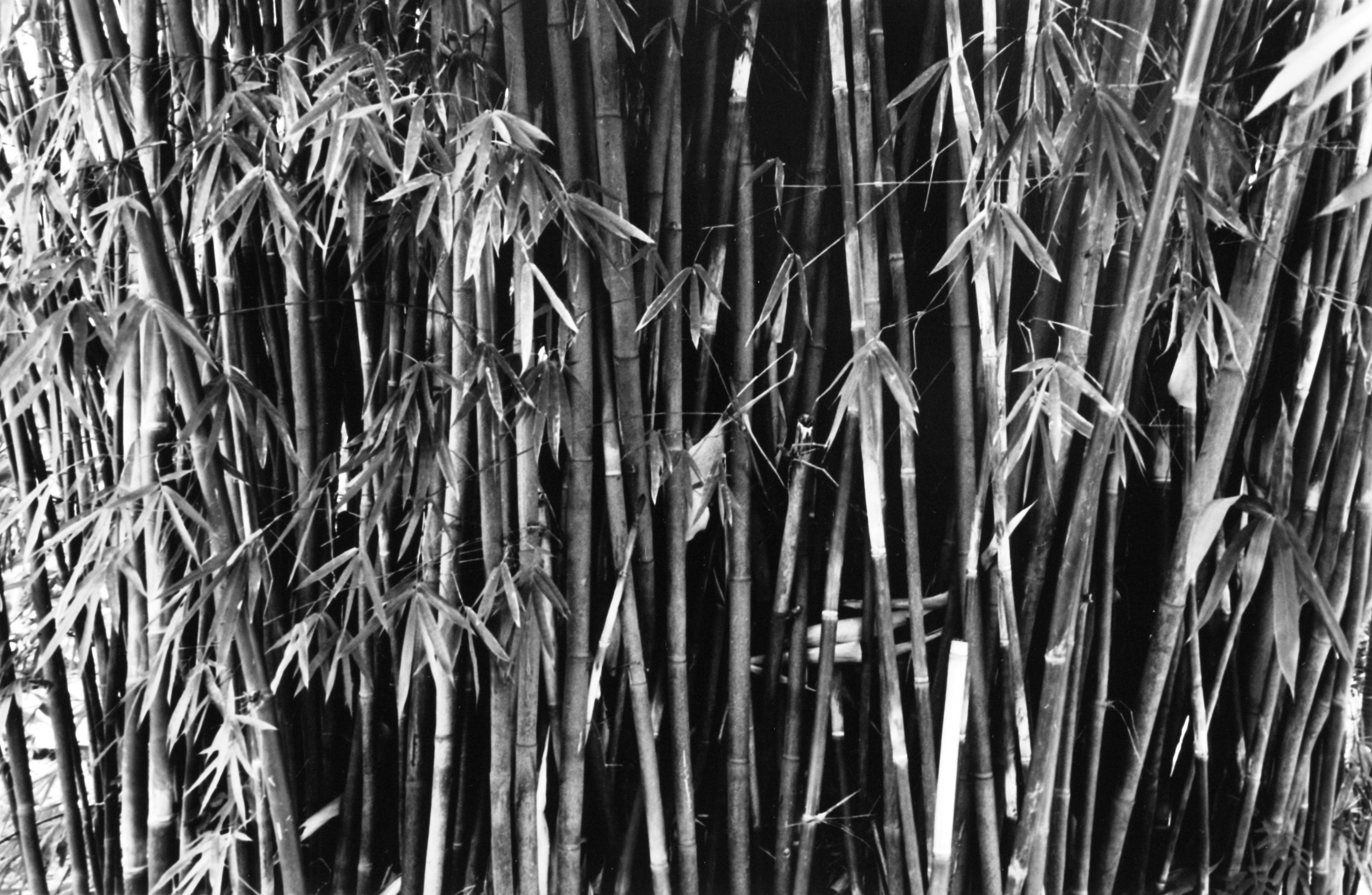
I remember exposures and development details of specific negatives (f/16, 1/4 second, handheld):
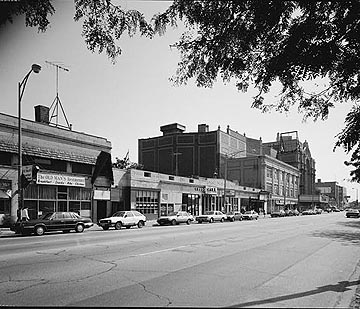
I remember the venues in which I saw certain films (e.g. the Granada, “The Grateful Dead Movie,” for an unconscionable-at-the-time five dollars).
I remember the smell of 620 Verichrome Pan wrappers & discharged #5 flashbulbs, and the sound the bulbs made.
I remember Miles at the Quiet Knight, when he first went electric.
I remember Duke Ellington and Paul Gonsalves at Harper, in the last month of their lives.
I remember what Thelonious said to me.

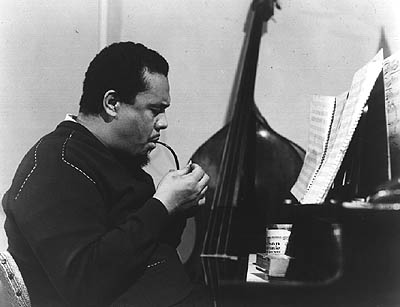
I remember walking up Wells Street with Mingus, in search of cookies.
 Creative Camerawork