http://prosedoctor.blogspot.com/2013/01/finding-what-you-werent-looking-for.html
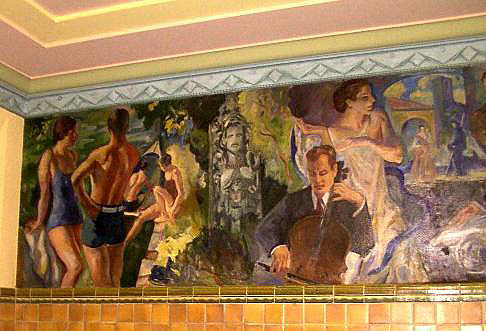
Myron Nutting was commissioned in June 1934 to design and paint the Wauwatosa High School murals in the school’s art-deco style front lobby. 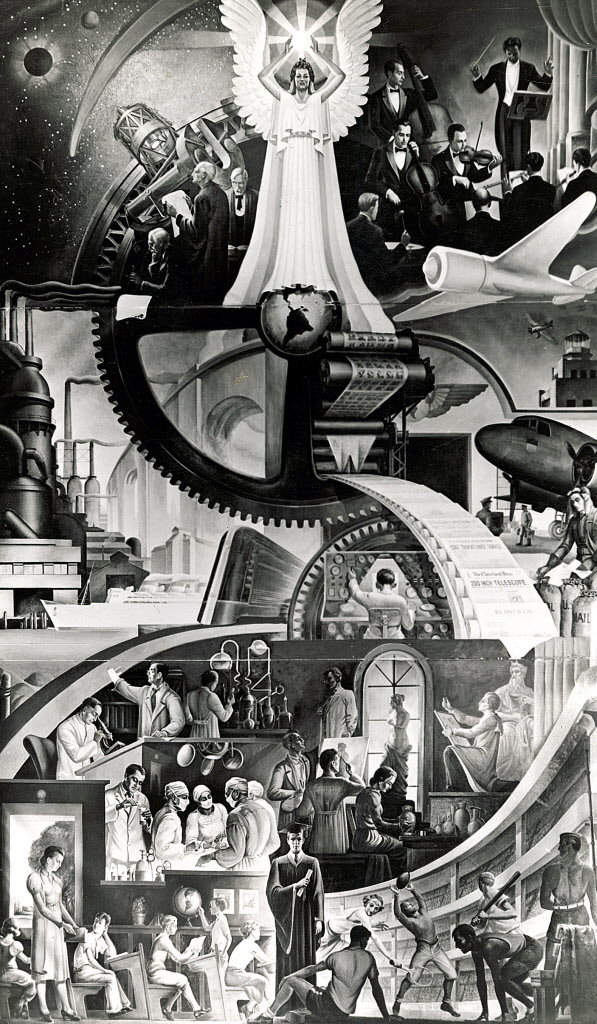
Anyone who stood by the railing at the well between classes will remember the three-story high mural “Spirit of Education,” the WPA mural, in the main entrance hallway of Lincoln High School in the Cleveland Municipal School District. The mural is now a cultural and historical memorial which was painted specifically for the school in 1939 by artist, William Krusoe.
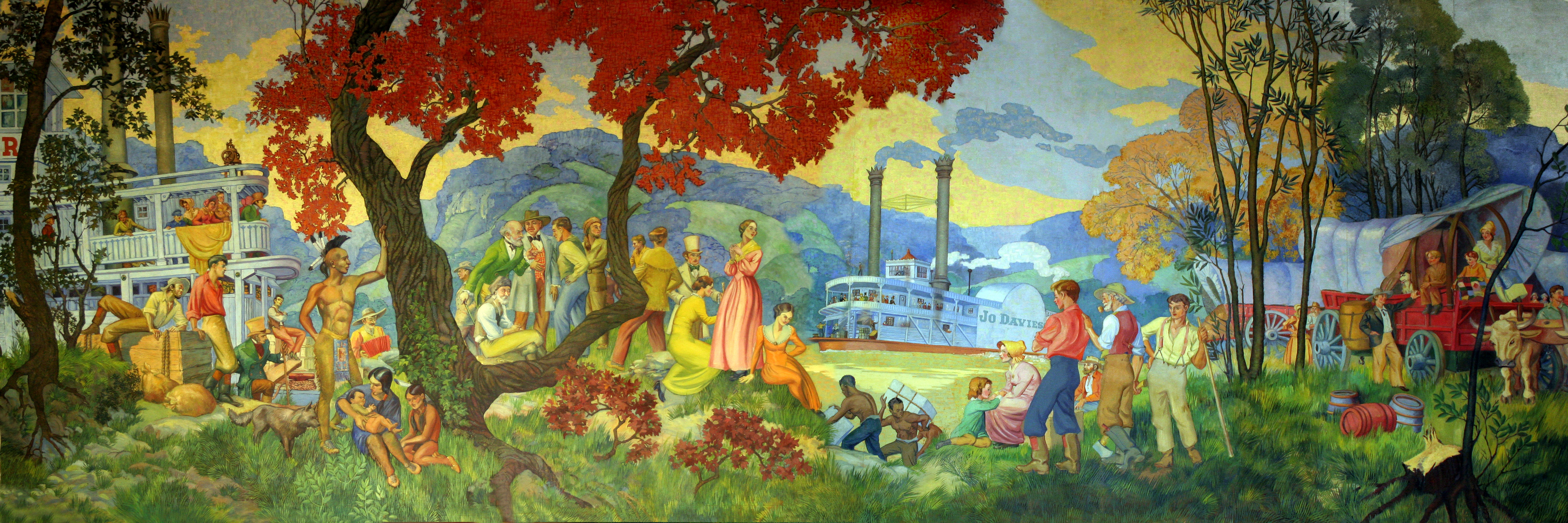
The large mural on the east wall of Dubuque’s Senior High School was painted by Cyrus Ferring in his spare time, the necessary expense borne by the student fund, and is a gift from Mr. Ferring to the school. It was hung in its present location in the summer of 1935.

This appeared, unannounced, over winter break in January 2013, filling some available space above the already-busy entry wall of Barrington Huge School. Rotating displays concerning student activities (occasionally giving way to student art), sit next to a patriotic collage hung over the shoulders of the reception desk attendant.
Rather than taking the allegorical approach used by many artists commissioned in times of financial uncertainty, the new piece consists of politically-correct buzzwords partially obscured by reproductions of yearbook-style photographs, each representing a decade of this particular school’s history; current logotypes used on district and school stationery; and the district’s “motto,” written in the style of other nearby districts. The application of spot color in the monochromatic reproductions, popular in 1980s television commercials and used sparingly (once) in a 186-minute Stephen Spielberg film twenty years ago, is employed no fewer than five times, apparently in an effort to unify the images. The designer is anonymous (design may have been by committee).
(From this coming weekend’s NYT magazine):
“If I don’t do a set in two weeks, I feel it. I read an article a few years ago that said when you practice a sport a lot, you literally become a broadband: the nerve pathway in your brain contains a lot more information. As soon as you stop practicing, the pathway begins shrinking back down. Reading that changed my life. I used to wonder, Why am I doing these sets, getting on a stage? Don’t I know how to do this already? The answer is no. You must keep doing it. The broadband starts to narrow the moment you stop.”
“In the journal, I do not just express myself more openly than I could do to any person; I create myself.”

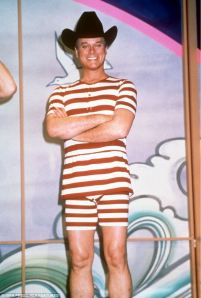
Larry Hagman was often asked for autographs by his fans but, unlike other stars, he would always ask the person to either sing him a song or tell him a joke in exchange of this signature. He explained that he was “getting something back” from the autograph seekers. (He eventually stopped the joke-telling custom because fans kept coming up with off-color jokes.
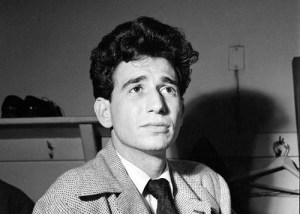
Shelly Manne’s definition of jazz musicians: “We never play anything the same way once.”
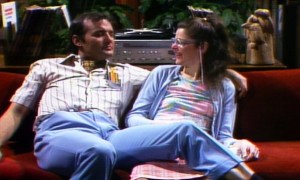
Bill Murray: “One of my habits is I don’t do exactly what you want me to do.”
“Gilda showed up and she’d already had cancer and gone into remission and then had it again, I guess. We hadn’t seen her in a long time. And she started doing, ‘I’ve got to go,’ and she was just going to leave… It felt like she was going to really leave forever. So we started carrying her around, in a way that we could only do with her. We just kept carrying her; we did it in teams… upside down, every which way — over your shoulder and under your arm, carrying her like luggage… We worked all aspects of it, but it started with just, ‘She’s leaving, I don’t know if you’ve said good-bye to her.’ And we said good-bye to the same people ten, twenty times, you know. And because these people were really funny, every person we’d drag her up to would just do like five minutes on her, with Gilda upside down in this sort of tortured position, which she absolutely loved. She was laughing so hard we could have lost her right then and there.”
“I was born into a family of farmers. Farmers don’t talk very much, the ones that I’ve known, anyhow. They sit around the table, have dinner, and very little is said. That doesn’t mean that they are not thinking, but they are thinking in other terms. They are not thinking in the conventional word terms. They are thinking in terms of the essence of things—what a tomato looks like, what is the texture of a peach, what a horse can do in terms of power, what the sun feels like, or what the quality of moonlight is. They are thinking in these terms, I think, more than they are in the terms of words and the social implications of words… I think that is a wonderful and fortunate beginning for a person who is going to become a composer. This is because music is not a word language but a time-space language… It’s a matter of subjective identification and transference.”
“I don’t think one really decides to be a composer; it sort of happens… I got into music, I suppose, because I was drawn into it, and I think probably this is the only real way to do it. I think life has to draw you into things. I don’t think you make decisions about things.”

“The temper of the family has to be fairly even. If people are having tantrum fits, squalls, and all that sort of thing, then the creative work just goes down the drain because it doesn’t work. It requires a certain serenity and a certain kind of happiness… When I’m working very hard, I want somebody around who is very simple, very direct, very earthy, very matter of fact—like a peasant. But when I’ve finished work and I want to play, then I like somebody who is a sophisticate, who has been all over and knows many things, who is a fine conversationalist and is amusing, and who likes good food and all the arts, and all the fine values. I find that when I’m working very hard, my values are rather coarse in the sense that farmer’s would be—not coarse in a moral sense, but coarse-grained, rather. The people that I prefer to be with are people whom I can count on, people who are rather solid, not very full of subtleties. There is nothing that annoys me so much as subtlety when I’m profoundly interested in something else.”
…from The Bad Plus’s Ethan Iverson.
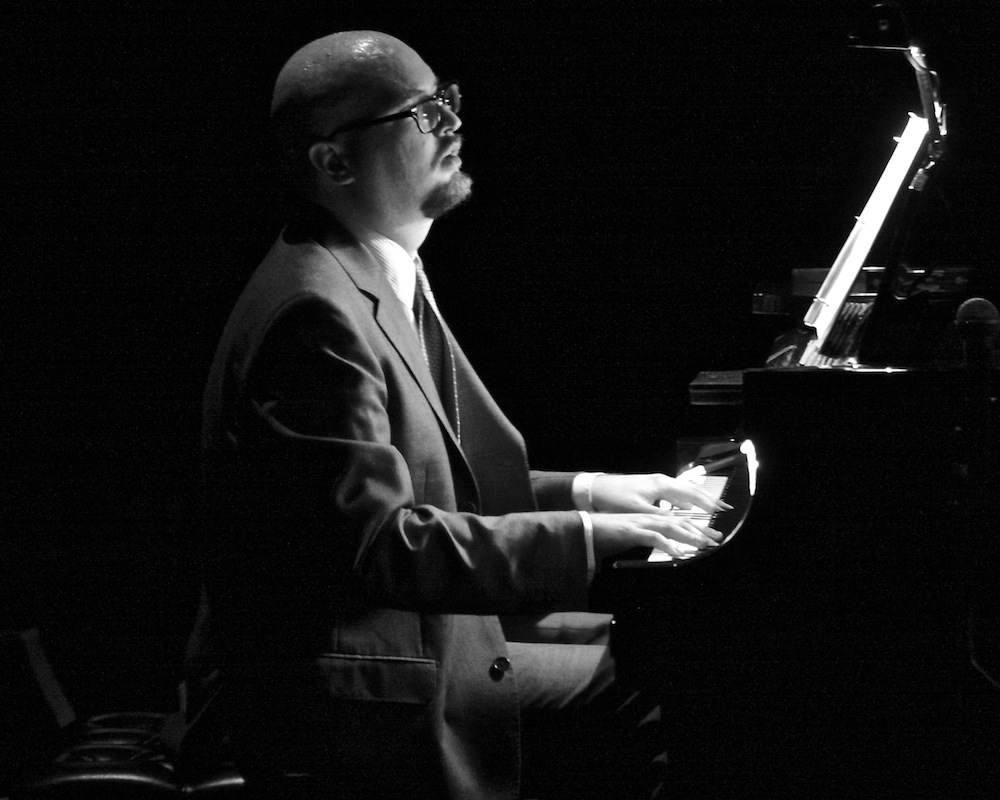
“During the last five weeks in Europe, many jazz piano students came up to me after the gig and asked advice. To one and all I officially say: play some ragtime, play some stride. Read copious amounts of Joplin, James P., Teddy, and whoever else you can find. You won’t regret it. It’s an advanced and swinging interpretation of Bach’s major-minor tonal system. Down with “jazz harmony” out of a theory book, long live “harmony.” None of those cats knew what a chord scale was…”

In photography, our equivalents might be, after choosing what to photograph (and where, and when), deciding where to stand and where to place the edges (cf. Harold Allen). Select for yourself whom to take as role models, and how to produce interpretations of the tonal scale to suit your needs.
(Much more Iverson at http://dothemath.typepad.com/)
“As a young man, I harbored the populist idea of writing for the public,” he once explained to an interviewer who asked him why he had chosen to write such difficult music. “I learned that the public didn’t care. So I decided to write for myself. Since then, people have gotten interested.”
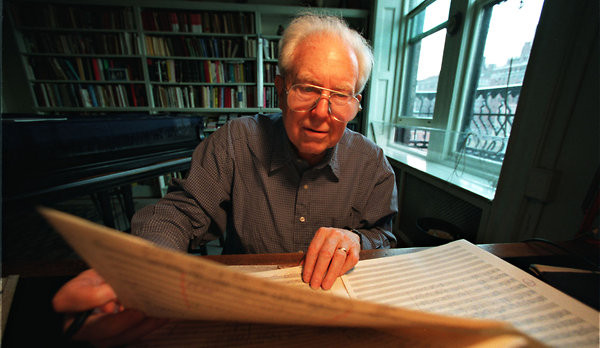
“There are many kinds of art. Some kinds are hard to understand for some people, and easy to understand for others. But if the works are very good, then finally a lot of people will understand them. And it seems to me that if a work has something remarkable to say, then someone who wants to whistle it will find something in it to whistle. But these things are very subjective.”
October 10, 1917, Rocky Mount NC
http://www.youtube.com/watch?v=dZ9El7k4mNo
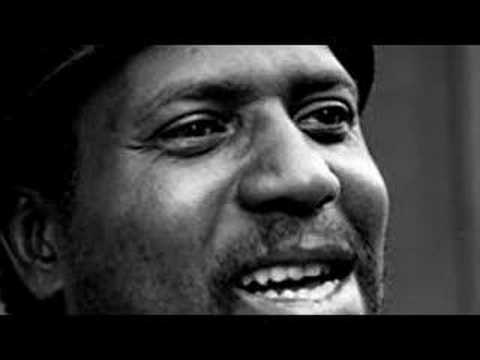
http://www.youtube.com/watch?v=qweSlfP6BtI
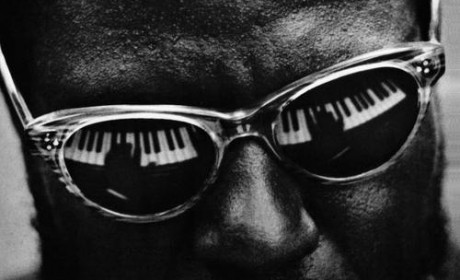
http://www.youtube.com/watch?v=qfMnWKYNA9o
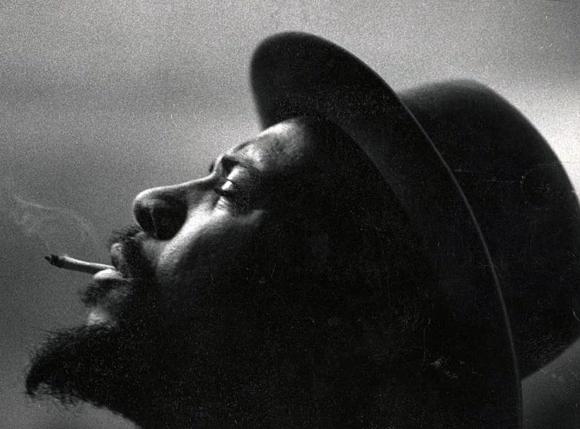
For a trove of information: http://www.monkbook.com/the-book/
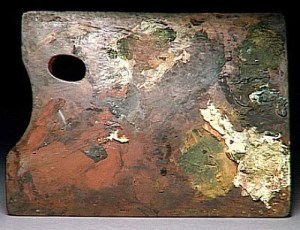
 Creative Camerawork