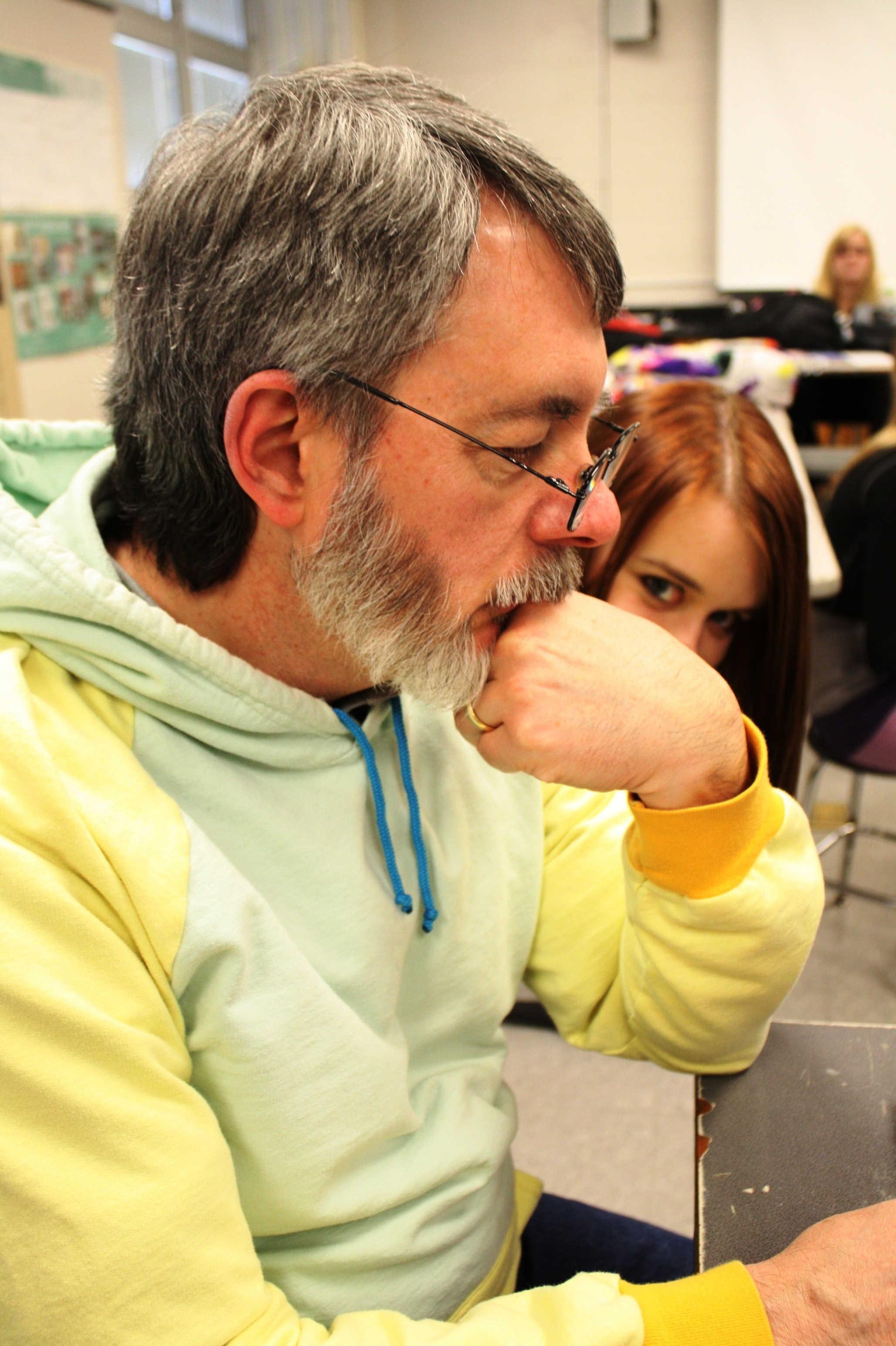
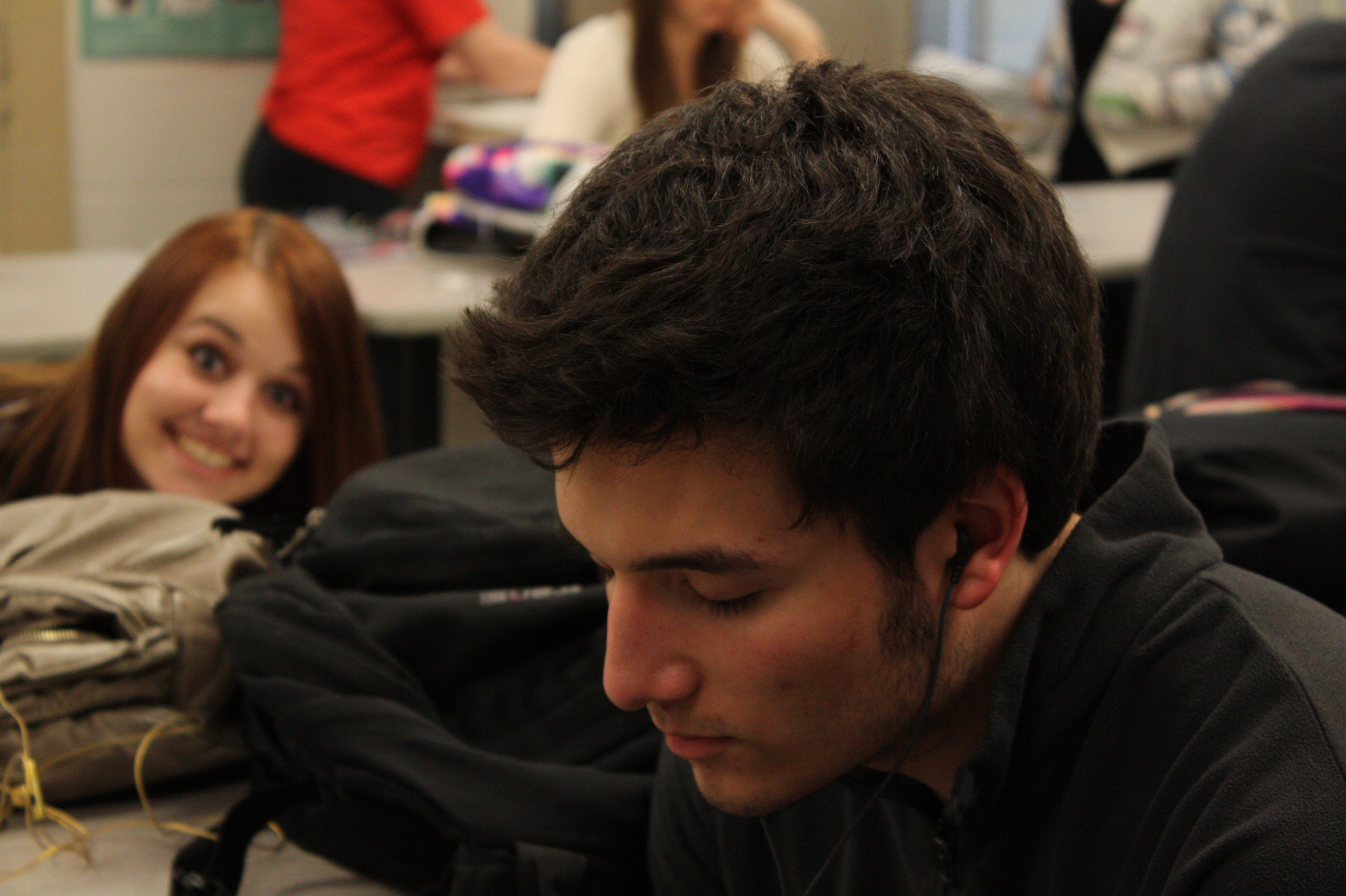
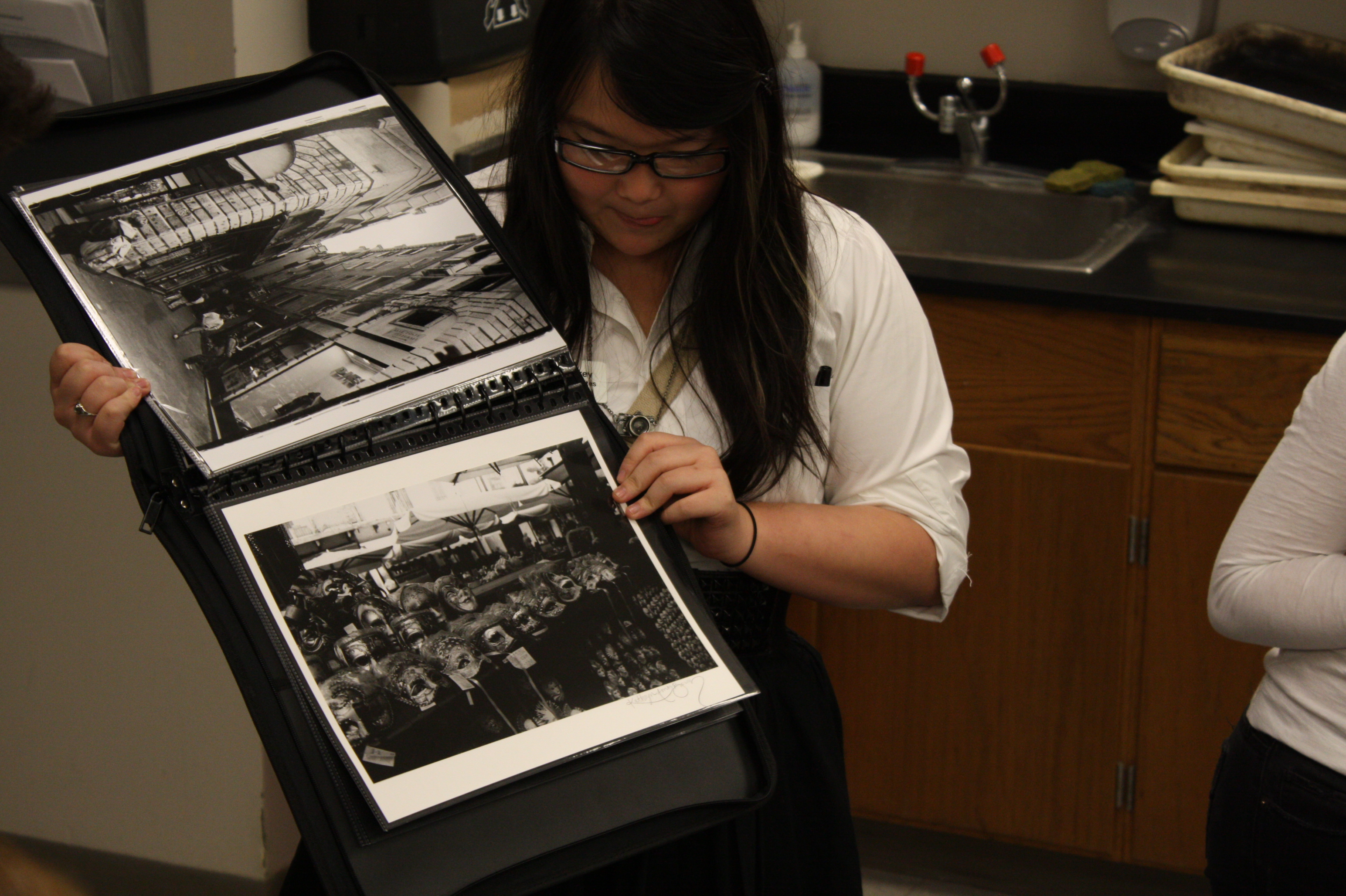
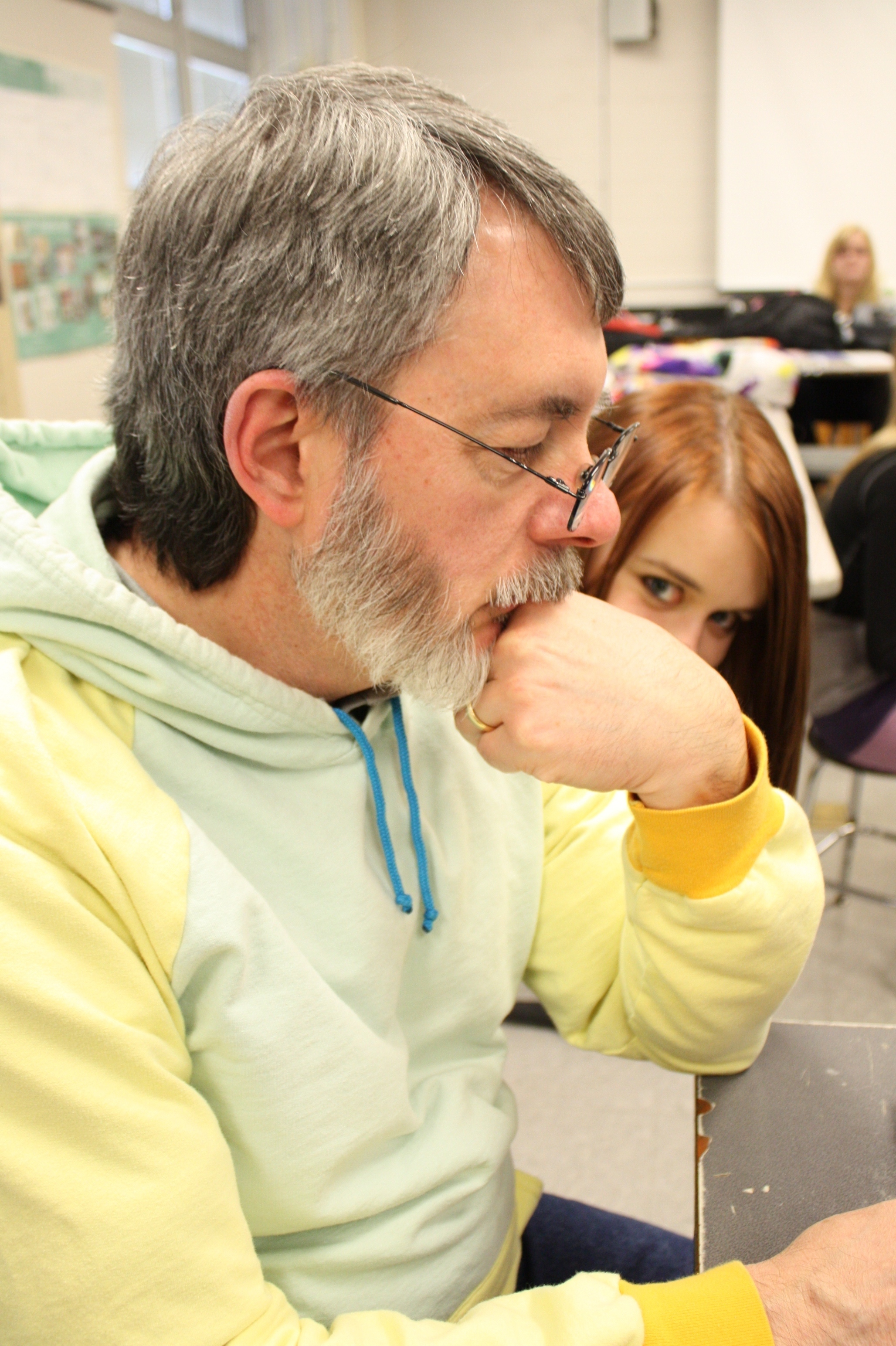
Photo Devotos are visiting between now and June 1

(This means you, y’know.)

…because final exams begin on June 2, and this Friday (the 21st) and the days on either side of the federal holiday (5/28, 6/1) are especially practical for a lot of folks. Former Fo-Do students of Clair Smith (the staff roster does go back further; I gotta do my research [or hypnotic regression, ’cause I usedta know]), Barb Fisher, moi, Kayla Ross/Mizanin, Scott Ziegler, Vicky Molitor, Stephani Hargreaves: get in here! We can meet up with next year’s roster as well. What about an alumni exhibit? Shall we, hmmm?

Call or write ahead, so that the Gatekeepers may be notified. They’ll run an ID check to assure themselves that you’re not a predator, and issue you a Special Badge.

One-Shot Bonus Karma on May 2

“Extra credit” is such a hackneyed phrase, n’est-pas? We tend to forget that it refers to stuff “over and beyond” what’s required (as opposed to “in place of”). Despite and still, there are some singletons coming up in the Wonderful World of Photography:

http://lens.blogs.nytimes.com/2010/04/08/about-3/

AND… upload your one, ideal picture here at the same time to earn your “Bonus Karma.” (Actually, I don’t know if you can leave a .jpg as a comment, so send it to jdionesotes@prodigy.net and I’ll transfer it.)

Read the Times’s post very carefully, so that everyone is on the same page. You may or may not want to shoot something that also fits into a current project in class, or into your portfolio.

We Love Our Work

April is the coolest month. Here are all of the important dates I can think of at the moment:

3/29   The darkroom is available from 6:00 to 8:30. Sam Thorne perfects time travel.

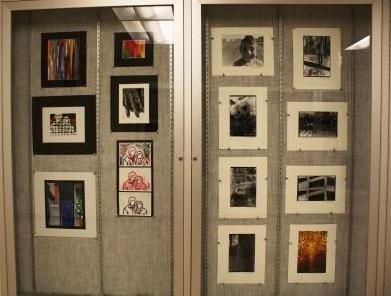
3/30   Your field trip form is due, signed by all, with $6.00 for the Yellow Safety Bus; we hang the AP Seniors exhibit.

3/31   Your field trip form is due, signed by all, with $6.00 for the Yellow Safety Bus; we tweak the exhibit.

4/1     Your field trip form is due, signed by all, with $6.00 for the Yellow Safety Bus; AP exhibit reception, 6:00-7:30.

You should host your own reception, and invite others to share in the celebration (at least one adult and one peer).

4/2    Classes are not in session.

4/8    We embark on the last en masse shooting trip of the year.

4/12  7th hour, the class meets in a library computer classroom in order to set up College Board accounts online.

4/13  We make up the aforementioned expedition if it was postponed due to acid rain.

4/15  Those of you who can spare the time away from class join next year’s class members on a trip (via RR) to galleries in and around downtown.

A Parable

Once upon a time there was a citizen who showed up at the band rehearsal. “I’ve come to join,” the citizen announced to no one in particular. “I’m a musician.” “What sort of musician?” asked a band member who happened to be within earshot. “A horn player,” the citizen replied. “Great!” another band member said. “We can always use another horn player. We jam tonight, so come on along.”

So the citizen went to the jam session that evening. When he walked in the door, the leader greeted him warmly and suggested he play a particular melody on his horn. The citizen said, “Oh, I don’t have a horn.” “But we thought you said you were a horn player.” “I am; I just don’t have a horn.” At this point it was unclear to what extent the citizen was, in fact, a horn player.

Is the citizen in our story a horn player? Does he now (or at any time previously, did he) own his own horn? Perhaps the horn is in need of repair. If the citizen did indeed have a horn at one time, was he able to make music with it? Could it be that he is just a musician in his own mind, and that he simply likes the idea of being a musician?

Can you discern any parallels to a citizen enrolled in a photography course?

Self-Reflexivity

(Photograph by Paul Strand)

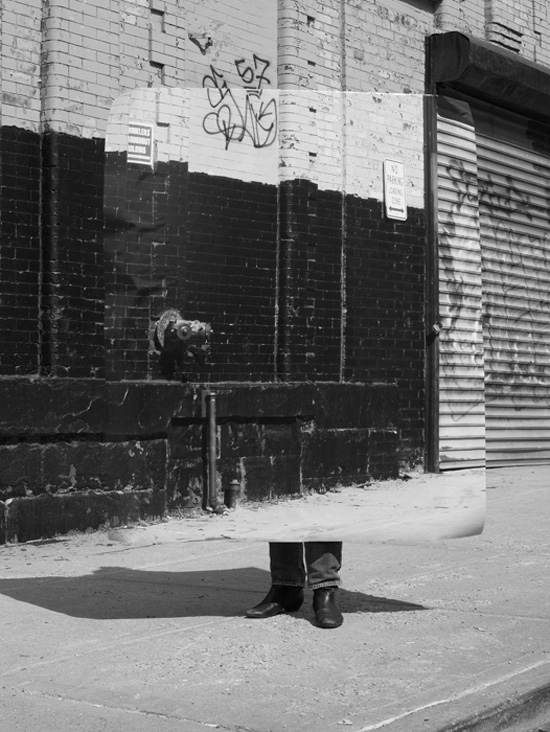
How do pictures refer to themselves? How can photographs be about photography and the nature of camera vision? Would such images be dependent upon subject matter, or would they be process-oriented, or does it have mostly to do with optics? I suspect that each of you will come up with different solutions for this prompt. Try a couple of approaches to see what happens.

http://www.youtube.com/watch?v=s3XnYOF_CQw&feature=related

(Photograph by Fred Lebain)

Another STD Successfully Dispatched

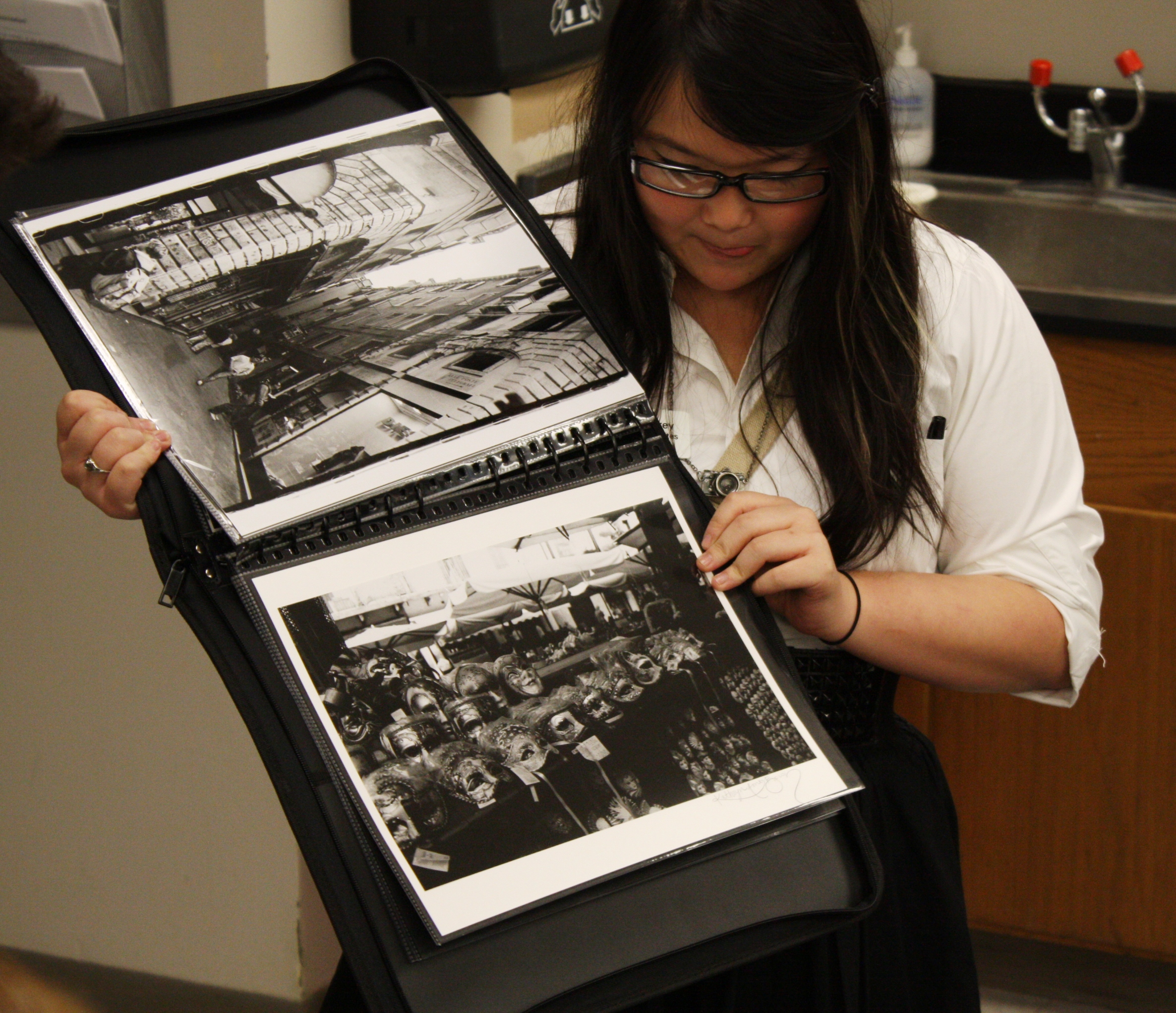
Taylor & Katie (& Katie) rose above the parody mode in order to execute a wholly effective Senior Teach Day in the Wonderful World of Photography. They explicated well their portfolios and solicited suggestions; it was exhausting for some, but not for them. The hard part was… the duty. The hall duty.

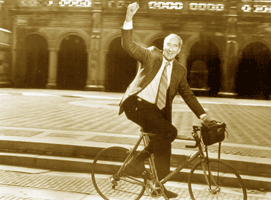
(Photograph by M. W. Crowley)

An Epiphany in a Critique

This is from a biographical profile of Thomas Hoving, former director of the Metropolitan Museum, by John McPhee. Mr. Hoving died last December.
“Princeton’s grading system goes from a high of 1 to a low of 7, and at the end of the senior year a student’s final departmental grade must be better than a 4 or he gets no degree. Hoving’s average at the end of that first term in his sophomore year was 4.46…

“In the second term of his sophomore year, Hoving went to a preceptorial in Art 301, a course he had signed up for that dealt with sculpture from the Renaissance to the present… In preceptorials–or precepts, as they are called–five or six students sit around a table with a professor and exchange ideas on the assigned reading and related material… The professor, Frederick Stohlman, set on the table a graceful piece of metalwork that had several flaring curves and was mounted on a base of polished hardwood. Stohlman asked each student, in turn, to say whatever came into his head about the object.

“Hoving heard the others using terms like ‘crosscurrents of influence,’ ‘definitions of space,’ ‘abstract approaches to form,’ ‘latent vitality,’ and ‘mellifluous harmonies.’ He felt unconvinced, unimpressed, unprepared, utterly nervous, and unsure in the presence of older and more knowledgeable students. A warm flush came over the back of his neck…

“Finally, Stohlman and the others looked at him, waiting for his contribution. ‘I don’t think it is sculpture,’ he blurted out. ‘It’s beautifully tooled, but it’s not sculpture. It’s too mechanical and functional.’

“Stohlman, an authority on Limoges enamels, was an inspiring teacher, and it was he who, some weeks later, first put into Hoving’s hands a work of art of importance–a piece of Roman glass. Now, in the precept, he looked at the other students and warned them of the dangers of getting caught in their own lecture notes, and went on to say that anything should be looke dat first as an object in itself, and not in the light of secondary reading or artistic theory. Finally, he pointed out that the sophomore was right–that the thing on the table was an obstetrical speculum.

“‘From that moment on, I had fantastic confidence,’ Hoving says. ‘I was never again afraid to say, “I don’t believe that.” Three weeks later, if that hadn’t happened, I might have been talking about elegant sfumato and sweeping diagonals, but, fortunately, I have never looked at a work of art through a cloud of catchwords. In the technical language of the history of art, you can draw a cocoon around anything, whether it is a Campbell Soup can or an obstetrical speculum. That’s what those cats in the precept did. A work of art should ba looked at as a humanistic experience, an object on its own. It betrays what it is immediately.’

“Hoving got a 1 in that course. He decided to major in art and archeology… He audited undergraduate art courses he was not enrolled in, and he sat in on graduate seminars… His final departmental grade was a straight 1, and he was graduated from the university with highest honors.”
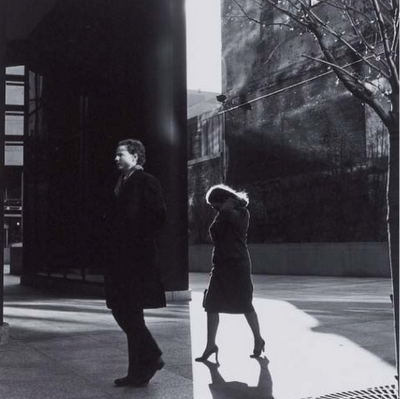
Current Events, in Silhouette

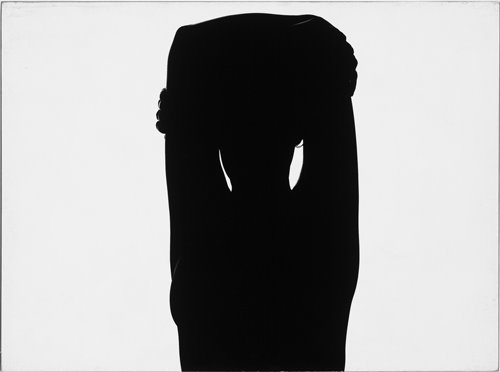
Technically, a silhouette (“little silhou”)* is gotten on film by exposing in a situation that produces a black outline, engaging for its easily readable form rather than for any shadow detail, against a much brighter field. Sunsets (with, oh, I dunno; cacti?) come to mind. We can’t/don’t want to wait for such occurrences because we can invent them and have control over them. Ideally, there should be a difference of five stops from foreground to background, and you’d like the meter to go by the background’s light level, not “over” expose for the sake of recording information in the darker “figure.”

(Harry Callahan, Eleanor, 1948)

For the first semester students’ second project, make silhouettes of our (and your) current events. This can be easily done indoors by a window, without braving the elements; or in a doorway between two rooms; or perhaps in an open garage, and still achieving the necessary four- or five-stop differential without resorting to harsh, amateurish “post-production” versions. The earlier in the process one can intend, the easier (and “better”) it is.

(Ray Metzker)

In class, we brainstormed in order to add to our list of recently shared adversities (H1N1, snowstorms, rampant headlice, earthquake).  Make negatives of silhouettes by February 23, in order to shift one’s next project (street photography) from passive to active, from research and writing to actual street shooting.

* JK

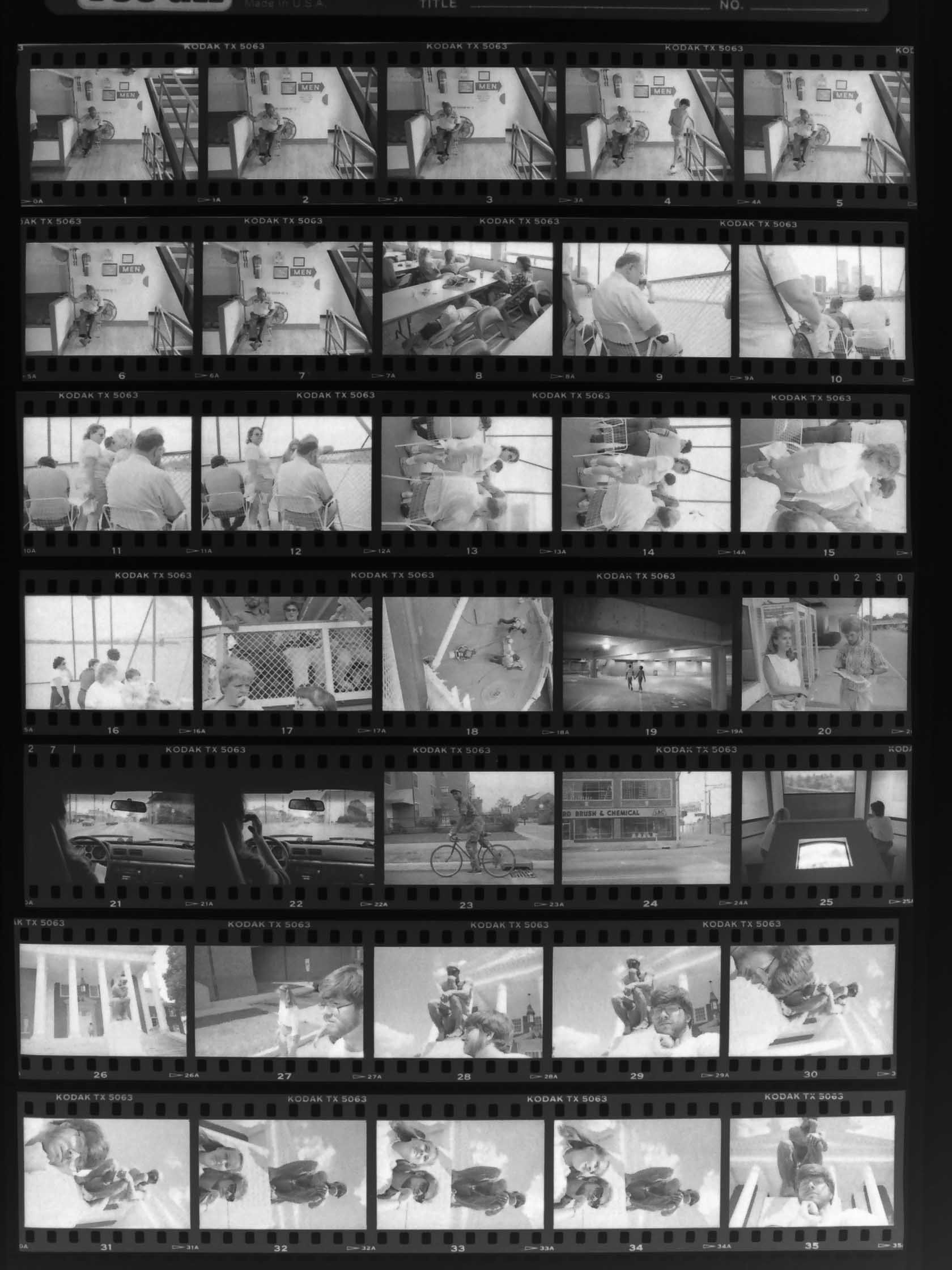
Contact Sheets, Made by You

A contact sheet (aka proof sheet) is indeed a photograph, and needs to be considered seriously as such. It’s information about the negative.

In our darkroom, we recommend making a contact sheet without a filter that would modify contrast. Set the enlarger height to illuminate one of our 9×11″ pieces of glass, with a negative carrier installed. Expose through the glass, through the negatives, onto the paper for nine seconds at f11 (f8 if the developer concentrate calls for it).

Some folks (Mr. Winogrand was one) prefer to make proofs at contrast grade 1, reasoning that they can see better into the highlights and shadows. Consistency is key here.

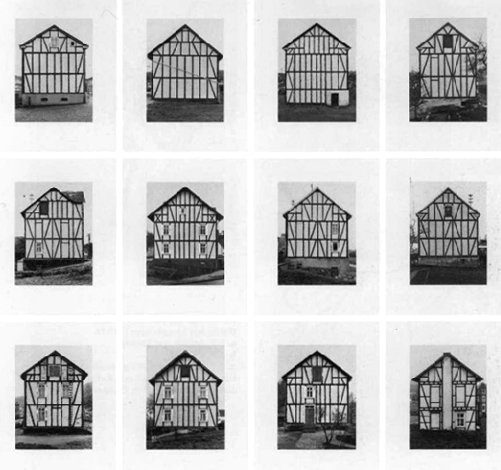
Typologies

We (Photo II-IX) are planning and making typologies. Here are some ways to consider them:

Descriptive: similarities in form, consistent presentation

Explanatory: information, in order to understand

Interpretive: potential implications

Ethically evaluative: references to cultural judgment

Aesthetically evaluative: references to art, the art world; self-referential

Theoretical: explores possibilities

Check this out: http://www.ukessays.com/essays/photography/bernd-hilla-becher.php

I guess I love the colons, eh?

Make your first batch of negatives by 2/23 (which is before the street photography project).

Then, read this: http://caraphillips.wordpress.com/2008/05/12/typology/

  • Calendar

    • December 2025
      S M T W T F S
       123456
      78910111213
      14151617181920
      21222324252627
      28293031  
  • Search